How to Propagate Waxy bonnet orchid?
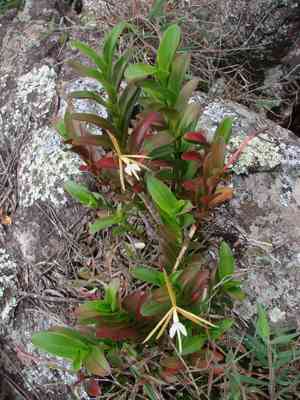
The Waxy bonnet orchid is an intriguing orchid variety recognized for its diminutive, glossy blossoms. Reproduction is most effectively accomplished via separation, making certain each section possesses sufficient roots to initiate fresh development. Employ disinfected implements to avert the spread of pathogens and re-pot the divisions into an appropriate orchid substrate. Maintain the specimens in a moist setting with diffused illumination to encourage vigorous maturation.
Optimal Time for Waxy Bonnet Orchid Propagation
Propagation Type
Division
Propagation Season
Spring,Autumn
Tools Required for Waxy Bonnet Orchid Propagation
Sterile Knife or Scalpel
A clean, sharp blade or scalpel is vital for making precise cuts when separating waxy bonnet orchid. Clean cuts minimize plant tissue damage and reduce the risk of infection or disease during propagation.
Rooting Hormone
Rooting hormone can encourage root development on newly divided sections of waxy bonnet orchid. Applying this hormone to cut ends aids in faster, more robust root growth, crucial for successful propagation.
Sphagnum Moss
Sphagnum moss holds moisture while allowing sufficient airflow, creating an ideal environment for the delicate roots of waxy bonnet orchid to establish. It is especially beneficial for maintaining the high humidity levels needed for successful growth.
Humidity Dome or Propagation Chamber
Utilizing a humidity dome or propagation chamber helps maintain elevated humidity and stable temperatures, which are essential for the successful propagation of waxy bonnet orchid. These conditions promote quicker root development and lessen plant stress.
Spray Bottle
A spray bottle is useful for regularly misting the divided sections of waxy bonnet orchid. This method helps maintain necessary humidity without overwatering, which could lead to rot or fungal issues.
Labeling Supplies
Accurate labeling of divided sections with details like propagation date and unique traits is important for tracking progress and ensuring proper identification of each plant, especially in a larger collection.
Orchid Potting Mix
A specialized orchid potting mix that offers excellent drainage and aeration is crucial for the newly divided sections of waxy bonnet orchid. This mix supports healthy root growth and mimics the natural environment of epiphytic orchids.
How to Propagate Waxy Bonnet Orchid?
Propagation Type
Easy
Post-Propagation Care for Your Waxy Bonnet Orchid
How to Care for Your Newly Propagated Waxy Bonnet Orchid?
After propagation, maintain high humidity and moderate, indirect light. Water sparingly, allowing the medium to dry slightly between waterings, and avoid waterlogging. Regularly mist leaves to boost humidity and check for disease or rot. Fertilize lightly with a balanced orchid fertilizer once new growth appears. With proper care, divisions should establish into healthy new plants.
Common Errors to Avoid When Propagating Waxy Bonnet Orchid
Overwatering
Excessive water can cause root rot, a condition where roots become saturated, depriving the plant of oxygen and vital nutrients.
Improper Lighting
Insufficient or excessive light can stress the plant. Too little light can hinder growth, while too much direct sunlight can scorch leaves.
Incorrect Humidity Levels
Low humidity can cause the plant to dry out and wilt, as waxy bonnet orchid requires a high-humidity environment to thrive.
Using the Wrong Potting Mix
A potting mix that retains too much moisture can encourage fungal growth, while one that drains too quickly can leave roots dry.
Tips For Propagating Waxy Bonnet Orchid
Maintain High Humidity
Keep humidity levels at 70-80% to mimic waxy bonnet orchid's natural habitat, using a humidity tray or a room humidifier if needed.
Ensure Proper Ventilation
Good air circulation helps prevent fungal infections and other diseases, so place waxy bonnet orchid in a well-ventilated area.
Use an Orchid-Specific Potting Mix
Use a mixture designed for epiphytic orchids, such as bark or sphagnum moss, to ensure proper drainage and aeration.
Monitor Watering Schedule
Water consistently but allow the potting mix to become slightly dry between waterings to prevent root rot.
Provide Indirect Light
Place waxy bonnet orchid in bright, indirect light to ensure it receives adequate sunlight without being scorched.



