How to Prune Water lettuce?
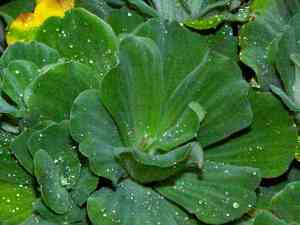
This buoyant aquatic flora, featuring rosette-like, pale green leaves, proliferates quickly in temperate aquatic environments. Trim water lettuce by detaching deceased or excessively dense leaves and offspring plants to ensure adequate light penetration and water circulation. The most suitable period for trimming is throughout its vigorous growth phase in spring, summer, and autumn. Trimming is crucial for managing its expansion and averting the obstruction of water channels. Consistent removal improves the visual appeal of water installations and fosters the well-being of the aquatic ecosystem.
Advantages of Trimming Water Lettuce
Advantages of Trimming Water Lettuce
Trimming water lettuce stimulates its development and assists in maintaining a suitable size, preventing excessive growth in aquatic environments, which could obstruct water flow and light penetration.
Optimal Time for Trimming Water Lettuce
Optimal Time for Trimming Water Lettuce
Trimming or cutting water lettuce is best done in Spring, Summer, and Fall. These periods align with the plant's active growth phase, typically occurring in warmer conditions when water temperatures are favorable for growth. In Spring, trimming helps remove any winter-damaged or decaying parts, promoting new growth. During Summer, consistent trimming manages rapid growth and prevents water lettuce from overcrowding and depleting nutrients and oxygen for aquatic life. In Fall, trimming prepares water lettuce for winter by removing excess plant material, which could decompose and negatively impact water quality during colder months. Pruning during these seasons ensures that water lettuce maintains healthy foliage and does not overshadow other aquatic plants, given its invasive nature if left unchecked. It is crucial to avoid pruning during Winter, as the plant enters a dormant phase, and any significant trimming could stress or kill the plant. By aligning pruning with the plant's growth cycle, gardeners can uphold the health and balance of their aquatic gardens.
Tools Required for Trimming Water Lettuce
Handheld Skimmer
Perfect for removing surplus or dead water lettuce from water surfaces without disrupting the aquatic ecosystem. It's a simple tool, similar to a net, allowing gardeners to easily skim off unwanted plants.
Pond Scissors or Aquatic Plant Scissors
Designed for reaching into water to trim water lettuce without needing to enter the pond. Their long handles provide reach, and sharp blades ensure clean cuts, which is vital to prevent plant damage.
Rubber Gloves
Recommended for protecting hands when working with water lettuce, as prolonged water exposure can harm skin, and handling wet plants can be slippery.
Disposal Bags
Necessary for collecting and containing the trimmed water lettuce material, maintaining a clean environment, and preventing any fragments from re-rooting and spreading.
How to Trim Water Lettuce
Sanitize Tools
Before beginning, ensure all tools are disinfected to prevent disease transmission. Use a solution of 1 part bleach to 9 parts water or rubbing alcohol to clean cutting instruments like scissors or shears.
Identify
Examine water lettuce for any diseased leaves, withered leaves, dead branches, or diseased branches. Look for discoloration, wilting, or growths that indicate illness or health issues.
Remove Diseased Leaves
Carefully cut off diseased and withered leaves at their base where they connect to the main body of water lettuce. Be sure not to harm healthy parts while removing the affected foliage.
Prune Dead Branches
Identify and remove dead branches by cutting them at their point of origin from the main plant. Dead branches are typically brown and brittle and should detach easily.
Dispose Of Debris
After trimming, gather all removed parts and dispose of them away from healthy plants to prevent the potential spread of disease. Do not compost diseased plant material.
Common Trimming Errors with Water Lettuce
Excessive Trimming
Removing too many leaves or rosettes can stress water lettuce and impede its ability to float and photosynthesize effectively.
Underwater Cutting
Attempting to trim water lettuce while submerged can lead to accidental root damage and potential rot.
Tearing Leaves
Pulling or tearing leaves instead of cutting them can create wounds susceptible to disease and pest infestation.
Ignoring Plant Density
Failing to thin out dense clusters can result in poor air circulation and light penetration, affecting the health of water lettuce.
Discarding Healthy Offsets
Unnecessarily removing healthy daughter plants, which could be used for propagation, can limit the expansion of water lettuce.
Neglecting Tools Hygiene
Using unclean tools can introduce pathogens to water lettuce, which thrives in water and can rapidly spread diseases.
General Trimming Advice for Water Lettuce
Sharp Tools
Use clean and sharp scissors or shears to make precise cuts on water lettuce, reducing damage and the risk of disease.
Remove Excess Growth
Regularly thin out overcrowded areas to maintain good light and air flow, encouraging healthier growth.
Prune Dying Foliage
Trim away yellowing or decaying leaves to prevent rot and minimize the chance of disease spread.
Retain Robust Offspring
When thinning, preserve robust daughter plants which can become new, strong individuals of water lettuce.
Surface Pruning
Keep water lettuce above water when pruning to ensure clean cuts and avoid unnecessary stress to the plant.
Post-Pruning Care
After pruning, monitor water lettuce for signs of stress or disease, adjusting maintenance routines to support recovery and growth.



