
Water lettuce (Pistia stratiotes)
Also known as: Water cabbage, Shellflower
Introducing water lettuce (Pistia stratiotes), an invasive aquatic plant originally from Africa, into natural water bodies can lead to several ecological concerns:
1. **Invasive Nature**: Water lettuce can quickly spread in tropical and subtropical waterways, potentially outcompeting and displacing native plant species.
2. **Threat to Aquatic Life**: Its dense mats may block sunlight, disrupting the growth of submerged plants and altering the habitat for fish and other aquatic organisms.
3. **Mosquito Habitat**: The plant can create ideal conditions for mosquito breeding, potentially increasing the risk of mosquito-borne diseases.
4. **Water Flow Disruption**: Thick growth can obstruct water movement, affecting irrigation and navigation, and increasing the risk of flooding.
While it may be suitable for controlled environments like home aquariums, it is crucial to avoid introducing water lettuce into natural bodies of water to prevent these ecological risks.
Attributes of Water lettuce
Images of Water lettuce
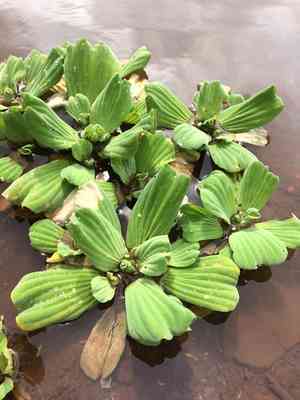

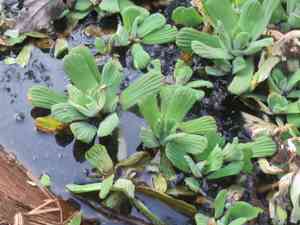

Quickly Identify Water lettuce
Scientific Classification of Water lettuce
Planting and Growing of Water lettuce
 How to Water Water lettuce?
 What Are the Sunlight Requirements for Water lettuce?
 What Is the Ideal Temperature Range for Water lettuce?
 What Soil is Best for Water lettuce?
 How to Fertilize Water lettuce?
 How to Prune Water lettuce?
 How to Propagate Water lettuce plant?
 How to Repot Water lettuce plant?
Toxicity of Water lettuce
Is Water lettuce toxic to humans?
Water lettuce presents a slight toxicity hazard to humans if ingested. The entire plant contains calcium oxalate, which may result in poisoning when consumed. If people inadvertently ingest parts of water lettuce, they can experience notable symptoms, including irritation of the mouth and gastrointestinal system, which may lead to burning sensations, swelling, and challenges in swallowing. Additionally, in certain instances, nausea, vomiting, and diarrhea may arise. It is crucial for individuals to exercise caution and prevent accidental ingestion of water lettuce, since all components of the plant are deemed toxic and could cause discomfort and negative health repercussions.
Is Water lettuce toxic to cat?
Water lettuce possesses slight toxicity for felines. If cats accidentally consume any portion of water lettuce, they risk poisoning because of the calcium oxalate found in all parts of the plant. Exposure to this harmful substance frequently results in symptoms such as oral irritation, pawing at the mouth, excessive salivation, vomiting, and difficulty in swallowing. Upon observing these symptoms, it is crucial to urgently seek veterinary assistance to address these reactions effectively. Prompt treatment at a veterinary facility can help reduce the detrimental effects of the toxin and enhance the cat’s chances of recovery.
Is Water lettuce toxic to dog?
Water lettuce presents a mild toxicity risk for dogs. Canines may inadvertently consume portions of water lettuce, which can lead to the potential for poisoning. The whole plant is toxic, and if ingested, it can induce a range of symptoms in dogs. Such symptoms may encompass vomiting, diarrhea, or more serious manifestations based on the quantity consumed. The adverse effects are attributed to the presence of calcium oxalate in water lettuce. Should you suspect that your dog has eaten water lettuce, it is crucial to obtain prompt veterinary assistance to secure the best outcome for your pet.



