How to Prune Knobcone pine?
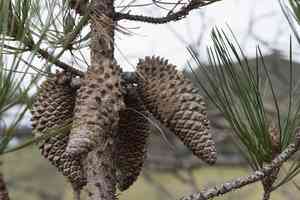
Recognized for its serotinous cones that release seeds in the intense warmth of wildfires, the knobcone pine demonstrates remarkable endurance in its natural environments. Trim knobcone pine by excising dead or ailing limbs to preserve its well-being and structure, and to lessen potential fire dangers. The most suitable period for pruning is in winter, during its inactive phase, which lessens sap leakage and strain. This also primes the knobcone pine to channel its resources into fresh spring development. Trimming can improve air circulation and light access within the foliage, fostering robustness and lowering the likelihood of illness.
What Are the Benefits of Pruning Knobcone Pine?
What Are the Benefits of Pruning Knobcone Pine?
Trimming knobcone pine promotes robust development and helps maintain its desired shape. Strategic cutting can encourage a strong framework and prevent uneven growth.
What Is the Best Time for Pruning Knobcone Pine?
What Is the Best Time for Pruning Knobcone Pine?
The optimal time for pruning knobcone pine is in late winter or early spring, just before the growing season begins. This period aligns with the plant's dormancy, minimizing the risk of pest infestations and disease entering through cuts. Pruning at this time also allows the plant's energy to focus on healing and new growth as temperatures rise. It ensures minimal impact on the current year's development since the plant's resources are not yet actively directed towards foliage or cone production. Additionally, the absence of leaves during this season offers better visibility for pruning, enabling more precise cuts and maintaining the plant's shape and structure.
What Tools Do I Need to Prune Knobcone Pine?
Hand Pruners
These are crucial for making clean cuts on smaller branches of knobcone pine. They offer precision and are easy to handle, which is important for selectively trimming new growth and shaping the tree.
Loppers
For thicker branches of knobcone pine, typically up to 1.5 inches in diameter, loppers provide the necessary leverage and cutting power without causing undue strain to the user.
Pruning Saw
For the largest branches of knobcone pine, those exceeding 1.5 inches in diameter, a pruning saw is the preferred tool. It allows for smooth cuts on thick branches and is ideal for preventing damage to the tree.
How to Prune Knobcone Pine
Clean Tools
Before you begin, sterilize your pruning tools to prevent the spread of disease. Clean them with a solution of one part bleach to nine parts water or use alcohol wipes.
Inspect
Examine knobcone pine closely, identifying any dead or diseased branches. Look for branches that are discolored, show fungal growth, or are brittle and break easily.
Cut Dead Branches
Using your sanitized tools, carefully remove dead branches. Make cuts on dead branches just outside the branch collar at a slight downward angle to avoid damaging healthy tissue and encourage proper healing.
Cut Diseased Branches
Next, remove any diseased branches, ensuring you cut well into the healthy wood to completely eliminate any infected material. Dispose of these branches properly to prevent disease spread.
Clean Up
After pruning, clear away any fallen debris from around the base of knobcone pine to prevent potential disease or pest issues. Sanitize your tools again after finishing.
Common Pruning Mistakes with Knobcone Pine
Over-Pruning
Removing too many branches from knobcone pine can lead to weakened growth and reduced health. Knobcone pine do not require heavy pruning and are resilient with their natural shape.
Improper Cut Location
Cutting too close to the trunk or leaving too long of a stub on knobcone pine's branches can hinder proper healing and may attract pests and disease.
Pruning Healthy Growth
Cutting back knobcone pine's branches that are healthy and contribute to its form detracts from its natural beauty and can unintentionally diminish the plant's vigor.
Ignoring Diseased Limbs
Failing to remove dead, diseased, or damaged limbs from knobcone pine can lead to further decay and infestations, which threatens the overall health of the plant.
Common Pruning Tips for Knobcone Pine
Correct Cut Angle
Make cuts at a 45 to 60-degree angle about 1/4 inch above a bud facing the outside of the plant to encourage proper water runoff and healthy new growth in knobcone pine.
Clean Pruning Tools
Always use sterilized pruning tools to prevent the spread of disease among knobcone pine specimens and other plants in the garden.
Prune Damaged Limbs
Regularly inspect and promptly remove damaged, diseased, or dead branches from knobcone pine to maintain its health and appearance.
Maintain Natural Form
Prune knobcone pine by following its natural shape and growth habit, making selective cuts to enhance the plant's structure without altering its inherent form.
Thin Crowded Areas
Thin out crowded areas to improve air circulation and light penetration for knobcone pine, but do so sparingly and with consideration to the overall shape.



