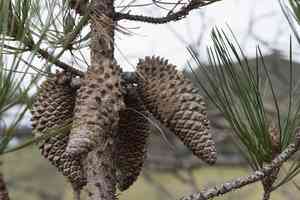
Knobcone pine (Pinus attenuata)
Also known as: Knobcone Pine
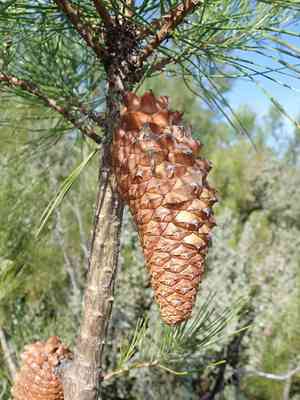
Knobcone pine (Pinus attenuata), native to the western United States, hosts the dwarf mistletoe plant. It releases seeds from its cones only when exposed to temperatures above 350 degrees Fahrenheit, typically during intense forest fires.
In This Article
Attributes of Knobcone pine
Lifespan
Perennial
Plant Type
Tree
Plant Height
8 m to 24 m
Spread
15-30 feet (4.5-9 meters)
Leaf Color
Green Gray
Flower Size
8 cm to 16 cm
Flower Color
Yellow Green Brown
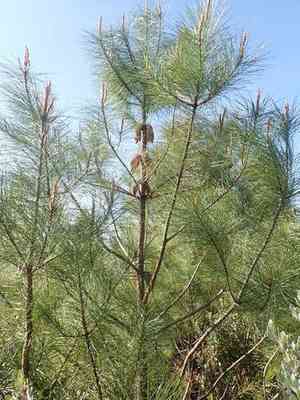
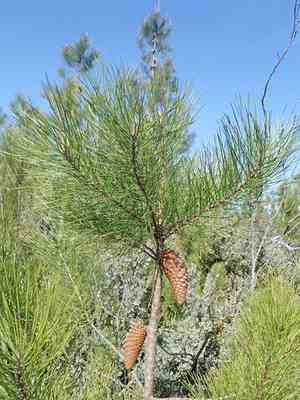
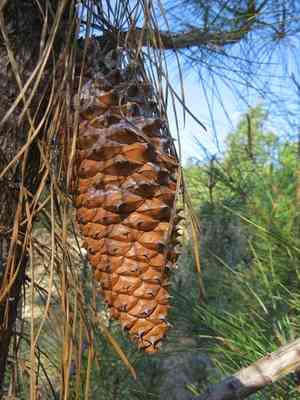
Images of Knobcone pine
Quickly Identify Knobcone pine
1
Identifying Pinus attenuata involves looking for distinctive knob-like cones that remain tightly closed until exposed to heat. Leaves (needles) are typically in bundles of three, and the bark is thin and gray.
Scientific Classification of Knobcone pine
Phylum
Vascular plants
Class
Conifers
Order
Pinales
Family
Pine
Genus
Pines
Species
Knobcone pine
Planting and Growing of Knobcone pine
Care Difficulty
Easy
Watering Schedule
Every 2 days
Sunlight Requirements
Full sun
Sunshine Duration
4-8 hours
Ideal Temperature
50-70℉
Soil Type
Potting Mix, Peat Mix
Soil pH
5.5-7.5
Fertilizer Type
Balanced
Pruning Season
Spring, Summer
Pruning Area
Branches, Leaves
Pruning Frequency
2 times a year
Repotting Season
Spring
Pot Type
Plastic, Ceramic
 How to Water Knobcone pine?
Pinus attenuata requires careful watering that mimics its natural habitat conditions. It's best to soak the soil thoroughly until water runs out of drainage holes, ensuring deep root hydration without leaving the soil soaked for too long.
What are the symptoms of an underwatered Knobcone pine?
›
What should I do if my Knobcone pine is not getting enough water?
›
What are the symptoms of an overwatered Knobcone pine?
›
How to save an overwatered Knobcone pine?
›
 What Are the Sunlight Requirements for Knobcone pine?
Pinus attenuata should be grown in full sun, with 6 to 8 hours of sunlight daily. This encourages strong growth and resilience, enhancing its natural beauty and strength.
More About Sunlight Requirements Techniques→
What is the best lighting for Pinus attenuata?
›
How can I achieve this ideal lighting?
›
What benefits does ideal lighting provide?
›
 What Is the Ideal Temperature Range for Knobcone pine?
The ideal temperature range for growing Pinus attenuata is between 50°F and 70°F. This range allows the plant to maintain optimum growth and photosynthesis rates, providing suitable warmth without causing heat stress. Maintaining this temperature range ensures that the plant's metabolic processes run efficiently and results in healthy foliage and structure.
 What Soil is Best for Knobcone pine?
Pinus attenuata thrives in well-draining sandy or loamy soil that prevents waterlogging. Efficient drainage prevents root rot and other diseases, ensuring the plant's longevity and health in its native environment. The plant requires soil with moderate fertility. Adequate nutrient levels support healthy pine needle growth and cone production, providing the necessary sustenance for optimal growth without causing excessive foliage density. Aerated soil promotes root development and nutrient uptake, aiding the Pinus attenuata in expanding its root system efficiently. This ensures stability and enhances the tree's resistance to wind and environmental stressors.
 How to Fertilize Knobcone pine?
For Pinus attenuata, the fertilization amount must be carefully calculated. Typically, for a well-established tree, use about 200 grams of slow-release granular fertilizer per application. Adjust based on soil tests and tree vigor to avoid nutrient imbalances.
 How to Prune Knobcone pine?
When pruning Pinus attenuata, start by removing any dead or diseased branches to promote healthy growth. Use sharp, clean tools to make clean cuts close to the trunk. This prevents tearing and reduces the risk of infection. After clearing out old growth, thin out crowded areas to allow light and air to penetrate the canopy. This encourages a robust and healthy tree. To shape your Pinus attenuata, begin by identifying and trimming branches that disrupt the tree's natural form. Focus on maintaining a balanced structure by trimming longer branches to match the surrounding foliage. Always trim back to a lateral branch or a bud to encourage proper regrowth. Avoid over-pruning, as this can stress the tree and diminish its characteristic shape.
More About Pruning Techniques→
 How to Propagate Knobcone pine plant?
1
Gather mature cones from Pinus attenuata, ensuring they are fully ripened. Extract seeds carefully, remove any debris, and store them in a cool, dry place until stratification begins. Preparing seeds properly increases the chances of successful germination.
2
Place seeds in a container with a moist substrate, and keep it cold for 4-6 weeks to simulate winter conditions. This cold treatment is crucial to break seed dormancy, ensuring a higher germination rate.
3
After stratification, sow seeds in pots filled with a well-draining soil mix. Cover lightly with soil, and water gently. Adequate sowing depth and consistent moisture are vital for seedling development.
 How to Repot Knobcone pine plant?
1
Pinus attenuata shows its need for repotting when roots protrude through drainage holes or when growth is stunted. It's best to repot in early spring or midway through autumn when the plant is not actively growing, ensuring minimal stress.
2
Select a deep pot with excellent drainage, ensuring it's 2-3 inches wider than the old one. A clay pot is beneficial, allowing airflow to the roots and maintaining a stable temperature, which enhances overall plant health.
3
Opt for a well-drained acidic mix, such as a blend of sand, pine bark, and peat. This soil mimics the tree's natural habitat, promoting proper drainage and air circulation, essential for preventing root rot.



