How to Prune Yellow butterwort?
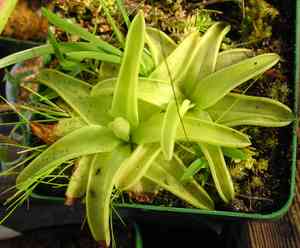
Distinguished by its adhesive foliage that ensnares pests, yellow butterwort flourishes with infrequent trimming. Aim for early spring or summer to snip off deceased or discolored leaves, thereby boosting development and well-being. This focused pruning averts deterioration and fosters air movement, which is vital for yellow butterwortâs vigor. Extensive cutting back is unnecessary; concentrate instead on eliminating faded blooms or impaired greenery.
What Are the Advantages of Trimming Yellow Butterwort?
What Are the Advantages of Trimming Yellow Butterwort?
Trimming yellow butterwort promotes robust development and helps maintain its compact form, crucial for its overall vitality and visual appeal in garden environments.
When Is the Optimal Time for Trimming Yellow Butterwort?
When Is the Optimal Time for Trimming Yellow Butterwort?
Trimming or cutting yellow butterwort during Spring and Summer coincides with its active growth phase, when the plant is vigorously developing and can best recover from pruning stress. Spring trimming helps stimulate new growth and enhances the overall health and look of yellow butterwort. Additionally, pruning before the blooming season allows the plant to direct its energy towards producing abundant flowers. Summer trimming, after flowering, can be beneficial for removing spent blooms and any dead or excess tissue, ensuring the plant focuses its resources on developing strong, healthy foliage and preparing for subsequent growth cycles.
What Tools Are Necessary to Trim Yellow Butterwort?
Fine-tipped scissors or small snips
Given the delicate size and structure of yellow butterwort, micro-tip snips or fine-tipped scissors are ideal. These tools enable precise cuts without harming adjacent leaves or fragile stems.
Tweezers
Tweezers are useful for removing dead or dying leaves from yellow butterwort without disturbing the surrounding soil or plant parts. This precision helps maintain the plant's health and appearance.
How to Trim Yellow Butterwort
Identify
Locate and evaluate the diseased or withered leaves on yellow butterwort, along with any visibly unhealthy or damaged stems. Careful observation is required to distinguish healthy, living tissue from the compromised sections that need removal.
Sanitize
Disinfect your trimming tools before starting the cutting process. Use a bleach or alcohol solution to sterilize the shears, preventing the spread of any pathogens to healthy parts of yellow butterwort.
Trim leaves
Using your sanitized shears, gently cut off the diseased and withered leaves near the base of yellow butterwort, ensuring not to harm the healthy parts. Make clean cuts to avoid jagged edges which could be more prone to infection.
Trim stems
If entire stems are diseased, prune them back to a healthy section or all the way down at the base if the whole stem is affected. Ensure cuts are smooth and clean to promote quicker healing.
Dispose
Properly discard all removed material by sealing it in a bag and disposing of it away from the garden area to prevent any disease from spreading. Do not compost diseased plant parts, as this can contaminate the compost.
Common Trimming Errors with Yellow Butterwort
Over-trimming
Removing too much of yellow butterwort's foliage at once can significantly stress the plant, leading to poor growth and reduced flowering. As a carnivorous plant, yellow butterwort relies heavily on its leaves for nutrient capture and energy production through photosynthesis.
Improper technique
Using dull or dirty tools to trim yellow butterwort can damage the delicate leaves and introduce diseases. Itâs crucial to use sharp, clean shears or scissors to ensure clean cuts and prevent potential infections.
Trimming healthy leaves
Removing healthy, active leaves during the trimming process can hinder yellow butterwort's ability to thrive. It's important to focus only on dead or dying leaves, as well as any that show signs of decay or disease.
General Trimming Advice for Yellow Butterwort
Selective trimming
Focus on gently removing only the yellowed or dead leaves from yellow butterwort, which will not only improve the plantâs appearance but also allow it to allocate resources more effectively to healthy leaves.
Clean equipment
Before and after trimming yellow butterwort, sterilize the cutting tools with alcohol or a household disinfectant to minimize the risk of spreading pathogens.
Regular inspection
Regularly inspect yellow butterwort for dead or damaged leaves to maintain its health and aesthetic appeal. This ongoing attention prevents the need for extensive trimming, which could stress the plant.



