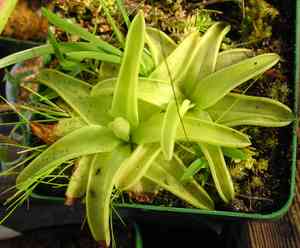
Yellow butterwort (Pinguicula lutea)
Also known as: Yellow Butterwort
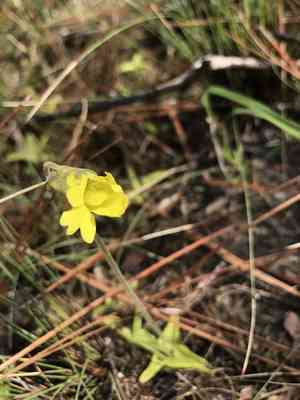
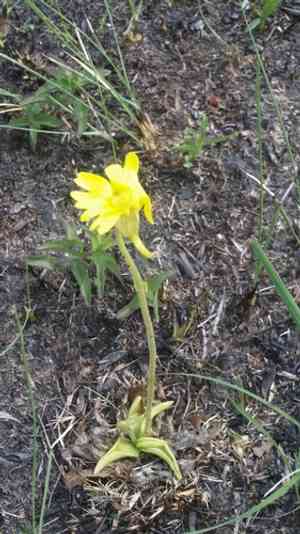
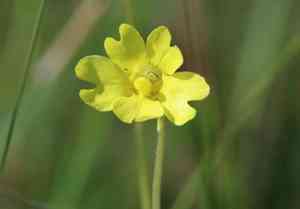
Pinguicula lutea flowers are commonly bright yellow or straw-yellow, with white being quite rare. This insectivorous plant captures small insects using glandular secretions on the surface of its basal rosette leaves.
In This Article
Attributes of Yellow butterwort
Lifespan
Perennial
Plant Type
Herb
Plant Height
30 cm to 91 cm
Spread
Up to 15 cm
Leaf Color
Bright green
Flower Size
2-3 cm
Flower Color
Yellow
Images of Yellow butterwort
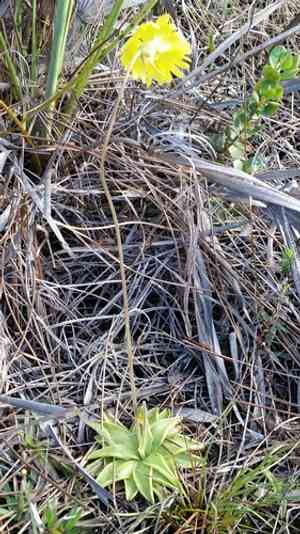
Quickly Identify Yellow butterwort
1
Spoon-shaped leaves with sticky mucilage to trap insects.
2
Bright yellow flowers with spurred shape atop slender stalks.
3
Vibrant yellow flowers with notched petals and a distinct spur.
4
Smooth, spherical fruit capsules with tiny black seeds inside.
5
Slender, upright stem covered in fine hairs, reaching 6-8 inches in height.
Scientific Classification of Yellow butterwort
Phylum
Vascular plants
Class
Dicotyledons
Order
Lamiales
Family
Bladderworts
Genus
Butterworts
Species
Yellow butterwort
Planting and Growing of Yellow butterwort
Care Difficulty
Hard
Watering Schedule
Every 4 days
Sunlight Requirements
Partial sun
Sunshine Duration
6-10 hours
Ideal Temperature
65-75℉
Soil Type
Potting Mix, Peat Mix
Soil pH
5.5-7
Fertilizer Type
Balanced
Pruning Season
Spring, Summer
Pruning Area
Branches, Leaves
Pruning Frequency
2 times a year
Repotting Season
Spring
Pot Type
Plastic, Ceramic
 How to Water Yellow butterwort?
Pinguicula lutea prefers consistent moisture, but it should not be waterlogged. Typical watering involves about 150 milliliters each time, enough to keep the soil slightly damp without leaving standing water.
What are the symptoms of an underwatered Yellow butterwort?
›
What should I do if my Yellow butterwort is not getting enough water?
›
What are the symptoms of an overwatered Yellow butterwort?
›
How to save an overwatered Yellow butterwort?
›
 What Are the Sunlight Requirements for Yellow butterwort?
Partial sun with 2 to 4 hours of indirect light daily is ideal, promoting health and vibrant color in Pinguicula lutea. This balance ensures photosynthesis without compromising natural moisture levels.
What type of light does Pinguicula lutea prefer?
›
How can I achieve ideal lighting for Pinguicula lutea?
›
What are the benefits of ideal lighting for Pinguicula lutea?
›
 What Is the Ideal Temperature Range for Yellow butterwort?
Pinguicula lutea, commonly known as the Yellow Butterwort, thrives best when grown in temperatures ranging from 65 to 75°F. This range provides the plant with the optimal conditions for growth, ensuring effective photosynthesis and proper metabolic activities. Maintaining these temperatures supports the plant's natural habitat conditions, promoting robust growth and vitality.
 What Soil is Best for Yellow butterwort?
Pinguicula lutea thrives in well-draining soils, which prevent water from pooling around the roots. This helps avoid root rot, a common issue with plants that prefer moist but not waterlogged conditions. This plant is adapted to grow in nutrient-poor soils, where competition is minimal. Such conditions allow it to maximize its carnivorous adaptations for nutrient acquisition from insect prey. Maintaining a moist but not soggy soil texture is crucial. The plant enjoys consistent moisture levels that still allow for some air circulation around the roots, encouraging optimal health.
 How to Fertilize Yellow butterwort?
The nutrient needs of Pinguicula lutea are low. When feeding liquid fertilizer, dilute it to 1/4 of the recommended strength to avoid overwhelming this delicate carnivorous plant.
 How to Prune Yellow butterwort?
Pinguicula lutea doesn't require extensive pruning. Avoid cutting too much, as this can stress the plant and hinder its growth. Gentle and minimal intervention is often the best approach. This carnivorous plant is most actively growing in spring and summer. Focus your pruning efforts during these times for optimal results. Pruning during dormancy can disrupt the plant's natural cycle.
More About Pruning Techniques→
 How to Propagate Yellow butterwort plant?
1
Start by selecting a suitable soil mix, such as a combination of peat moss and perlite. This mix provides a good balance of moisture retention and drainage, critical for Pinguicula lutea seeds.
2
Scatter the seeds evenly over the prepared seed tray. Do not cover them with soil, as Pinguicula lutea seeds require light to germinate. Gently press them into the soil surface.
3
Cover the seed tray with a plastic dome or a clear plastic bag to maintain a humid environment. Ensure proper ventilation to prevent fungal growth, while retaining enough moisture for seed germination.
 How to Repot Yellow butterwort plant?
1
Look for signals such as overcrowded roots peeking through drainage holes or stunted growth. This means the plant has outgrown its current pot and needs a larger space to flourish. Spring or early summer are ideal since the plant is in an active growth phase, ensuring better acclimatization to the new pot.
2
Select a pot that is about 1-2 inches larger in diameter than the current one, with ample drainage holes. The bigger pot size accommodates growth, while drainage holes prevent root rot by ensuring excess water drains away, making your Pinguicula lutea more resilient.
3
Opt for a mix that closely resembles its native boggy habitat; a combination of peat and sand or perlite is ideal. This acidic, well-draining mix helps in preventing water retention and root rot, while also supplying the necessary nutrients and aeration.



