The Yellow butterwort Plant Advantage: Maximizing Home and Office Appeal and Wellness
1
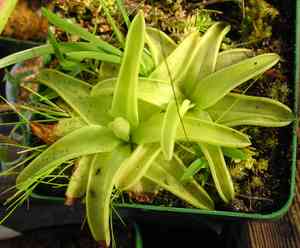
Pinguicula lutea, a carnivorous plant, is recognized for its distinct capacity to capture and consume insects.
2
It offers inherent pest management, lessening the necessity for synthetic pesticides.
3
Its bright yellow blooms enhance the visual appeal of any outdoor space.
The Significance of Yellow Butterwort in Natural Pest Management
How Does Yellow Butterwort Capture Insects?
Yellow Butterwort's distinct biological features make it an effective natural pest control agent. This plant possesses specialized leaves that secrete a sticky, adhesive-like substance. When an unsuspecting insect lands on its surface, it becomes ensnared. The plant then releases digestive enzymes to break down the insect, absorbing its nutrients. This remarkable mechanism aids in organically managing pest populations in your garden.
Which Insects Can Yellow Butterwort Help Control?
Yellow Butterwort is particularly effective against small insects such as flies, gnats, and mosquitoes. These pests are naturally drawn to the plant's adhesive leaves, making Yellow Butterwort a practical and environmentally friendly alternative to chemical pesticides. By incorporating Yellow Butterwort into your garden, you can significantly reduce the numbers of these bothersome insects.
Yellow Butterwort's Aesthetic and Ecological Contributions
How Does Yellow Butterwort Enhance Garden Beauty?
Yellow Butterwort showcases vibrant yellow blossoms that stand out in any garden setting. The plant's striking colors and unique structure make it a conversation starter. Its presence adds a layer of diversity to your garden, attracting not only insects but also garden enthusiasts who admire its beauty and utility.
What is the Ecological Impact of Cultivating Yellow Butterwort?
Beyond its visual appeal, Yellow Butterwort contributes to ecological equilibrium. By trapping and digesting insects, it lessens the reliance on artificial pesticides, which can be detrimental to other wildlife and plants. Furthermore, growing Yellow Butterwort helps sustain the local food web, supporting a diverse and balanced ecosystem.
Practical Advice for Growing Yellow Butterwort in Your Garden
What Are the Optimal Growing Conditions for Yellow Butterwort?
Yellow Butterwort thrives in sunny, humid environments with well-drained soil. It prefers acidic substrates, often found in marshy areas. To replicate these conditions in your garden, consider using a blend of sand and peat moss and ensure the soil remains consistently moist yet well-drained. Full to partial sunlight is vital for the plant's photosynthesis and overall health.
How Much Upkeep Does Yellow Butterwort Require?
One of the appealing aspects of Yellow Butterwort is its relatively low maintenance requirements. Once established, it needs minimal care. Regular watering to maintain soil moisture and occasional trimming of dead leaves are typically sufficient. Seasonal checks for pests or diseases will also help maintain its health, but these occurrences are rare due to the plant's self-sustaining insect control capabilities.
Can Yellow Butterwort Be Cultivated Indoors?
What Are the Difficulties of Growing Yellow Butterwort Indoors?
While Yellow Butterwort is primarily an outdoor plant, it can be grown indoors with some effort. The main challenges include providing adequate humidity and sunlight. Indoor environments often lack the natural conditions Yellow Butterwort thrives in, but using grow lights and humidifiers can alleviate this. Moreover, placing the plant near a sunny window can help mimic its natural habitat.
What Advantages Does Indoor Cultivation Offer?
Growing Yellow Butterwort indoors can provide unique benefits. It can serve as an intriguing houseplant, adding a green touch to your interior decor. Additionally, indoor cultivation offers the same pest control advantages. Placed near windows, it can attract and trap flies and other indoor pests, keeping your living spaces more comfortable and pest-free.



