How to Prune Sakhalin spruce?
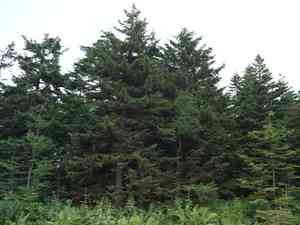
Picea glehnii, recognized for its robust characteristics and conical form, thrives with trimming performed in the initial part of spring or the latter portion of winter. Begin by excising any lifeless, injured, or infected limbs, subsequently reducing congested sections to improve air circulation and light exposure. Refrain from severing into mature wood, as regeneration might not occur. This practice fosters more abundant foliage and elevates the plant's general well-being and structure. Consistent upkeep guarantees resistance to infestations and ailments. Consult botanical resources for ideal techniques.
What Are the Benefits of Pruning Sakhalin Spruce?
What Are the Benefits of Pruning Sakhalin Spruce?
Trimming sakhalin spruce promotes robust development and maintains its form. It encourages healthier limbs, which better resist pests and diseases, ensuring the plant's longevity and visual appeal.
What Is the Best Time for Pruning Sakhalin Spruce?
What Is the Best Time for Pruning Sakhalin Spruce?
Trimming sakhalin spruce in early spring or late winter is considered ideal as it coincides with the plant's dormant phase. Pruning during dormancy minimizes stress on sakhalin spruce and lowers the chance of disease and pest infestations. Furthermore, performing pruning before the start of the growing season helps direct new growth and maintain the plant's structural integrity. Pruning at these times also allows for clearer visibility of the plant's framework due to minimal foliage.
What Tools Do I Need to Prune Sakhalin Spruce?
Bypass Pruners
Perfect for making clean cuts on live wood without crushing stems, crucial for preserving the tree's health.
Lopping Shears
Essential for thicker branches too large for bypass pruners but requiring precise cuts to prevent damage.
Pruning Saw
Effective for cutting larger branches and limbs, ensuring smooth cuts that help prevent disease and decay.
Pole Pruner
Useful for reaching higher branches without needing a ladder, which is vital given the typical height of sakhalin spruce.
Hedge Shears
Good for shaping and maintaining the overall form, especially when sakhalin spruce is used in landscapes where aesthetic shaping is important.
How to Prune Sakhalin Spruce
Inspect
Start by thoroughly examining sakhalin spruce for any indications of dead or diseased branches. This initial check helps pinpoint specific areas needing attention.
Clean Tools
Ensure pruning tools are sterilized to prevent disease transmission. Wipe blades with rubbing alcohol or a bleach solution before beginning.
Remove Dead
Using sharp, clean pruners, carefully cut away dead branches. Make sure to cut back to healthy wood, just above a bud or branch junction.
Remove Diseased
Cut off diseased branches, slicing at least 6 to 12 inches below the visible infection to ensure complete removal. Dispose of the diseased material away from the garden to prevent contamination.
Shape
Finish by lightly shaping sakhalin spruce if necessary, maintaining its natural form. Avoid heavy pruning, especially if sakhalin spruce is older, to promote healthy recovery and growth.
Common Pruning Mistakes with Sakhalin Spruce
Over-pruning
Removing too many branches can stress sakhalin spruce, leading to poor health and reduced growth. This error often stems from the belief that more pruning equals better shape and health.
Improper Cuts
Making cuts too close to the trunk or leaving stubs can both hinder the tree's ability to heal and invite disease or pest infestations.
Incorrect Tools
Using dull or unsuitable tools can cause jagged cuts, damaging the plant. Always ensure your tools are sharp and appropriate for the branch size you are pruning.
Ignoring Structural Problems
Failing to address structural issues such as crossing branches or growths that detract from the tree’s natural form can lead to long-term problems.
Pruning During Bad Weather
Weather conditions such as strong winds or wet days make pruning hazardous and can increase the risks of disease.
Common Pruning Tips for Sakhalin Spruce
Establish Goals
Define your objectives before starting – whether for aesthetic reasons, structural health, or disease control. Be clear on what you aim to achieve.
Use Sharp Tools
Ensure your tools are disinfected and sharp to make clean, precise cuts that facilitate quick healing and reduce infection risk.
Make Proper Cuts
Cut at a slight angle just above a bud or branch junction to allow water to run off, preventing rot and encouraging healthy new growth.
Focus on Dead Wood
Remove any dead, diseased, or damaged wood first to help improve air circulation and reduce the risk of pests and disease.
Thinning Out
Gently thin out crowded branches to enhance air circulation and light penetration. This promotes a healthier, more robust tree.
Consider Tree Shape
Aim to maintain the conical shape of sakhalin spruce by ensuring the lower branches are wider than the upper branches. This allows for better sunlight distribution.



