How to Propagate Sakhalin spruce?
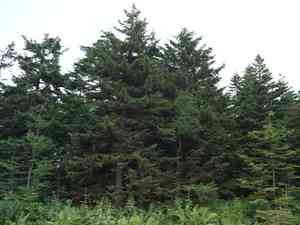
Picea glehnii is a coniferous variety recognized for its hardiness and versatility. For propagation, utilize cuttings sourced from robust, established specimens. Choose semi-lignified cuttings and apply rooting stimulant to their bases to foster root formation. Confirm that the cuttings are situated in porous, acidic substrate. Store the cuttings in a cool, dimly lit location and sustain uniform dampness without oversaturation, encouraging vigorous root expansion. Regular observation will guarantee effective propagation.
When Is the Optimal Time to Propagate Sakhalin Spruce?
Propagation Type
Cutting
Propagation Season
Fall,Winter
What Implements Are Utilized in Sakhalin Spruce Propagation?
Pruning Shears
Employed for making clean cuts of stem sections from sakhalin spruce for propagation. Minimizes plant damage, crucial for the well-being of both the parent plant and the cuttings.
Rooting Hormone
Applied to the severed end of sakhalin spruce cuttings to encourage quicker and stronger root formation. Essential for boosting the success rate of rooting cuttings.
Propagating Tray and Dome
Offers a regulated environment with appropriate humidity and temperature to support the rooting of sakhalin spruce cuttings. The dome helps maintain moisture levels, and the tray organizes individual cuttings.
Sterilized Potting Medium
A blend of perlite and peat moss or sterilized potting soil that supports root growth while reducing the risk of fungal infections for sakhalin spruce.
Heat Mat
Positioned beneath the propagating tray to provide consistent warmth from below, which accelerates root development in sakhalin spruce cuttings.
Misting Bottle
Used to keep the humidity elevated around sakhalin spruce cuttings without excessive watering. Fine misting ensures leaves stay hydrated as roots develop.
Labeling Stakes
Assists in tracking various batches of sakhalin spruce cuttings, ensuring proper management and identification throughout the rooting process.
Scalpel or Sharp Knife
Utilized for precise cutting of sakhalin spruce stems, ensuring clean cuts necessary to prevent damage and offer a larger surface area for rooting.
How to Propagate Sakhalin Spruce?
Propagation Type
Moderately Difficult
How to Care for Your Newly Propagated Sakhalin Spruce?
How to Care for Your Newly Propagated Sakhalin Spruce?
Once roots have successfully developed, transfer the young sakhalin spruce plants into individual containers with well-draining soil. Gradually introduce them to more direct sunlight. Maintain consistent soil moisture, but prevent waterlogging. Apply mulch around the base to retain moisture and suppress weeds. Shield the young plants from harsh weather and monitor for pests or diseases. As sakhalin spruce matures, ensure ample space for root and canopy expansion.
Common Errors to Avoid When Propagating Sakhalin Spruce
Improper Use of Seeds
Utilizing immature or poorly stored seeds can result in low germination rates.
Overwatering
Excessive irrigation can lead to seed rot and poor root development, negatively impacting plant health.
Incorrect Soil Mix
Employing a soil mix that retains too much moisture or lacks adequate drainage can hinder seedling growth.
Inadequate Light
Insufficient light exposure can produce weak and leggy seedlings that lack vigor.
Neglecting Stratification
Failing to cold-stratify the seeds can lead to poor or uneven germination.
Advice For Propagating Sakhalin Spruce
Use Mature Seeds
Ensure seeds are mature and correctly stored to maintain viability and enhance germination rates.
Water Sparingly
Lightly water seeds and ensure the soil remains moist but not saturated to prevent root diseases.
Choose the Right Soil
Utilize a well-draining soil mix to provide a balanced environment conducive to root growth.
Provide Adequate Light
Place seedlings in a brightly lit area or use grow lights to ensure they receive sufficient light for healthy development.
Cold Stratification
Subject seeds to a period of cold stratification by placing them in a refrigerator for several weeks before planting to mimic natural winter conditions and enhance germination.



