How to Prune Yellow mountain-heath?
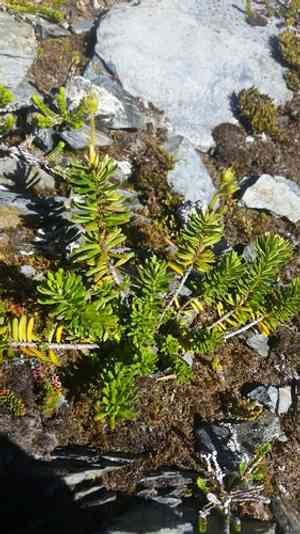
Yellow mountain-heath, a compact shrub recognized for its bright yellow blossoms, thrives with judicious trimming to preserve its form and vitality. The ideal period to trim yellow mountain-heath is in early spring, precisely when fresh shoots emerge. Concentrate on excising deceased or compromised branches and performing minor cuts to encourage air movement. Trimming boosts flowering and resilience against ailments. Always employ sanitized and keen implements to avert contamination and guarantee precise incisions, fostering the plant's robust regeneration.
What Are the Benefits of Pruning Yellow Mountain-heath?
What Are the Benefits of Pruning Yellow Mountain-heath?
Pruning Yellow mountain-heath encourages robust development and maintains its form. This practice helps manage the plant's size, improves its look, and prevents illness. Regular trimming fosters healthier, stronger foliage.
What Is the Best Time for Pruning Yellow Mountain-heath?
What Is the Best Time for Pruning Yellow Mountain-heath?
The optimal time to prune Yellow mountain-heath is in early spring, just before new growth begins. This timing allows the plant to recover quickly as it enters its active growth phase, aiding healing and promoting vigorous new shoots. Additionally, pruning at this point ensures winter damage is removed, and the plant's shape is preserved before flowering.
What Tools Do I Need to Prune Yellow Mountain-heath?
Bypass Pruners
Perfect for clean cuts on living stems and small branches. Yellow mountain-heath typically has slender, delicate branches, making bypass pruners an excellent choice.
Hand Shears
Useful for trimming and shaping small, detailed areas. Given Yellow mountain-heath's compact growth, hand shears offer precision and control.
Lopping Shears
Necessary for removing thicker, more mature stems. Yellow mountain-heath can develop sturdy branches that require the added leverage provided by lopping shears.
Pruning Saw
Required for cutting larger, woody branches. While not often needed for Yellow mountain-heath, a pruning saw can be useful for maintaining older, well-established specimens.
Disinfectant Wipes
Essential for cleaning tools between cuts to prevent disease transmission. Yellow mountain-heath can be vulnerable to infections, making tool sanitation important.
How to Prune Yellow Mountain-heath
Inspect
Carefully check Yellow mountain-heath for any indications of diseased leaves, withered foliage, dead branches, or infected branches.
Sterilize
Ensure your pruning implements are clean and sterilized to prevent disease spread. Use a solution of one part bleach to ten parts water for this purpose.
Remove diseased leaves
Using sterilized scissors or pruners, carefully remove any diseased leaves from Yellow mountain-heath, cutting close to the base of the leaf stem to avoid leaving stubs.
Eliminate withered leaves
Trim away any withered leaves by cutting them off at their base. Make sure to remove the entire leaf to prevent potential fungal issues.
Cut dead diseased branches
Prune back dead and diseased branches to healthy wood. Make cuts just above a node or healthy bud to promote proper healing and new growth.
Common Pruning Mistakes with Yellow Mountain-heath
Over-pruning
Inexperienced gardeners often remove too much foliage, which can stress Yellow mountain-heath and hinder its growth and flowering potential.
Cutting too closely
Pruning too near the bud or main stem can harm plant tissues, making Yellow mountain-heath susceptible to diseases.
Poor tool maintenance
Using dull or dirty tools can result in jagged cuts and potential infections, which impede Yellow mountain-heath's healthy development.
Pruning at the wrong angle
Incorrect cutting angles can prevent proper healing and lead to water retention issues, increasing the risk of rot in Yellow mountain-heath.
Common Pruning Tips for Yellow Mountain-heath
Light and frequent pruning
Regularly trim Yellow mountain-heath lightly to maintain its shape and encourage dense foliage. This enhances its aesthetic appeal and overall health.
Sanitizing tools
Always sanitize your cutting tools before and after pruning to prevent the spread of diseases to Yellow mountain-heath.
Sharp and clean tools
Ensure your pruning tools are sharp and clean to make precise cuts and minimize stress to Yellow mountain-heath.
Cut at a 45-degree angle
Make cuts at a 45-degree angle to encourage water runoff, which reduces the likelihood of decay in Yellow mountain-heath.
Remove dead or diseased parts
Promptly remove any dead or diseased branches to prevent the spread of pathogens and to stimulate healthy growth in Yellow mountain-heath.
Thin out crowded areas
Thin out overcrowded branches to improve air circulation within Yellow mountain-heath, reducing the risk of fungal diseases and promoting vigorous growth.



