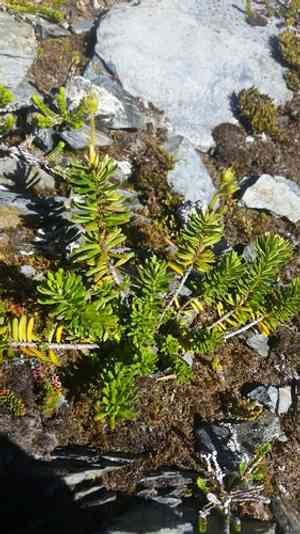
Yellow mountain-heath (Phyllodoce glanduliflora)
Also known as: Yellow Mountain-Heather, Glandular Phyllodoce
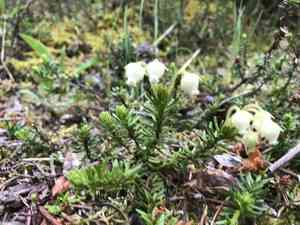
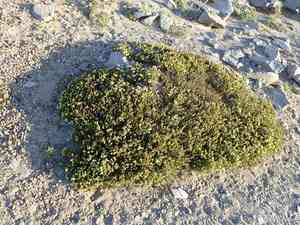
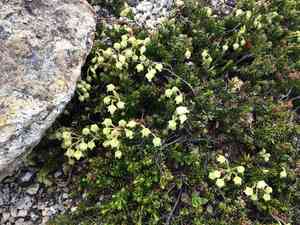
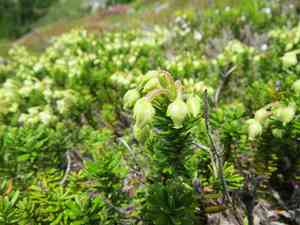
The Yellow mountain-heath (Phyllodoce glanduliflora) is a striking evergreen shrub featuring clusters of yellow, bell-shaped flowers. Its needle-like leaves are dark green and form dense, low-growing mats. This hardy plant thrives in alpine and subalpine regions, where it endures the thin, rocky soils and harsh climatic conditions of high-altitude terrains. The glandular, sticky stems of its flowers help repel herbivores while attracting pollinators, making it a resilient and adaptive species in its mountainous habitat.
In This Article
Attributes of Yellow mountain-heath
Lifespan
Perennial
Plant Type
Shrub
Plant Height
10 cm to 41 cm
Spread
Approximately 30 cm (12 inches)
Leaf Color
Green
Flower Size
0.5-1 cm (0.2-0.4 inches)
Flower Color
Yellow to greenish
Images of Yellow mountain-heath
Quickly Identify Yellow mountain-heath
1
Identify Phyllodoce glanduliflora by its small, bell-shaped yellow to greenish flowers, needle-like leaves, and glandular stems. The plant typically forms low, dense mats and thrives in mountainous, alpine environments.
Scientific Classification of Yellow mountain-heath
Phylum
Vascular plants
Class
Dicotyledons
Order
Ericales
Family
Heath
Genus
Mountain heaths
Species
Yellow mountain-heath
Planting and Growing of Yellow mountain-heath
Care Difficulty
Moderate
Watering Schedule
Every 2 days
Sunlight Requirements
Partial sun
Sunshine Duration
6-8 hours
Ideal Temperature
50-60℉
Soil Type
Potting Mix, Peat Mix
Soil pH
4.5-6
Fertilizer Type
Balanced
Pruning Season
Spring, Summer
Pruning Area
Branches, Leaves
Pruning Frequency
2 times a year
Repotting Season
Spring
Pot Type
Terracotta, Plastic
 How to Water Yellow mountain-heath?
When watering Phyllodoce glanduliflora, it's crucial to ensure the soil is thoroughly moistened without becoming waterlogged. Aim to water until excess moisture drains out of the pot's bottom, but don't leave the plant sitting in standing water. This promotes healthy root growth by ensuring adequate hydration while preventing root rot, a common issue if overwatered.
What are the symptoms of an underwatered Yellow mountain-heath?
›
What should I do if my Yellow mountain-heath is not getting enough water?
›
What are the symptoms of an overwatered Yellow mountain-heath?
›
How to save an overwatered Yellow mountain-heath?
›
 What Are the Sunlight Requirements for Yellow mountain-heath?
Phyllodoce glanduliflora thrives best under partial sun with filtered light offering protection from undue heat. Optimal light promotes healthy foliage, vibrant color, and assists in nutrient synthesis.
What type of light does Phyllodoce glanduliflora prefer?
›
How can you ensure Phyllodoce glanduliflora receives adequate lighting?
›
What are the benefits of providing ideal lighting to Phyllodoce glanduliflora?
›
 What Is the Ideal Temperature Range for Yellow mountain-heath?
Phyllodoce glanduliflora thrives best in a temperate climate where temperatures remain moderate. Ideally, this plant grows well between 50°F and 60°F. This range provides optimal conditions for both root and foliage development, ensuring the plant maintains its vibrant health and ability to flower.
 What Soil is Best for Yellow mountain-heath?
Phyllodoce glanduliflora thrives in soil that retains adequate moisture without becoming waterlogged. Loam or peat soil types suit it best, ensuring consistent hydration essential for its growth. This plant flourishes in nutrient-rich soil, which provides essential minerals and organic matter. The richness of loam and peat soil is beneficial, supporting robust foliage and vivid blossoms. Proper drainage is crucial to prevent root rot. Well-draining soil types like loam and acid soil enable excess water to escape, thus promoting healthy root development and preventing wilting.
 How to Fertilize Yellow mountain-heath?
For Phyllodoce glanduliflora, applying a balanced fertilizer with an NPK ratio of 10-10-10 is optimal. During the growing season, use 1 tablespoon per gallon of water for liquid fertilizers, ensuring the plant receives a gentle but effective nutrient boost without overwhelming its roots.
 How to Prune Yellow mountain-heath?
Before you begin, ensure you have sharp, sterilized pruning shears to prevent the spread of diseases. Gathering the right tools helps you make clean cuts, which heal faster and better for Phyllodoce glanduliflora. Start by inspecting the plant for any dead or diseased branches. Removing these parts helps prevent the spread of disease and allows the plant to focus energy on healthy growth. Aim to maintain a rounded, natural shape. Trim back any overlong branches to encourage a denser, more compact form. This not only enhances the plant's appearance but also promotes even sunlight distribution throughout the foliage.
More About Pruning Techniques→
 How to Propagate Yellow mountain-heath plant?
1
Fill the seed tray with a well-draining seed starting mix. Lightly water the mix to ensure it is moist, but not waterlogged, providing optimal conditions for seed germination.
2
Place the seeds of Phyllodoce glanduliflora on top of the moist seed starting mix. Very lightly cover them with a thin layer of soil or vermiculite to keep them in place while maintaining exposure to light.
3
Select a healthy stem from the parent plant. Use a sharp knife or scissors to cut a section just below a leaf node. The cutting should be about 10 cm long to ensure adequate growth potential.
 How to Repot Yellow mountain-heath plant?
1
Repot Phyllodoce glanduliflora when you notice roots protruding from drainage holes or if water sits atop the soil without absorbing. These are signs that the plant has outgrown its pot and requires more space.
2
Select a pot that is one size larger than the current one, with ample drainage holes. A slightly bigger pot facilitates root spread without overwhelming the plant, promoting healthy growth over time.
3
Opt for an acidic, well-draining mix to suit the plant's preferences. This ensures proper root aeration and moisture balance, minimizing the risk of root rot while nourishing Phyllodoce glanduliflora.



