How to Propagate Yellow mountain-heath?
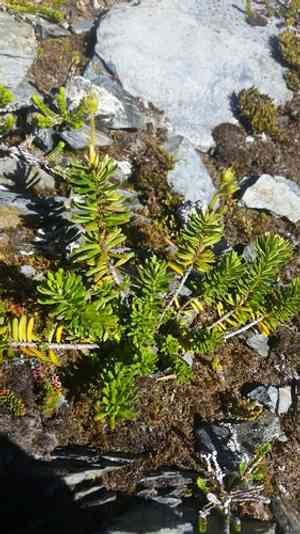
Yellow mountain-heath is a robust, perennial shrub recognized for its bright yellow blossoms and resilience in elevated landscapes. To propagate, utilize semi-hardwood cuttings for the best growth outcomes. Prepare the cuttings by choosing sound, pathogen-free stems, then insert them into a porous, acidic potting blend. Guarantee steady hydration and offer filtered light to aid in root formation. This technique preserves genetic uniformity and fosters robust, thriving new specimens.
Optimal Time for Yellow Mountain-heath Propagation
Propagation Type
Cutting
Propagation Season
Spring,Summer
Tools for Yellow Mountain-heath Propagation
Sharp Pruning Shears
Utilized for taking clean, precise cuttings from yellow mountain-heath. A sharp blade prevents stem crushing, which can lead to infections or poor rooting.
Rooting Hormone
Applied to the cut ends of yellow mountain-heath cuttings to encourage root development. It boosts rooting speed and success rate by stimulating root growth.
Sterilized Containers
Used for planting the cuttings. Sterilization prevents fungal infections or diseases that could impact the health of yellow mountain-heath during propagation.
Well-Draining Potting Mix
Crucial for ensuring that yellow mountain-heath cuttings do not become waterlogged. A mix including materials like perlite or sand ensures proper aeration and moisture levels.
Humidity Dome or Plastic Cover
Creates a humid environment, vital for cutting viability. It prevents yellow mountain-heath cuttings from drying out by maintaining moisture levels.
Heating Mat
Placed beneath containers to provide consistent warmth, encouraging root growth and increasing the likelihood of successful yellow mountain-heath propagation.
Mist Sprayer
Ensures yellow mountain-heath cuttings remain moist without becoming oversaturated. Regular misting helps maintain appropriate humidity levels.
How to Propagate Yellow Mountain-heath?
Propagation Type
Moderately Difficult
Caring for Your Newly Propagated Yellow Mountain-heath
Caring for Your Newly Propagated Yellow Mountain-heath
Once rooted and moved to a permanent spot, yellow mountain-heath needs well-drained, acidic soil and partial to full sun. Keep the soil consistently moist but avoid waterlogging. Mulch around the base to retain moisture and regulate temperature. Prune occasionally to maintain shape and remove dead or damaged growth.
Common Mistakes to Avoid When Propagating Yellow Mountain-heath
Overwatering
Excess moisture can lead to root rot, which is detrimental to yellow mountain-heath's health and hinders propagation success.
Using Heavy Soil
Dense, heavy soil can impede drainage and aeration, leading to poor root development and increased susceptibility to disease.
Inadequate Light
Yellow mountain-heath requires proper light conditions for successful propagation, and insufficient light can stunt growth and hinder root formation.
Incorrect pH
Using a soil with an unsuitable pH can affect nutrient availability and absorption, leading to poor growth and weak plants.
Neglecting Cuttings Hygiene
Using unsterilized tools or handling cuttings improperly can introduce pathogens, causing diseases that weaken or kill the cuttings.
Tips For Propagating Yellow Mountain-heath
Well-Drained Soil
Use a well-draining soil mix to prevent waterlogging and provide adequate aeration, essential for healthy root development.
Proper Light Conditions
Ensure cuttings or seedlings receive bright, indirect light to stimulate growth without causing leaf burn.
Maintain pH Balance
Use acidic to slightly acidic soil (pH 5.5-6.5) to optimize nutrient availability and uptake.
Sterile Tools
Always use sterilized tools for taking cuttings and handle them with care to avoid introducing diseases.
Consistent Moisture
Keep the soil consistently moist but not waterlogged, as even moisture levels support root formation and growth.



