How to Prune Twocolor phacelia?
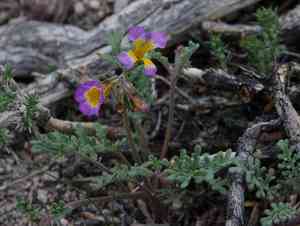
Phacelia bicolor, recognized for its distinctive dual-toned blossoms, flourishes with consistent, gentle trimming. Perform pruning during spring, summer, and autumn to foster robust development and eliminate any deceased or ailing stalks. Concentrate on shortening excessively long branches to preserve its form and stimulate flower production. Trimming enhances air movement, diminishes insect problems, and can boost floral display. Verify that instruments are disinfected to avert pathogen transmission and cut directly above leaf junctions to encourage fresh development.
What Are the Benefits of Pruning Twocolor Phacelia?
What Are the Benefits of Pruning Twocolor Phacelia?
Trimming twocolor phacelia promotes vigorous growth and helps maintain its desired shape. Consistent pruning also enhances air circulation, which lowers disease risk and supports healthier blooms, resulting in a more attractive and robust plant.
What Is the Best Time for Pruning Twocolor Phacelia?
What Is the Best Time for Pruning Twocolor Phacelia?
The optimal time for pruning or trimming twocolor phacelia is during the Spring, Summer, and Fall. These periods align with the plant's active growth cycle, enabling it to recover and regrow more effectively. Spring pruning helps eliminate any dead or damaged branches from winter, encouraging strong new growth. Summer trimming assists in shaping the plant and managing its size, directing energy towards flowering. Fall pruning prepares the plant for winter, removing any late-season growth vulnerable to frost damage. Pruning during these seasons supports twocolor phacelia's overall health, preventing disease, and fostering abundant blooms.
What Tools Do I Need to Prune Twocolor Phacelia?
Hand Pruners
Hand pruners are perfect for making precise cuts on small stems and branches, crucial for twocolor phacelia's shape and health. Ensure blades are sharp and clean for a neat cut.
Scissors
Fine gardening scissors are excellent for deadheading and trimming delicate parts of twocolor phacelia. They offer precision and control, essential for managing small growth.
Bypass Pruners
Bypass pruners are preferred for cutting live green stems and shoots of twocolor phacelia without causing harm. They provide a clean cut that promotes quicker healing.
Pruning Shears
Pruning shears are suitable for larger stems and thicker growths of twocolor phacelia, allowing efficient trimming without overexertion. Opt for a lightweight model for ease of use.
Gloves
Wearing gardening gloves provides protection while handling tools and plant material, preventing cuts and scrapes.
How to Prune Twocolor Phacelia
Identify
Examine the plant to locate withered leaves. These are typically brown or yellow and may appear dry or lifeless.
Sanitize
Sanitize your pruning shears with rubbing alcohol or a bleach solution to prevent the spread of disease.
Cut
Carefully cut the withered leaves at their base, where they meet the stem, making sure to avoid cutting into healthy tissue.
Discard
Collect and discard the removed leaves to prevent any potential spread of pests or disease back to the plant or nearby vegetation.
Observe
Monitor the plant for any new signs of withering or disease and repeat the process as necessary, maintaining overall plant health.
Common Pruning Mistakes with Twocolor Phacelia
Timing
Pruning twocolor phacelia at an inappropriate time can disrupt its natural growth cycle and impact its flowering potential. Avoid pruning during peak growth periods unless necessary.
Technique
Incorrect cutting methods, such as making uneven or ragged cuts, can harm the plant and make it susceptible to diseases. Ensure cuts are clean and at a slight angle.
Overpruning
Removing too much foliage or cutting back significantly can weaken twocolor phacelia, reducing its ability to photosynthesize and store energy. Limit pruning to maintain the health and structure of the plant.
Ignoring Sanitation
Using dirty or dull tools can introduce pathogens to twocolor phacelia, leading to infections and diseases. Always sterilize pruning tools before use.
Pruning in Wet Conditions
Pruning when the plant is wet increases the risk of spreading fungal infections. Wait until the plant is dry to minimize this risk.
Failing to Remove Dead or Diseased Parts
Not promptly removing dead or diseased foliage can cause the issues to spread, damaging healthy parts of twocolor phacelia. Regularly inspect and remove any compromised areas.
Common Pruning Tips for Twocolor Phacelia
Sanitize Tools
Always use clean, sharp pruning tools to make precise cuts and reduce the risk of disease transmission.
Make Clean Cuts
Ensure each cut is clean and smooth to allow for faster healing. Cut at a slight angle to prevent water from settling on the cut surface.
Moderate Pruning
Prune moderately to maintain the plant's natural form and promote healthy growth. Focus on removing dead, damaged, or crossing branches.
Inspect Regularly
Regularly check twocolor phacelia for any signs of disease or damage, and prune these areas promptly to maintain overall plant health.
Shape Conservatively
Maintain a natural shape rather than over-shaping or drastically altering the plant's form. This ensures better air circulation and light penetration.
Limit Pruning Frequency
Avoid frequent pruning sessions as this can stress twocolor phacelia, negatively impacting its growth. Stick to a consistent but moderate pruning schedule.



