How to Propagate Twocolor phacelia?
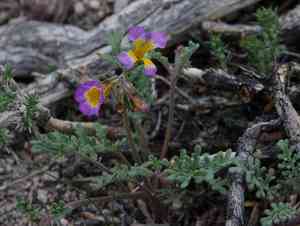
Phacelia bicolor, a member of the Boraginaceae family, generally flourishes in dry environments featuring soil that drains effectively. Effective propagation entails distributing seeds within a finely textured, sandy medium. It is essential to uniformly distribute the seeds and sustain a steady level of dampness until sprouting occurs. Initiate the seeding process once proper soil conditioning is confirmed. Delicately blanket the seeds with earth and irrigate softly, preventing excessive wetness for optimal outcomes.
Optimal Period for Twocolor Phacelia Propagation
Propagation Method
Seeding
Propagation Season
Spring
Tools Required for Twocolor Phacelia Propagation
Seed Trays
Seed trays are vital for uniform seed distribution and managing young seedlings. They offer a controlled setting for twocolor phacelia, enabling easy observation and upkeep of ideal growth conditions.
Seed Starting Mix
A premium seed starting mix is essential for successful germination of twocolor phacelia. This blend typically ensures good drainage and aeration, crucial for healthy root development.
Watering Can with Fine Rose
A watering can equipped with a fine rose attachment aids in gently irrigating twocolor phacelia seeds and young seedlings without disturbing the soil or dislodging seeds.
Humidity Dome
A humidity dome can assist in maintaining sufficient moisture levels during twocolor phacelia's germination phase, preventing seeds from drying out and fostering a favorable microenvironment for sprouting.
Spray Bottle
A spray bottle is useful for misting the surface of seed trays to keep the soil moist without oversaturating it, which is especially important during the delicate initial stages of twocolor phacelia propagation.
Labeling Tags
Labeling tags are important for tracking different seed batches and ensuring correct identification of twocolor phacelia throughout the propagation process.
Heating Mat
A heating mat can provide consistent warmth from below, potentially accelerating twocolor phacelia's germination process by creating a warm soil environment vital for seed sprouting.
Grow Lights
Supplementary grow lights help supply adequate illumination for twocolor phacelia seedlings, particularly during dark or short winter days, ensuring they receive enough light for robust growth.
How to Propagate Twocolor Phacelia?
Propagation Type
Simple
Caring for Your Newly Propagated Twocolor Phacelia
Caring for Your Newly Propagated Twocolor Phacelia
Once germinated, transfer seedlings into larger pots or directly into the garden bed when they are robust enough to handle. Provide well-draining soil and maintain consistent moisture, especially during dry spells. Shield young plants from strong winds and intense sunlight until they are well-established. Fertilize sparingly, as excessive nutrients can lead to elongated growth. Monitor for pests and diseases, treating promptly to ensure healthy development.
Common Errors to Avoid When Propagating Twocolor Phacelia
Overwatering
Excessive irrigation can lead to root rot and fungal infections, which are harmful to twocolor phacelia's health.
Poor Soil Drainage
Using soil that lacks proper drainage can create waterlogged conditions, impeding root development.
Inadequate Light
Failure to provide sufficient light can result in weak, spindly growth and poor flowering.
Wrong Soil Type
Utilizing soil that is too rich or heavy can hinder proper growth and may lead to nutrient imbalances.
Improper Seed Depth
Planting seeds too deep or too shallow can negatively impact germination rates and seedling vigor.
Tips For Propagating Twocolor Phacelia
Use Well-Draining Soil
Choose a sandy or loamy soil mix to ensure proper drainage and prevent root rot.
Maintain Moderate Watering
Water consistently but sparingly, allowing the soil to dry out between watering sessions to avoid waterlogging.
Provide Ample Light
Place twocolor phacelia in a location with full to partial sunlight to promote robust growth and vibrant flowering.
Ensure Proper Seed Depth
Plant seeds at the recommended depth, typically about 1/8 to 1/4 inch, to facilitate successful germination.
Monitor for Pests
Regularly check for pest infestations and promptly address any issues to maintain plant health.



