How to Prune Productive carnation?
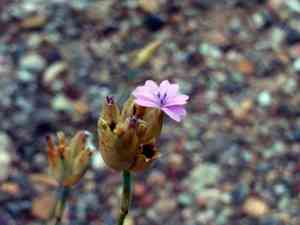
This enduring plant, known for its fragile flowers, thrives with the removal of spent blooms to encourage ongoing flowering. In spring, cut back withered stalks to stimulate new development. Throughout summer and autumn, gentle shaping helps preserve its form and fosters a vigorous look. Trimming during these periods also deters self-sowing, which could result in excessive proliferation. Consistent elimination of lifeless or discolored leaves is crucial for the plant's well-being and blooming strength.
What Are the Benefits of Pruning Productive Carnation?
What Are the Benefits of Pruning Productive Carnation?
Trimming productive carnation encourages robust development and maintains its preferred form, ensuring a dense, attractive shape beneficial for its health and display.
What Is the Best Time for Pruning Productive Carnation?
What Is the Best Time for Pruning Productive Carnation?
Pruning in late spring is optimal as productive carnation has begun active growth after winter dormancy, allowing rapid healing of cuts and promoting new shoots. Early summer pruning, following the main bloom period, can stimulate a second flowering and preserve plant shape. Pruning in early fall permits productive carnation to recover before winter's arrival, preventing new growth that could be harmed by frost. These periods ensure plant vitality and maximize its blooming or fruiting potential.
What Tools Do I Need to Prune Productive Carnation?
Bypass Pruners
Perfect for making precise cuts on the delicate stems of productive carnation, bypass pruners minimize tissue damage, aiding quicker recovery.
Micro-Tip Snips
For detailed tasks, such as thinning or deadheading the small blossoms of productive carnation, micro-tip snips allow precision without harming adjacent stems.
Pruning Shears
For general upkeep and shaping of productive carnation, pruning shears offer a comfortable grip and good control, suitable for most light trimming needs.
How to Prune Productive Carnation
Sterilize tools
Before starting to prune productive carnation, ensure all cutting implements are clean and disinfected to prevent disease transmission.
Identify parts
Locate the withered foliage on the productive carnation that requires removal. Look for leaves that are brown, dry, and clearly deceased.
Cut withered leaves
Using sharp pruning shears, make clean cuts to remove the dead leaves at their base, where they connect to the stem or the plant's main branch.
Dispose waste
Carefully discard the withered leaves and any other trimmed material to prevent pests and diseases from spreading in the garden.
Clean up
After pruning the productive carnation, clean the area and tools to maintain hygiene and prepare for the next trimming session.
Common Pruning Mistakes with Productive Carnation
Over-pruning
Removing too much growth at once can stress productive carnation, leading to weakened plants or reduced blooms.
Pruning too early
Cutting back productive carnation before it has finished flowering can prevent the plant from forming seeds and negatively impact the next season's growth.
Incorrect cuts
Making cuts at improper angles or leaving stubs can harm productive carnation, allowing disease entry and potentially damaging the plant.
Using dull tools
Trimming productive carnation with dull or unclean tools can result in ragged cuts that take longer to heal and can introduce pathogens.
Neglecting plant shape
Failing to consider the natural form of productive carnation while pruning can lead to a loss of its aesthetic appeal and negatively affect its overall health.
Common Pruning Tips for Productive Carnation
Clean cuts
Make precise and sharp cuts to avoid damaging productive carnation, which helps the plant heal faster and reduces disease risk.
Right technique
Prune productive carnation by cutting above a leaf node or bud to encourage new growth in the desired direction, ensuring the plant maintains an attractive shape.
Thinning out
Thin out congested areas of productive carnation to improve air circulation, which can lessen the chance of fungal diseases and promotes stronger growth.
Deadheading
Regularly remove spent flowers from productive carnation to encourage more blooms and maintain a tidy appearance.
Rejuvenation
Periodically cut back old and woody stems of productive carnation to stimulate fresh growth and revitalize the plant's overall structure.



