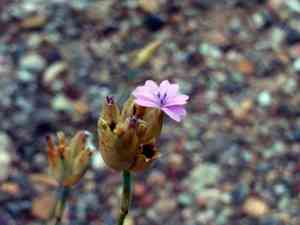
Productive carnation (Petrorhagia nanteuilii)
Also known as: Childling Pink, Tunic Flower
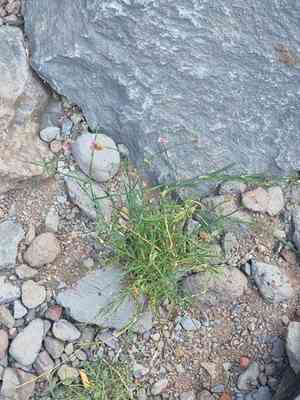
The plant you're describing is an annual that reaches a height of up to 50 cm. Its leaves are linear, arranged in opposite pairs, and clasp the stem. It features small pink flowers that appear in compact, ovoid clusters, typically with only one flower visible at any given moment. After flowering, it produces ovoid seed capsules.
In This Article
Attributes of Productive carnation
Lifespan
Annual
Plant Type
Herb
Plant Height
50 cm
Spread
Approximately 12 inches (30 cm)
Leaf Color
Green
Flower Size
0.2-0.4 inches (0.5-1 cm)
Flower Color
Pink Purple
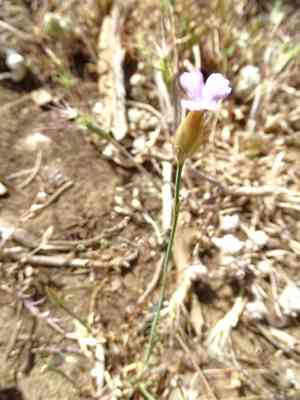
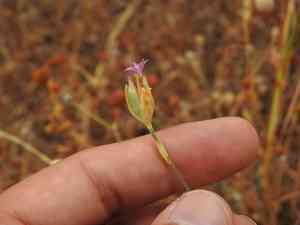
Images of Productive carnation
Quickly Identify Productive carnation
1
Look for its cluster of small, pink or white flowers with five petals each. The leaves are narrow and grass-like, and the plant grows in a tufted, bushy form.
Scientific Classification of Productive carnation
Phylum
Vascular plants
Class
Dicotyledons
Order
Caryophyllales
Family
Pink
Genus
Pinks
Species
Productive carnation
Planting and Growing of Productive carnation
Care Difficulty
Easy
Watering Schedule
Every 2 days
Sunlight Requirements
Full sun
Sunshine Duration
4-6 hours
Ideal Temperature
65-75℉
Soil Type
Potting Mix, Peat Mix
Soil pH
6.5-7.5
Fertilizer Type
Balanced
Pruning Season
Spring, Summer
Pruning Area
Branches, Leaves
Pruning Frequency
2 times a year
Repotting Season
Spring
Pot Type
Plastic, Ceramic
 How to Water Productive carnation?
When watering Petrorhagia nanteuilii, aim for about 250 milliliters per session, ensuring the soil is thoroughly moist but never soggy. Check that the top inch of soil dries out between waterings to prevent root rot.
What are the symptoms of an underwatered Productive carnation?
›
What should I do if my Productive carnation is not getting enough water?
›
What are the symptoms of an overwatered Productive carnation?
›
How to save an overwatered Productive carnation?
›
 What Are the Sunlight Requirements for Productive carnation?
Petrorhagia nanteuilii prefers partial to full sunlight, benefiting greatly from morning to early afternoon exposure. Ideal light helps enhance its natural vibrant flowers and supports healthy foliage, contributing to the robustness of the plant's growth and its resistance to environmental stresses.
What is the best location for Petrorhagia nanteuilii?
›
How can I ensure optimal lighting indoors?
›
What are the benefits of providing ideal light conditions?
›
 What Is the Ideal Temperature Range for Productive carnation?
The ideal temperature range for Petrorhagia nanteuilii is between 65°F and 75°F. This range allows for optimal physiological processes, including photosynthesis, respiration, and growth. Staying within this range can ensure the plant maintains healthy foliage and vibrant blooms, providing nourishment and promoting overall vitality.
 What Soil is Best for Productive carnation?
Petrorhagia nanteuilii thrives in well-drained soils that prevent waterlogging, reducing root rot risk and promoting healthier plant growth. Moderate nutrient levels are ideal as they provide essential minerals without excessive fertility, ensuring balanced growth and vibrant blooms. Aerated soil supports root respiration and nutrient uptake, resulting in robust root systems and improved overall plant health.
 How to Fertilize Productive carnation?
For Petrorhagia nanteuilii, it is crucial to use the right amount of fertilizer. Generally, you should use a balanced, all-purpose fertilizer with a ratio like 10-10-10. Apply a dilute solution at half the recommended strength (as stated on the product label) to avoid nutrient burn.
 How to Prune Productive carnation?
Begin by identifying dead or wilted blooms as these should be removed regularly to encourage new growth. Use a pair of clean, sharp pruning scissors and start snipping away these spent flowers at their base. Ensure cuts are clean to prevent plant damage and possible disease entry. Focus on shaping the plant by trimming excess foliage to maintain its natural form. Around mid-summer, consider shearing back the plant to about half its size. This will kickstart a fresh flush of growth, leading to a more compact and fuller appearance. Ensure all tools are disinfected before and after use to prevent disease spread. Shearing should be done carefully to promote healthy development without stressing the plant.
More About Pruning Techniques→
 How to Propagate Productive carnation plant?
1
Fill the seed tray with a well-draining potting mix, such as a mix of peat and perlite. Lightly moisten the soil before sowing the seeds to encourage even germination.
2
Evenly distribute the seeds on the surface of the moistened soil. Cover them lightly with a thin layer of soil or sand to ensure they are not buried too deep, which could affect germination.
3
Select healthy, non-flowering stems from the parent plant, ideally around 3-4 inches long. Use pruning shears to cut just below a node, as this is where roots will likely develop.
 How to Repot Productive carnation plant?
1
You should consider repotting Petrorhagia nanteuilii when it shows signs of being root-bound, such as roots growing out of the drainage holes, or when the growth appears stunted with an abundance of foliage over flower production. This often occurs when the plant has outgrown its current container and requires more space to flourish and thrive. It is best done during its active growth periods in spring or early summer.
2
Select a pot that is one size larger than the current one, ensuring it has ample drainage holes. The benefits of a pot with drainage cannot be overstated; it prevents waterlogging, which can lead to root rot. Additionally, opting for a slightly porous material like terra cotta can help wick away excess moisture, keeping the roots healthy and happy.
3
Opt for a well-draining sandy mix that mimics the plant's natural environment. This type of soil provides excellent aeration, which is crucial for root health, and allows water to pass through smoothly, minimizing the risk of waterlogged roots. Enhancing the soil with perlite or small stones can also improve drainage, providing ideal growing conditions for this resilient plant.
Learn More About Productive carnation Diseases
Anthracnose
Bacterial Leaf Spot
Bacterial Soft Rot
Crown Gall
Cyst Nematode
Damping-off
Downy Mildew
Drought Stress
Fusarium Wilt
Gray Mold
Leaf Spot
Mosaic
Nutrient Deficiency
Nutrient Toxicity
Powdery Mildew
Root Rot
Root-knot Nematode
Rusts
Sooty Mold
Spider Mites
Temperature Stress
Thrips Damage
White Mold



