How to Prune Pergularia?
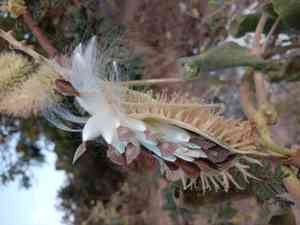
Pergularia, a robust climbing plant possessing therapeutic qualities, thrives with deliberate trimming to foster robust development. The most suitable periods for pruning are in the initial part of spring and the latter portion of winter. Essential methods involve severing aged or lifeless growth and reducing dense sections to improve air movement. Trimming additionally stimulates fresh sprouts, boosting the plant's vigor. Consistently eliminate any frail or ailing stalks to preserve the plant's well-being and aesthetic. Refer to botanical manuals for accurate procedures.
Advantages of Trimming Pergularia
Advantages of Trimming Pergularia
Pergularia benefits from trimming by encouraging strong development and maintaining its form. Pruning promotes robust growth, manages size, improves appearance, and aids in resistance to pests and diseases. Regular trimming ensures pergularia stays vigorous and visually appealing.
Optimal Time for Pruning Pergularia
Optimal Time for Pruning Pergularia
Pergularia is best trimmed in early spring or late winter as these periods coincide with its dormant phase and just before its active growth cycle. Pruning at these times minimizes plant stress and stimulates healthy new growth as temperatures rise. Additionally, cutting back pergularia before its flowering season ensures that blooms and fruits are not removed, preserving its ornamental and reproductive functions. Pruning in early spring or late winter helps remove any damage from the previous season and prepares the plant for vigorous growth.
Tools Required for Pruning Pergularia
Bypass Pruners
Perfect for cutting live stems and maintaining pergularia's health by making clean, precise cuts.
Anvil Pruners
Useful for removing dead or tough wood, though they should be used carefully to avoid crushing stems.
Loppers
Essential for cutting thicker branches that are too large for hand pruners, ensuring dense growths are managed effectively.
Pruning Saw
Necessary for cutting larger branches with ease, maintaining the shape and health of mature pergularia.
Gloves
Important for protecting hands from sap and potential thorns during pruning.
How to Prune Pergularia
Assess
Begin by thoroughly inspecting pergularia to identify all diseased and withered leaves.
Equipment
Use clean, sharp pruning shears to prevent the spread of disease.
Remove Diseased Leaves
Cut back any diseased leaves at their base, making sure to dispose of them away from healthy plant parts to prevent contamination.
Remove Withered Leaves
Trim the withered leaves by snipping them off at their base, ensuring you donâ™t damage the surrounding healthy foliage.
Clean Up
Collect all trimmed parts from around pergularia and dispose of them properly to maintain plant health and garden hygiene.
Common Pruning Errors with Pergularia
Over-pruning
Removing too many branches and leaves can weaken pergularia and hinder its growth. This can also lead to reduced flowering and increased vulnerability to diseases.
Poor cutting technique
Using dull or unclean tools can cause ragged cuts, leading to damage and increased susceptibility to pests and diseases.
Pruning at the wrong angle
Cutting branches improperly or at incorrect angles can lead to poor healing and unhealthy regrowth.
Ignoring dead or diseased parts
Failing to remove dead or diseased branches can allow the problem to spread, compromising the health of the entire plant.
Improper identification of branches
Cutting the wrong branches, such as those that are healthy and vigorous, can adversely affect the plant's overall structure and productivity.
Common Pruning Advice for Pergularia
Use sharp and clean tools
Ensure your pruning tools are sharp and sterilized to make clean cuts. This helps in quick healing and reduces the risk of disease transmission.
Focus on dead and weak branches
Prioritize removing dead, diseased, or weak branches to strengthen the plant and encourage robust growth.
Make angled cuts
Trim branches at a 45-degree angle, just above a bud facing outward. This encourages healthy growth and good air circulation.
Thin out dense areas
Thinning out overcrowded parts of pergularia enhances light penetration and air circulation, promoting better health and flowering.
Consider plant architecture
Maintain the natural shape and size of pergularia by pruning thoughtfully, ensuring the plant's overall form remains balanced and aesthetically pleasing.



