How to Prune Finetooth beardtongue?
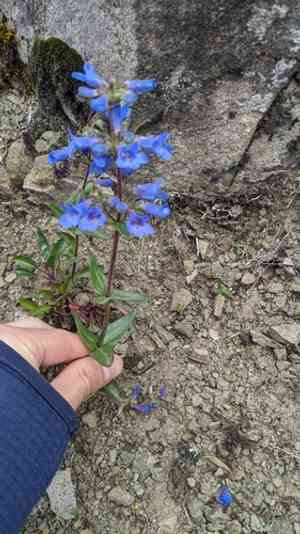
Recognized for its delicately toothed foliage and vivid, tube-shaped blossoms, finetooth beardtongue thrives with trimming performed in late winter or early spring. Eliminate any deceased or compromised stalks to foster robust development and improved air circulation. Reduce the plant by as much as one-third to sculpt its form and stimulate more abundant leaves. Trimming additionally aids in preventing elongated stems and boosts bloom production. Always employ sanitized, keen implements to lessen the chance of illness.
What Are the Benefits of Pruning Finetooth Beardtongue?
What Are the Benefits of Pruning Finetooth Beardtongue?
Finetooth beardtongue will thrive and maintain its form with regular trimming, which promotes robust new growth, controls plant size, boosts flowering, enhances overall look, and lowers the chance of pests and diseases.
What Is the Best Time for Pruning Finetooth Beardtongue?
What Is the Best Time for Pruning Finetooth Beardtongue?
Trimming finetooth beardtongue in early spring or late winter is optimal as it aligns with the plant's dormant phase, minimizing stress and lowering disease risk. Pruning during this period also allows the plant ample time to recover and reallocate energy to developing new stems and leaves when the active growth season begins. Furthermore, pruning before new growth starts helps shape the plant and encourages more abundant blooms in spring.
What Tools Do I Need to Prune Finetooth Beardtongue?
Bypass Pruners
Perfect for making precise cuts on living stems and branches, crucial for preventing harm and fostering healthy regrowth.
Hand Pruning Shears
Useful for detailed cutting on smaller branches and delicate stems, common for finetooth beardtongue.
Loppers
Essential for thicker stems and branches that might need more leverage for a clean cut.
Pruning Saw
Required for cutting larger, woody stems or removing old, dead growth without harming the plant.
Gloves
Protect hands from sharp stems and offer a better grip when handling tools and plant material.
How to Prune Finetooth Beardtongue
Inspect
Carefully examine finetooth beardtongue to identify any diseased or withered leaves. This step ensures targeted pruning and minimizes unnecessary damage to healthy parts.
Select tools
Choose appropriate pruning tools such as sterilized sharp scissors or garden shears. Sterilization is crucial to prevent the spread of diseases during pruning.
Trim diseased
Remove any diseased leaves first. Make clean cuts at the base of the leaf stem, ensuring not to tear or damage the main plant structure.
Trim withered
Next, trim away any withered leaves. Cut these leaves back to the closest healthy part of the plant or to the base without leaving stubs.
Dispose
Properly dispose of the pruned diseased and withered leaves in a sealed bag to prevent the spread of any pathogens. Do not compost them as they might contaminate your compost heap.
Common Pruning Mistakes with Finetooth Beardtongue
Over-pruning
Cutting back finetooth beardtongue too much can weaken the plant and reduce its flowering potential. Only a moderate amount of pruning is necessary.
Pruning too early
Starting the pruning process before the plant is ready can cause stress and potentially damage the emerging buds.
Improper technique
Using dull or unsuitable tools can harm the plant. Avoid tearing or crushing stems and always use clean, sharp pruners.
Ignoring the growth habit
Failing to consider finetooth beardtongue's natural growth pattern can lead to an untidy appearance and hinder its natural form and health.
Common Pruning Tips for Finetooth Beardtongue
Moderate pruning
Aim to remove only about one-third of the plant's growth to encourage vigorous new shoots and flowering without stressing finetooth beardtongue.
Focus on dead or diseased parts
Prioritize cutting back any dead, diseased, or damaged stems to improve overall plant health and appearance.
Make clean cuts
Ensure all cuts are clean and precise to promote quick healing and reduce the risk of disease. Use sharp, sterile pruning shears.
Encourage air circulation
Thinning out the interior of the plant can help improve air circulation, reducing the likelihood of fungal diseases and promoting healthy growth.



