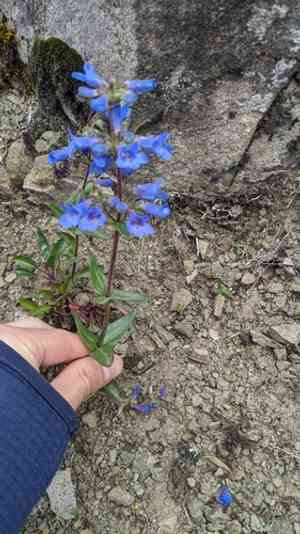
Finetooth beardtongue (Penstemon subserratus)
Also known as: N/A
Penstemon, also known as beardtongue, features attractive tubular flowers frequently found in shades of blue or violet. The plant gets its name from its finely toothed leaves, which are usually a vibrant green. This durable perennial flourishes in well-drained soils, making it well-suited for arid environments. With its compact size, it fits perfectly in rock gardens or along borders.
In This Article
Attributes of Finetooth beardtongue
Lifespan
Perennial
Plant Type
Herb
Plant Height
30 cm to 76 cm
Spread
N/A
Leaf Color
Green
Flower Size
2-3 cm
Flower Color
Blue to violet
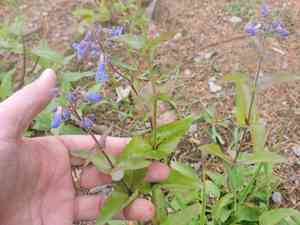
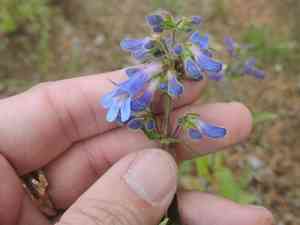
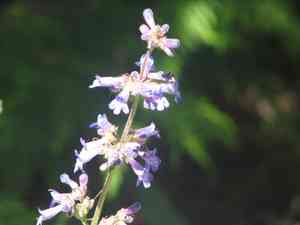
Images of Finetooth beardtongue

Quickly Identify Finetooth beardtongue
1
Penstemon subserratus can be identified by its serrated leaves, tubular blue to violet flowers, and a preference for well-drained soils in sunny locations. The plant typically blooms in late spring to early summer.
Scientific Classification of Finetooth beardtongue
Phylum
Vascular plants
Class
Dicotyledons
Order
Lamiales
Family
Plantain
Genus
Penstemon
Species
Finetooth beardtongue
Planting and Growing of Finetooth beardtongue
Care Difficulty
Moderate
Watering Schedule
Every 8 days
Sunlight Requirements
Full sun
Sunshine Duration
4-8 hours
Ideal Temperature
65-75℉
Soil Type
Potting Mix, Peat Mix
Soil pH
6.5-7.5
Fertilizer Type
Balanced
Pruning Season
Spring, Summer
Pruning Area
Branches, Leaves
Pruning Frequency
2 times a year
Repotting Season
Spring
Pot Type
Plastic, Ceramic
 How to Water Finetooth beardtongue?
Penstemon subserratus appreciates a good soak, but remember, it doesn't enjoy standing water. Water until approximately 200 ml is settled into the soil, ensuring it reaches the roots without causing waterlogged conditions. Aim for moisture that thoroughly wets the soil, encouraging deep root growth.
What are the symptoms of an underwatered Finetooth beardtongue?
›
What should I do if my Finetooth beardtongue is not getting enough water?
›
What are the symptoms of an overwatered Finetooth beardtongue?
›
How to save an overwatered Finetooth beardtongue?
›
 What Are the Sunlight Requirements for Finetooth beardtongue?
Full sun with some partial shade periods helps Penstemon subserratus to thrive, resulting in lush growth and vibrant blooms.
Optimal Light Duration
›
Ensuring Adequate Sunlight
›
Benefits of Ideal Sunlight
›
 What Is the Ideal Temperature Range for Finetooth beardtongue?
The ideal temperature range for Penstemon subserratus is between 65°F and 75°F. This range provides the optimal conditions for growth, ensuring proper metabolic function and preventing any potential stress from extreme temperatures. Maintaining this range will help in maximizing the plant's flowering potential.
 What Soil is Best for Finetooth beardtongue?
For Penstemon subserratus, ensuring the soil is well-drained helps prevent root rot and promotes healthier growth. Well-drained conditions allow excess water to flow away, ensuring roots receive the necessary oxygen. The plant thrives in moderately fertile soil, which provides essential nutrients without overwhelming its natural growth patterns. Too much fertility can lead to excessive foliage at the expense of blooms. This plant prefers soil with a pH ranging from 6.5 to 7.5. Maintaining the right pH ensures nutrient availability and optimal plant metabolism.
 How to Fertilize Finetooth beardtongue?
For Penstemon subserratus, the fertilization amount should be moderate. Use a balanced liquid fertilizer diluted to half strength, about 10 milliliters per liter of water, applied during the active growing season. For slow-release granular fertilizers, apply approximately 30 grams around the base of the plant, ensuring not to touch the stem directly to prevent burn.
 How to Prune Finetooth beardtongue?
Begin by identifying and cutting away dead, damaged, or diseased stems. This encourages healthy growth and allows more air and light to reach the central parts of the plant, preventing diseases. Trim the plant to maintain its natural shape, removing any wayward stems that compromise its overall appearance. This not only makes your Penstemon look more attractive but also supports a balanced structure. Every two to three years, consider cutting back a third of older stems to the base to encourage new growth. This rejuvenation leads to more vigorous flowering and a rejuvenated appearance.
More About Pruning Techniques→
 How to Propagate Finetooth beardtongue plant?
1
Harvest seeds from mature capsules after they dry and begin to split open. This ensures that the seeds are fully developed and ready for planting.
2
Select healthy, non-flowering shoots and cut a 4-6 inch segment. Remove lower leaves to prevent decay when placing the cutting in soil.
3
Sow seeds in a light seed-starting mix, or plant cuttings in a well-draining soil mix. Water lightly and maintain humidity by covering with a plastic dome or bag.
 How to Repot Finetooth beardtongue plant?
1
For Penstemon subserratus, consider repotting when you notice its roots are tightly packed against the edge of the pot, or when water is draining too quickly through the current soil. The ideal time is during spring or summer when the plant is actively growing.
2
Select a pot that is slightly larger than the current one, providing enough space for new root growth. Ensure it has good drainage holes to prevent waterlogging, which can lead to root rot in Penstemon subserratus.
3
Use a well-draining soil mix that mimics the native sandy or gravelly soils of the plant. This supports healthy root growth and prevents water retention which could harm the plant's roots.
Learn More About Finetooth beardtongue Diseases
Anthracnose
Bacterial Leaf Spot
Bacterial Wilt
Crown Gall
Cyst Nematode
Damping-off
Downy Mildew
Drought Stress
Fusarium Wilt
Gray Mold
Leaf Spot
Mosaic
Nutrient Deficiency
Nutrient Toxicity
Powdery Mildew
Root Rot
Root-knot Nematode
Rusts
Sooty Mold
Spider Mites
Temperature Stress
Thrips Damage
White Mold



