How to Propagate Finetooth beardtongue?
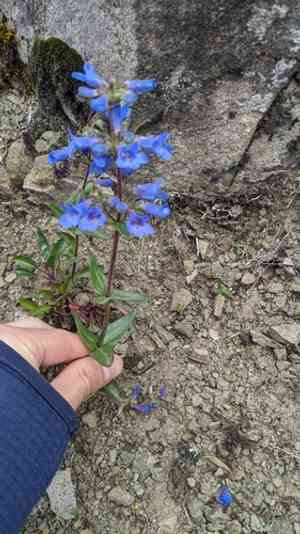
Penstemon digitalis, a member of the Plantaginaceae family, features impressive tubular blossoms. Effective methods for multiplying Penstemon digitalis involve employing a well-aerated substrate that retains consistent dampness. Confirm that seeds are scattered on the soil's top layer and gently compressed. Elevated temperatures aid in sprouting. Perseverance is crucial since sprouting could require several weeks. Carefully relocate young plants to a bright location, shielding them from harsh environmental conditions.
Optimal Period for Finetooth Beardtongue Propagation
Propagation Method
Sowing
Propagation Season
Spring
Tools Utilized in Finetooth Beardtongue Propagation
Seed Trays
Employed for germinating finetooth beardtongue seeds in a controlled setting. These trays offer an ideal environment for sprouting by enabling proper spacing and drainage, vital for initial growth.
Plant Labels
Useful for keeping track of various batches and types of finetooth beardtongue seeds. This allows for monitoring growth rates and documenting successful germination methods specific to the species.
Fine Seed Compost
A specialized growing medium that supplies the appropriate nutrient balance and soil structure required for the delicate finetooth beardtongue seeds. The correct soil is crucial for proper seed germination and seedling vitality.
Watering Can with Fine Rose
Delivers gentle and uniform watering without disturbing the soil or dislodging finetooth beardtongue seeds. Consistent moisture levels are essential for seed germination and seedling development.
Propagation Domes
Establishes a miniature greenhouse effect, maintaining humidity and warmth, which are beneficial for finetooth beardtongue germination. This controlled environment aids in reducing environmental stress.
Heat Mat
Used to maintain a consistent soil temperature, encouraging quicker and more uniform germination for finetooth beardtongue. Steady warmth is especially important if sowing occurs in a cooler environment.
Seed Dibber
Assists in creating small holes for planting finetooth beardtongue seeds at the correct depth. This tool ensures optimal seed placement for the best chances of successful germination.
Misting Spray Bottle
Allows for fine misting to keep finetooth beardtongue seeds and seedlings moist without overwatering. This is particularly important to prevent seed displacement and maintain uniformly moist soil conditions.
How to Propagate Finetooth Beardtongue?
Propagation Type
Easy
Caring for Your Newly Propagated Finetooth Beardtongue
Caring for Your Newly Propagated Finetooth Beardtongue?
Once finetooth beardtongue seedlings have developed several true leaf sets and are robust enough to handle, transfer them to a garden bed or larger containers with well-draining soil. Position them in a sunny spot with some afternoon shade during the hottest part of the day. Continue regular watering, allowing the soil to dry slightly between waterings, and ensure good air circulation to prevent fungal issues. Apply mulch around the plants to retain moisture and add organic matter. Fertilize sparingly, as finetooth beardtongue thrives in moderately fertile soils. Regularly check for pests and treat as needed.
Common Errors to Avoid When Propagating Finetooth Beardtongue
Overwatering
Excessive moisture can lead to root rot and fungal infections, hindering growth and potentially killing the plant.
Incorrect Soil
Utilizing dense or poorly draining soil can suffocate roots, resulting in poor development and health.
Improper Light Conditions
Insufficient light can impede photosynthesis, while too much direct sunlight can scorch foliage.
Ignoring pH Balance
Using soil with an unsuitable pH can restrict nutrient absorption, leading to deficiencies.
Neglecting Seed Stratification
Skipping cold stratification can prevent seeds from breaking dormancy, lowering germination rates.
Tips For Propagating Finetooth Beardtongue
Well-Draining Soil
Employ a soil mix that ensures proper drainage to prevent waterlogging and root rot.
Moderate Watering
Water the plant sparingly, allowing the soil to dry out between irrigation sessions.
Optimal Light
Provide bright, indirect light to support healthy growth without causing leaf burn.
Monitor pH Levels
Maintain soil pH around 6.0-7.0 to optimize nutrient uptake for healthy plant development.
Cold Stratification
Subject seeds to a period of cold stratification to stimulate germination and improve propagation success.



