How to Prune Manyflower beardtongue?
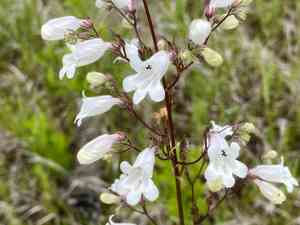
The manyflower beardtongue, a notable perennial recognized for its tubular blossoms and elevated, narrow stalks, flourishes when correctly trimmed to foster vitality and prolific blooming. Trimming should primarily occur during the spring and summer seasons. Following the initial flowering in early summer, snip off faded flowers to stimulate a subsequent period of bloom. Eliminate deceased or frail stems in early spring to sustain robustness and form. Consistent trimming not only improves its aesthetic but also deters ailments by enhancing air movement throughout the plant.
What Are the Benefits of Pruning Manyflower Beardtongue?
What Are the Benefits of Pruning Manyflower Beardtongue?
Trimming manyflower beardtongue promotes robust development and preserves its form. It aids in revitalizing the plant, ensuring dense, abundant foliage and a balanced structure, crucial for its decorative appeal and overall vitality.
What Is the Best Time for Pruning Manyflower Beardtongue?
What Is the Best Time for Pruning Manyflower Beardtongue?
Pruning manyflower beardtongue during spring and early summer is advised to foster strong growth and maintain the plant's well-being. Spring trimming allows for the removal of any winter-damaged stems and helps shape the plant before new growth begins. Early summer pruning, following the main bloom period, helps stimulate a second flowering and prevents manyflower beardtongue from becoming sparse. Avoiding late summer or fall pruning ensures the plant has adequate time to toughen new growth before colder temperatures arrive, which is vital for winter survival.
What Tools Do I Need to Prune Manyflower Beardtongue?
Hand Pruners
Perfect for making precise cuts on manyflower beardtongue, enabling careful shaping and removal of individual stems without harming the plant. Suitable for the typical stem thickness of manyflower beardtongue.
Pruning Shears
Effective for trimming and shaping manyflower beardtongue's multiple stems in a clean and efficient manner. The sharp blades provide a clean cut, promoting healthy regrowth.
Garden Scissors
Useful for deadheading and cutting back the slender, delicate stems of manyflower beardtongue after blooming, helping to encourage a second bloom and maintain plant aesthetics.
How to Prune Manyflower Beardtongue
Identify
Examine manyflower beardtongue for any diseased or withered leaves, as well as any unhealthy stems. Carefully check both the stem and foliage closely for any signs of discoloration, spots, or decay that indicate poor health.
Sanitization
Before starting the pruning, sanitize your pruning tools to prevent the spread of disease. Use a solution of bleach and water or alcohol to clean the cutting surfaces of shears or scissors.
Cutting
Using your sanitized tools, carefully trim off the diseased and withered leaves as well as diseased stems from manyflower beardtongue. Make cuts at the base of the affected areas, ensuring not to harm the healthy parts of the plant.
Cleanup
After pruning, clean up all the removed material from around manyflower beardtongue. Dispose of diseased plant parts safely to prevent any fungi or pathogens from spreading to healthy plants.
Inspection maintenance
Regularly inspect manyflower beardtongue after pruning to ensure that no further signs of disease appear. Maintain proper plant care practices to enhance vigorous growth and reduce the likelihood of disease recurrence.
Common Pruning Mistakes with Manyflower Beardtongue
Overpruning
A frequent mistake with manyflower beardtongue is removing too much of the plant at once, which can stress the plant and reduce its vigor. Aim to remove no more than one-third of the plant mass in a single pruning session.
Cutting into old wood
Avoid cutting into the old, woody base of manyflower beardtongue, as this may not regenerate effectively. This species tends to produce new growth from the softer, greener stems.
Improper tool use
Using dull or dirty pruning shears can damage the stems of manyflower beardtongue, leading to uneven cuts that may invite pests and diseases. Always use clean, sharp tools for pruning.
Common Pruning Tips for Manyflower Beardtongue
Timing
While not specifying the best season, it's crucial to prune at a time when pruning will not negatively impact the flowering cycle or health of manyflower beardtongue.
Selective pruning
Focus on removing only the dead or diseased stems, and thin out crowded areas to improve air circulation. This helps maintain the health and aesthetic appeal of manyflower beardtongue.
Encouraging new growth
Prune just above a set of leaves or a growth node to encourage new growth. This technique helps stimulate manyflower beardtongue to produce more branches and potentially more flowers.



