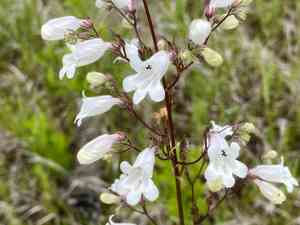
Manyflower beardtongue (Penstemon multiflorus)
Also known as: Many-flowered Beardtongue, Sandhill Beardtongue
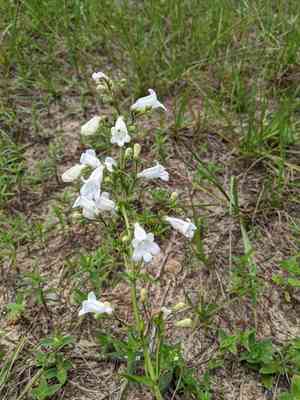
The plant in question is the manyflower beardtongue (Penstemon digitalis). This perennial boasts tall, graceful spikes covered with numerous tubular white flowers. Its striking blooms attract pollinators such as bees and hummingbirds, making it an asset to local ecosystems. With lance-shaped leaves and a robust adaptability to different soil types, it is an excellent choice for borders and wildflower gardens, combining durability with visual appeal.
In This Article
Attributes of Manyflower beardtongue
Lifespan
Perennial
Plant Type
Herb
Plant Height
30 cm to 91 cm
Spread
1 to 2 feet (0.3 to 0.6 meters)
Leaf Color
Green
Flower Size
0.5 to 1 inch (1.2 to 2.5 cm)
Flower Color
White to pale lavender
Images of Manyflower beardtongue
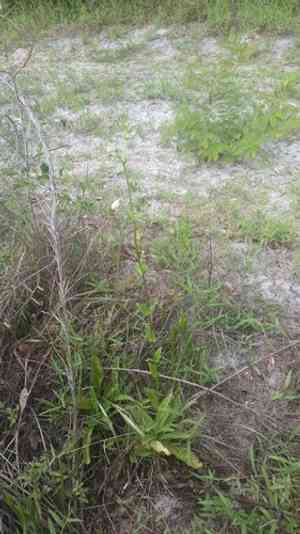
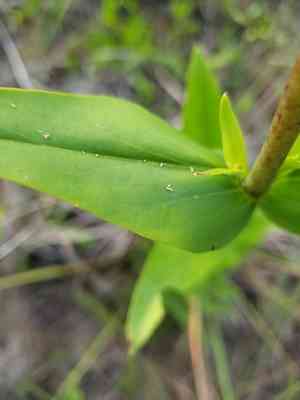
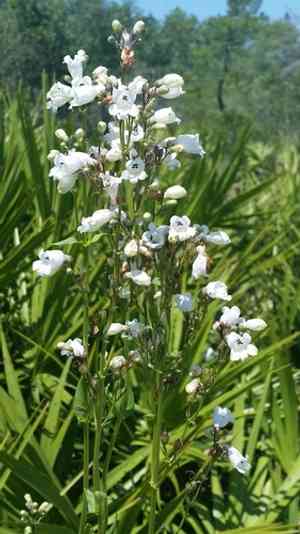
Quickly Identify Manyflower beardtongue
1
Penstemon multiflorus can be identified by its erect flowering stalks, opposite lance-shaped leaves, and its tubular flowers arranged in clusters. The flowers have a distinctive beard-like staminode, giving rise to the common name \'beardtongue.\'
Scientific Classification of Manyflower beardtongue
Phylum
Vascular plants
Class
Dicotyledons
Order
Lamiales
Family
Plantain
Genus
Penstemon
Species
Manyflower beardtongue
Planting and Growing of Manyflower beardtongue
Care Difficulty
Easy
Watering Schedule
Every 4 days
Sunlight Requirements
Full sun
Sunshine Duration
4-6 hours
Ideal Temperature
65-75℉
Soil Type
Potting Mix, Peat Mix
Soil pH
6.5-7.5
Fertilizer Type
Balanced
Pruning Season
Spring, Summer
Pruning Area
Branches, Leaves
Pruning Frequency
2 times a year
Repotting Season
Spring
Pot Type
Plastic, Ceramic
 How to Water Manyflower beardtongue?
When it comes to watering Penstemon multiflorus, the key is moderation. You should aim to thoroughly soak the soil each time you water, ensuring the moisture reaches the roots without saturating the soil completely. This typically means applying approximately 200 milliliters of water, allowing it to seep in slowly and deeply.
What are the symptoms of an underwatered Manyflower beardtongue?
›
What should I do if my Manyflower beardtongue is not getting enough water?
›
What are the symptoms of an overwatered Manyflower beardtongue?
›
How to save an overwatered Manyflower beardtongue?
›
 What Are the Sunlight Requirements for Manyflower beardtongue?
Penstemon multiflorus thrives under full sun for 6-8 hours daily. This exposure boosts vigorous growth and maximum flowering potential by enhancing its photosynthetic process.
What is the best location for my Penstemon multiflorus?
›
How to optimize light exposure throughout the day?
›
Importance of maintaining ideal light?
›
 What Is the Ideal Temperature Range for Manyflower beardtongue?
Penstemon multiflorus thrives best in temperatures ranging from 65°F to 75°F. This range ensures optimal enzyme activity, promoting efficient photosynthesis and growth. Providing this temperature range helps mimic their natural habitat conditions, ensuring robust flowering and foliage development.
 What Soil is Best for Manyflower beardtongue?
Penstemon multiflorus thrives in well-draining soil because excess moisture can lead to root rot. Utilizing sandy loam helps ensure adequate drainage while also providing necessary nutrients for healthy growth. While Penstemon multiflorus is not particularly demanding, it does benefit from moderately fertile soil. This allows the plant to develop strong root systems and vibrant flowers without becoming overly reliant on fertilization. A soil pH of 6.5 to 7.5 is ideal for Penstemon multiflorus. This range helps in nutrient absorption without causing nutrient lockout, fostering robust growth and vibrant flowering.
 How to Fertilize Manyflower beardtongue?
For Penstemon multiflorus, apply a balanced liquid fertilizer at half the recommended strength. This plant prefers light feedings, so avoid over-fertilizing, which can stress the plant and affect its growth.
 How to Prune Manyflower beardtongue?
Begin by identifying any dead or diseased stems and remove them completely. Once the deadwood is cleared, move on to any leggy or overly long stems to encourage a bushier growth habit. Cut these back to a set of leaves, which helps direct the plant's energy into producing more blooms. Make all cuts at a 45-degree angle to facilitate better water runoff and reduce rot risk. Always use sharp, sterilized pruning shears to prevent disease spread. Pruning this perennial is not only about removing dead parts but also about shaping for aesthetic purposes. Trim the outer edges to encourage upward and lateral growth. This promotes a fuller plant that will fill out its space nicely and support more blooming stems. Focus on creating a balanced look that complements the surrounding plants in your garden.
More About Pruning Techniques→
 How to Propagate Manyflower beardtongue plant?
1
Collect seeds after the flowering period, once seed pods have dried on the plant. Carefully extract seeds to avoid damage. Store them in a cool, dry place until ready for sowing.
2
Fill a seed tray with a light potting mix, press seeds into the surface, and cover with a thin layer of sand or vermiculite. Maintain consistent moisture and warmth until germination occurs.
3
Select healthy stems of 4-6 inches in length. Make a clean cut just below a node, remove lower leaves, and dip in rooting hormone. Plant cuttings in a pot with a mixture of perlite and peat moss.
 How to Repot Manyflower beardtongue plant?
1
Penstemon multiflorus should be repotted when it outgrows its current container, indicated by roots emerging from the drainage holes or stunted growth. Spring is the optimal time to repot as the plant is entering its active growth period, allowing for quick recovery and adaptation to the new pot.
2
Select a pot that is one to two inches larger in diameter than the current one. Ensure it has ample drainage holes to prevent root rot. This prevents overwatering and allows the plant enough space to grow without being oversized, ensuring stability and health.
3
Opt for a well-draining, sandy loam mix to mimic Penstemon multiflorus's natural habitat. This type of soil will support healthy root development by preventing waterlogging and providing essential aeration, crucial for the plant’s resilience and continuous growth.
Learn More About Manyflower beardtongue Diseases
Anthracnose
Bacterial Leaf Spot
Bacterial Wilt
Black Spot
Chemical Injury
Crown Gall
Cyst Nematode
Damping-off
Downy Mildew
Drought Stress
Fusarium Wilt
Gray Mold
Leaf Curl
Leaf Spot
Mosaic
Nutrient Deficiency
Nutrient Toxicity
Powdery Mildew
Root Rot
Root-knot Nematode
Rusts
Sooty Mold
Spider Mites
Temperature Stress
Thrips Damage
White Mold



