The Manyflower beardtongue Plant Advantage: Maximizing Home and Office Appeal and Wellness
1
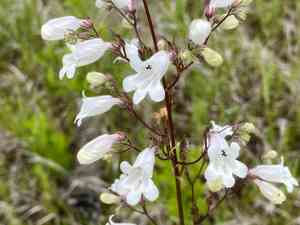
Manyflower beardtongue, a native species, flourishes across diverse soil conditions.
2
This plant is recognized for its vivid blooms and simple care requirements.
3
Manyflower beardtongue has the ability to draw helpful pollinators such as bees and butterflies into your outdoor space.
Why Cultivate Manyflower Beardtongue?
Minimal Upkeep Needs
Manyflower beardtongue is exceptionally simple to maintain, making it a superb option for both new and seasoned gardeners. This plant needs little watering once settled, and it can flourish in various soil types, including sandy and rocky. Furthermore, Manyflower beardtongue is quite disease-resistant, lessening the need for chemical treatments.
Aesthetically Pleasing
The plant is well-known for its striking floral displays, which can range in hue from pale blue to deep purple. These blossoms not only boost your garden's visual appeal but also establish a focal point that can be admired throughout the growing season.
How Does Manyflower Beardtongue Benefit the Environment?
Draws in Pollinators
Manyflower beardtongue acts as a magnet for pollinators such as bees, butterflies, and hummingbirds. Its tubular flowers are especially attractive to these creatures, supplying them with vital nectar and assisting in the pollination of other plants in your garden.
Supports Local Ecosystems
By planting indigenous species like Manyflower beardtongue, you contribute to the health and variety of local ecosystems. These plants offer habitats and food sources for diverse wildlife, from insects to birds, fostering biodiversity in your region.
What Are the Soil and Light Requirements for Manyflower Beardtongue?
Flexible Soil Conditions
Manyflower beardtongue can adapt to a range of soil types, making it a versatile addition to any garden. While it prefers well-draining soil, it can also endure less-than-ideal conditions, such as clay or sandy soils. This adaptability makes it a robust choice for various landscaping needs.
Optimal Light Conditions
This plant thrives in full sunlight but can tolerate partial shade. When planning your garden layout, position Manyflower beardtongue in areas where it can receive at least six hours of direct sunlight daily for optimal growth and blooming.
Can Manyflower Beardtongue Be Used in Landscaping?
Diverse Landscaping Applications
Manyflower beardtongue is an excellent option for various landscaping uses. Whether you're aiming to create a naturalistic meadow, a rock garden, or a mixed perennial border, this plant can add visual interest and ecological value. Its upright growth habit and clump-forming nature make it easy to integrate into different garden designs.
Erosion Control
Thanks to its deep root system, Manyflower beardtongue can help stabilize soil and prevent erosion. This makes it a practical choice for planting on slopes or in areas prone to soil erosion. By incorporating this plant into your landscape, you can enhance soil quality and reduce the risk of erosion-related issues.
How to Plant and Care for Manyflower Beardtongue?
Planting Guidelines
For best outcomes, plant Manyflower beardtongue in the spring or fall when temperatures are moderate. Dig a hole that is twice the width of the root ball and of equal depth. Place the plant in the hole, fill with soil, and water thoroughly. Mulch around the base of the plant to retain moisture and suppress weeds.
Ongoing Maintenance
Once established, Manyflower beardtongue requires minimal care. Water the plant during extended dry periods and remove spent flowers to encourage new blooms. Prune dead or damaged stems in early spring to promote vigorous growth.
What Are the Potential Difficulties?
Pests and Diseases
Although Manyflower beardtongue is relatively resistant to pests and diseases, it can occasionally be affected by aphids or powdery mildew. Regular monitoring and prompt action, such as using insecticidal soap or removing affected leaves, can help keep these issues in check.
Weather Extremes
While Manyflower beardtongue is hardy, extreme weather conditions like prolonged drought or severe frost can stress the plant. Protecting it with mulch during winter and providing supplementary water during drought can help alleviate these challenges.



