How to Prune Eastern smooth beardtongue?
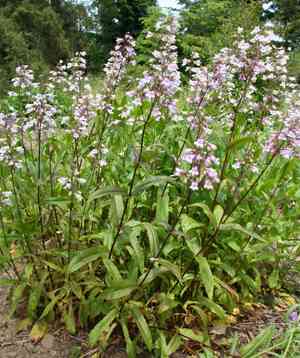
Eastern smooth beardtongue, a perennial featuring tubular blossoms and lance-like leaves, thrives with the removal of spent flowers following its initial bloom. This practice stimulates a subsequent flowering period and preserves its neat look. The most effective time for trimming is in late spring or early summer. Trimming back faded flower stalks to the foundational leaves enhances robustness and can deter unwanted self-propagation. Refrain from extensive cutting in autumn to safeguard the fresh buds designated for the subsequent growing season. Trimming is crucial for the plant's well-being and visual appeal.
What Are the Benefits of Pruning Eastern Smooth Beardtongue?
What Are the Benefits of Pruning Eastern Smooth Beardtongue?
Trimming eastern smooth beardtongue promotes fresh growth and helps maintain its form, resulting in a denser, stronger plant. Strategic cuts can revitalize eastern smooth beardtongue, leading to vigorous development and an attractive appearance.
What Is the Best Time for Pruning Eastern Smooth Beardtongue?
What Is the Best Time for Pruning Eastern Smooth Beardtongue?
During late spring and early summer, eastern smooth beardtongue enters an active growth phase once frost danger has passed, making this the optimal time for trimming. Pruning during this period encourages healthy development and abundant flowering, as the plant emerges from dormancy and begins to produce new shoots. Trimming before significant new growth can lead to the loss of potential flowers, as eastern smooth beardtongue blooms on the current year's growth. Summer pruning after blooming can help shape the plant and remove faded flower spikes, fostering a more compact shape and potentially a second, albeit lighter, bloom period. Avoid pruning in late summer, fall, or winter, as this can stimulate new growth that may not harden off before cold weather, resulting in frost damage.
What Tools Do I Need to Prune Eastern Smooth Beardtongue?
Bypass pruners
Perfect for making clean, precise cuts on eastern smooth beardtongue's stems, bypass pruners are designed to cut live plant material without crushing delicate tissues. Eastern smooth beardtongue has relatively soft stems, so the sharp, scissor-like action of bypass pruners provides a healthy cut that promotes good plant health.
Gardening gloves
Protective gloves are essential when handling eastern smooth beardtongue, as they shield the gardener's hands from scratches and ensure a firm grip on the pruning tool. Additionally, gloves keep hands clean and prevent the spread of pests or diseases between plants.
Garden shears
For shaping and trimming larger sections of eastern smooth beardtongue, garden shears are effective. They are particularly useful during eastern smooth beardtongue's active growing season when maintaining the desired shape and controlling its size is necessary.
Pruning saw
In instances where eastern smooth beardtongue has developed thicker woody stems or is an older specimen, a small pruning saw may be required. It allows the gardener to remove larger stems without harming surrounding plant tissue.
How to Prune Eastern Smooth Beardtongue
Deadheading
Identify the faded blooms on eastern smooth beardtongue that are wilting and no longer aesthetically pleasing. Using clean, sharp pruning shears, snip the flower stems just above the first set of healthy leaves beneath the dead flowers. This encourages eastern smooth beardtongue to produce more blooms and maintains its attractive appearance.
Stem trimming
Examine eastern smooth beardtongue for any damaged or diseased stems. Look for stems that are broken, discolored, or showing signs of rot or pest damage.
Clean cut
Using sterilized pruning shears, make a clean cut to remove the damaged stems. Cut just above a leaf node or a lateral shoot where healthy growth is present. Ensure the cut is clean and angled to prevent water from accumulating on the cut surface and to promote quick healing.
Disposal
Carefully gather and discard all dead flowers and damaged stem material removed from eastern smooth beardtongue. Do not leave debris around the plant base as it may harbor pests or diseases that can affect eastern smooth beardtongue.
Wound inspection
After pruning, inspect the cuts on eastern smooth beardtongue for any signs of fraying or tearing. Smooth out any jagged edges with your pruning shears to prevent disease entry and promote faster healing.
Common Pruning Mistakes with Eastern Smooth Beardtongue
Over-pruning
Removing too much foliage from eastern smooth beardtongue can weaken the plant, reduce its blooms, and make it more susceptible to diseases.
Cutting into old wood
Pruning eastern smooth beardtongue into the old, woody stems may prevent new growth as this plant typically responds best to cuts made in the green, newer growth.
Improper tool use
Using dull or unclean pruning tools can cause jagged cuts that make eastern smooth beardtongue susceptible to pests and diseases.
Pruning at wrong angle
Incorrectly angled cuts can create a larger wound surface on eastern smooth beardtongue, hindering healing and increasing the risk of disease entry.
Neglecting to deadhead
Failing to remove spent flowers, a process known as deadheading, can reduce the vigor and blooming potential of eastern smooth beardtongue.
Ignoring plant shape
Cutting without considering the natural shape of eastern smooth beardtongue can lead to an unbalanced, unattractive form.
Excessive caution
Not pruning at all or being overly cautious can lead to a leggy and sparse eastern smooth beardtongue, diminishing its ornamental value.
Common Pruning Tips for Eastern Smooth Beardtongue
Choose correct time
Pruning eastern smooth beardtongue after flowering encourages new growth and increases the chances of a robust bloom cycle for the following season.
Focus on dead or weak stems
Prioritize removing dead, dying, or weak stems to improve air circulation and overall health of eastern smooth beardtongue.
Use sharp tools
Always use sharp, clean pruning shears to make clean cuts on eastern smooth beardtongue that will heal quickly and resist disease.
Cut at appropriate angle
Make cuts on eastern smooth beardtongue at a 45-degree angle, about 1/4 inch above an outward-facing bud, to promote healthy regrowth.
Deadhead regularly
Remove spent blooms of eastern smooth beardtongue frequently to encourage repeated blooming throughout the growing season.
Maintain natural form
When shaping eastern smooth beardtongue, follow its natural growth pattern to maintain an appealing aesthetic.
Balanced thinning
Thin out crowded areas on eastern smooth beardtongue to promote light penetration and air circulation, enhancing the plant's vigor.



