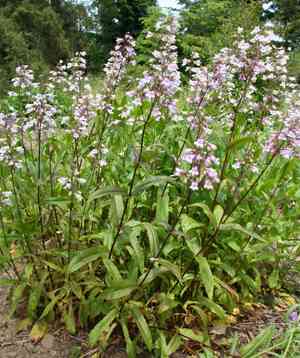
Eastern smooth beardtongue (Penstemon laevigatus)
Also known as: Smooth beardtongue, Eastern Smooth Penstemon, Hairy Penstemon
Eastern smooth beardtongue (Penstemon laevigatus) is a native flowering plant found in the eastern United States. It naturally occurs in states such as Pennsylvania, New York, Maryland, Virginia, North Carolina, South Carolina, Georgia, and Alabama. This plant thrives in various light conditions, from full sun to partial shade.
In This Article
Attributes of Eastern smooth beardtongue
Lifespan
Perennial
Plant Type
Herb
Plant Height
30 cm to 61 cm
Spread
60 cm to 90 cm
Leaf Color
Green
Flower Size
2.5 cm to 5 cm
Flower Color
White Purple
Images of Eastern smooth beardtongue
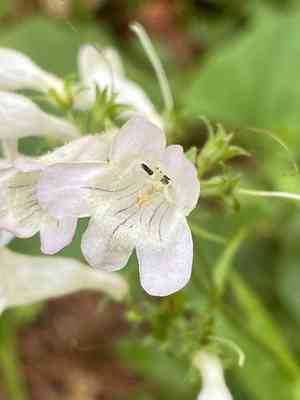
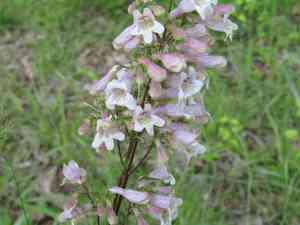
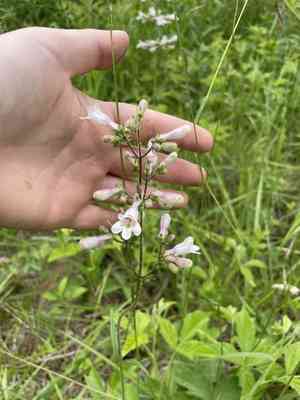
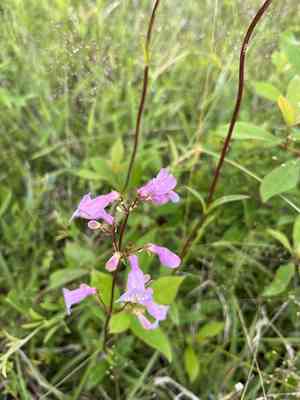
Quickly Identify Eastern smooth beardtongue
1
Opposite, toothed leaves with hairy undersides.
2
Purplish-white tubular flowers in clusters, hairy lower lip.
3
Lance-shaped leaves measuring 2-4 inches (5-10 cm).
4
Pale purple to white tubular flowers, 1-2 inches (2.5-5 cm) long.
5
Dry capsules, 0.2 inches (5 mm) long, releasing tiny seeds.
Scientific Classification of Eastern smooth beardtongue
Phylum
Vascular plants
Class
Dicotyledons
Order
Lamiales
Family
Plantain
Genus
Penstemon
Species
Eastern smooth beardtongue
Planting and Growing of Eastern smooth beardtongue
Care Difficulty
Easy
Watering Schedule
Every 8 days
Sunlight Requirements
Partial sun
Sunshine Duration
4-8 hours
Ideal Temperature
65-75℉
Soil Type
Potting Mix, Peat Mix
Soil pH
6.5-7.5
Fertilizer Type
Balanced
Pruning Season
Spring, Summer
Pruning Area
Branches, Leaves
Pruning Frequency
Once a year
Repotting Season
Spring
Pot Type
Plastic, Terracotta
 How to Water Eastern smooth beardtongue?
Penstemon laevigatus prefers to be kept moist but not waterlogged. When watering, ensure that the soil is consistently damp to a depth of several inches. Use approximately 250 milliliters of water to achieve this condition. The key is to provide sufficient moisture without causing water to pool around the roots.
What are the symptoms of an underwatered Eastern smooth beardtongue?
›
What should I do if my Eastern smooth beardtongue is not getting enough water?
›
What are the symptoms of an overwatered Eastern smooth beardtongue?
›
How to save an overwatered Eastern smooth beardtongue?
›
 What Are the Sunlight Requirements for Eastern smooth beardtongue?
Penstemon laevigatus prefers partial sun, benefitting from 4 to 6 hours of sunlight. This balance supports healthy growth, vibrant blooms, and prevents leaf scorching.
More About Sunlight Requirements Techniques→
What is the ideal light condition for Penstemon laevigatus?
›
How to achieve ideal light conditions for this plant?
›
What are the benefits of achieving ideal light for the plant?
›
 What Is the Ideal Temperature Range for Eastern smooth beardtongue?
Penstemon laevigatus thrives well in temperatures ranging from 65°F to 75°F. This ideal temperature range ensures optimal physiological processes, including photosynthesis and nutrient absorption. Consistent temperatures within this range will promote vigorous growth and flowering.
 What Soil is Best for Eastern smooth beardtongue?
Penstemon laevigatus thrives in well-drained soil to prevent root rot. This encourages healthier root development and ensures the plant has access to adequate oxygen. Rich soil provides necessary nutrients for Penstemon laevigatus growth, resulting in lush foliage and vibrant flowers. Adding organic matter like compost improves soil fertility. Although well-drained, the soil should retain some moisture to support the plant's growth. Balanced moisture levels help sustain the plant during dry spells without over-saturating it.
 How to Fertilize Eastern smooth beardtongue?
Penstemon laevigatus requires moderate fertilization. Use approximately half the recommended amount for general perennials, as over-fertilization can lead to excessive foliage at the expense of flowers. A balanced 10-10-10 liquid fertilizer is ideal, diluted to half strength according to package instructions. For slow-release fertilizers, choose a general-purpose formula and follow label instructions, applying sparingly.
 How to Prune Eastern smooth beardtongue?
Start by assessing the plant's overall structure. Identify dead or unhealthy stems, which should be the first targets for removal to encourage new growth and vigor. Begin with the outer stems and work your way inwards, removing any damaged or crossing branches. Trim back leggy growth to enhance the plant's bushiness, making sure to cut just above a leaf node to encourage branching. Post-pruning, apply a balanced fertilizer to support recovery and growth. Also, ensure the plant is adequately watered, especially during the active growing seasons of spring and summer.
More About Pruning Techniques→
 How to Propagate Eastern smooth beardtongue plant?
1
Begin by collecting mature seeds from the Penstemon laevigatus plant. Clean and dry the seeds thoroughly before storing them in a cool, dry place until planting in early spring.
2
Select healthy, non-flowering stems for cuttings. Cut a 4-6 inch section below a leaf node. Remove lower leaves to expose nodes, which encourages root growth once planted.
3
During early spring, carefully dig up established Penstemon clumps. Divide the root mass into smaller sections, ensuring each has sufficient roots and shoots, then replant immediately.
 How to Repot Eastern smooth beardtongue plant?
1
Penstemon laevigatus typically needs repotting when you notice roots visibly growing through the drainage holes or circling on the soil surface, indicating a crowded root system. Spring is the best time for repotting as the plant is entering its active growth phase, allowing roots to establish in fresh soil before the blooming season.
2
Select a pot that is one size larger than the current one to allow adequate space for root expansion. The pot should have good drainage holes to prevent waterlogging, which can lead to root rot. A slightly wider than deep pot can help accommodate the sprawling nature of Penstemon's roots and help in maintaining soil aeration.
3
Opt for well-draining, sandy loam soil which mimics Penstemon’s natural habitat. This type of soil allows for proper drainage, reducing the risk of root rot while providing the needed aeration for healthy root growth. Adding organic compost can enhance the nutrient content for better plant development.
Learn More About Eastern smooth beardtongue Diseases
Anthracnose
Bacterial Leaf Spot
Bacterial Wilt
Chemical Injury
Crown Gall
Cyst Nematode
Damping-off
Downy Mildew
Drought Stress
Fusarium Wilt
Gray Mold
Leaf Spot
Mosaic
Nutrient Deficiency
Nutrient Toxicity
Powdery Mildew
Root Rot
Root-knot Nematode
Rusts
Sooty Mold
Spider Mites
Temperature Stress
Thrips Damage
White Mold



