How to Overwinter Eastern smooth beardtongue
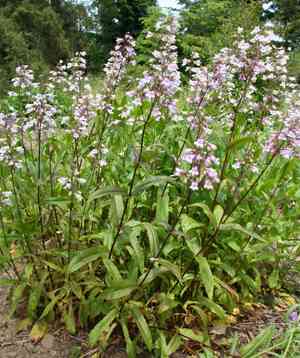
1
Eastern smooth beardtongue is a cold-tolerant plant, though it may benefit from extra winter safeguarding.
2
Appropriate mulching helps insulate roots and maintain soil moisture in colder periods.
3
Regular observation throughout winter can avert significant harm from insects and temperature swings.
Why Overwinter Eastern smooth beardtongue?
Why Overwinter Eastern smooth beardtongue?
Overwintering Eastern smooth beardtongue is crucial for its robust growth and abundant flowering in the subsequent growing season. While this plant tolerates frost, it benefits from additional winter care to shield it from harsh weather. By overwintering your Eastern smooth beardtongue, you help it conserve energy, ensuring it returns stronger and healthier in spring.
Preparing Eastern smooth beardtongue for Winter
Soil Preparation
Firstly, ensure the soil surrounding your Eastern smooth beardtongue drains effectively. Poor drainage can lead to waterlogged roots, making them prone to rot in cold months. Enhance soil structure and drainage by incorporating organic matter like compost or well-rotted manure. This ensures roots receive sufficient nutrients and oxygen during winter dormancy.
Pruning and Cleaning
Pruning your Eastern smooth beardtongue is vital before winter arrives. Remove any dead or diseased branches and spent blooms to minimize pest and disease risks. Clear away fallen leaves or plant debris from the plant's base to deter pests and fungal issues. This cleanup also improves air circulation, further protecting the plant.
Mulching
Mulching is essential for safeguarding the roots of your Eastern smooth beardtongue from low temperatures. Apply a 5-7 cm (2-3 inch) layer of organic mulch, such as shredded bark, straw, or leaf mold, around the plant's base. This insulation helps maintain soil temperature and moisture. Keep the mulch a few centimeters (about an inch) away from the stem to prevent rot.
How to Protect Eastern smooth beardtongue from Frost
Covering Techniques
Covering your Eastern smooth beardtongue offers an extra layer of defense against frost. Use burlap sacks, horticultural fleece, or even old bed sheets to cover plants when frost is anticipated. These coverings trap warmth and prevent frost from directly settling on foliage, reducing the chance of cold damage.
Using Frost Blankets
Frost blankets are another excellent choice for protecting your Eastern smooth beardtongue from cold. These specialized blankets are thicker and provide more insulation than standard garden covers. Place the frost blanket over your plants, securing it with stakes or stones to prevent it from blowing away. This method is especially useful for young or less-established plants that are more susceptible to frost.
Monitoring Eastern smooth beardtongue During Winter
Checking Soil Moisture
Regularly check the soil moisture levels around your Eastern smooth beardtongue throughout the winter. The soil should be damp but not saturated. Water the plant sparingly during dry periods, ensuring it receives just enough moisture to survive without encouraging root rot. This is particularly important during winter thaws when the ground might become excessively dry.
Inspecting for Pests
Winter can sometimes bring about pest issues. Periodically inspect your Eastern smooth beardtongue for signs of pests like slugs, snails, or even rodents that might seek refuge in the mulch or plant debris. Remove any pests promptly to prevent them from harming the plant.
What to Do if Eastern smooth beardtongue Experiences Winter Damage?
Assessing Damage
If your Eastern smooth beardtongue suffers winter damage, the initial step is to evaluate the extent of the harm. Look for indicators such as blackened foliage, brittle stems, or mushy roots. Note which plant parts are affected to determine the best recovery strategy.
Steps to Recovery
Once damage is assessed, take immediate action to help your Eastern smooth beardtongue recover. Prune away any damaged or dead plant parts to stimulate new growth. Apply a balanced, slow-release fertilizer in early spring to provide essential nutrients. Ensure the plant receives adequate water and sunlight as the weather warms. With proper care, your Eastern smooth beardtongue should rebound and flourish again.



