How to Prune Broadbeard beardtongue?
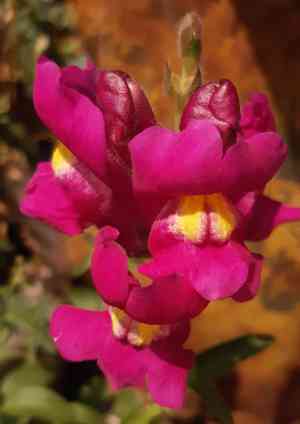
Distinguished by its slender foliage and pipe-shaped blue to violet blooms, broadbeard beardtongue flourishes with appropriate trimming. Remove faded flowers to stimulate further blossoming and preserve visual appeal. Trim in early spring to foster robust new development. An optional summer trim can manage its dimensions and enhance air circulation, diminishing the likelihood of ailments. Trimming during the designated periodsâspring and summerâcorresponds with broadbeard beardtongue's developmental phases and maximizes its well-being.
What Are the Benefits of Pruning Broadbeard Beardtongue?
What Are the Benefits of Pruning Broadbeard Beardtongue?
Trimming broadbeard beardtongue promotes robust development and maintains its form. Eliminating dead or congested stems enhances air circulation and minimizes disease, ensuring a healthier, more visually appealing plant.
What Is the Best Time for Pruning Broadbeard Beardtongue?
What Is the Best Time for Pruning Broadbeard Beardtongue?
Pruning broadbeard beardtongue during spring and early summer is optimal due to several reasons. This period aligns with the plant's active growth, allowing for quick recovery and regrowth post-pruning. Early trimming also aids in shaping the plant and managing its size more effectively, ensuring broadbeard beardtongue maintains a compact and attractive form. Furthermore, removing spent flowers during these seasons encourages broadbeard beardtongue to produce a second bloom, boosting its flowering performance. By trimming at these times, gardeners ensure the health of broadbeard beardtongue by removing dead or damaged parts, thereby reducing disease and pest risks.
What Tools Do I Need to Prune Broadbeard Beardtongue?
Bypass Pruners
Perfect for making clean, precise cuts on broadbeard beardtongue, aiding in plant health and appearance. These pruners are effective for snipping stems and deadheading spent flowers without harming surrounding foliage.
Gardening Shears
Useful for shaping broadbeard beardtongue by evenly trimming its foliage. They are suitable for managing the plant's form, encouraging bushier growth and preventing it from becoming leggy.
Pruning Saw
Recommended for removing thicker, woody stems that bypass pruners cannot handle. This ensures older stems can be efficiently removed to encourage new growth and airflow within broadbeard beardtongue.
How to Prune Broadbeard Beardtongue
Identify
Locate and evaluate all diseased leaves and stems on broadbeard beardtongue. Look for any signs of discoloration, spots, or decay indicating illness, as well as leaves that have lost vitality and appear withered.
Disinfect
Before beginning the pruning process, sanitize your pruning shears with a solution of 1 part bleach to 9 parts water to prevent disease transmission between plants.
Cut diseased parts
Carefully remove all diseased leaves and stems by making clean cuts at the base of each affected part. Ensure cuts are precise to avoid damaging the healthy portions of broadbeard beardtongue.
Remove withered leaves
Next, prune all withered or dead leaves. These are typically easy to distinguish from healthy leaves due to their dried and lifeless appearance. Removing them helps direct broadbeard beardtongue's energy towards new growth and healthier leaves.
Clean up
Clear away all removed plant material from around broadbeard beardtongue to prevent disease spread through fallen debris. Dispose of diseased parts properly, ideally by burning or through sealed garbage disposal to minimize infection risks.
Common Pruning Mistakes with Broadbeard Beardtongue
Overpruning
A frequent error when trimming broadbeard beardtongue is removing too much growth. This can shock the plant, leading to reduced vigor and sparse flowering. Ideally, only about one-third of the plant should be cut back to prevent stunting its development.
Improper cutting technique
Using dull or dirty pruning tools can damage the stems of broadbeard beardtongue, leading to jagged cuts that heal poorly and may become susceptible to disease. Always use sharp, clean shears to make clean, angled cuts.
Pruning at the wrong growth stage
Cutting back broadbeard beardtongue when new shoots are emerging can disrupt its growth cycle. It's essential to prune at a stage that does not interfere with the emergence of new shoots and flowering.
Common Pruning Tips for Broadbeard Beardtongue
Promote flowering
To encourage abundant blooms, trim the spent flower spikes of broadbeard beardtongue as soon as they begin to fade. This prevents the plant from expending energy on seed production and instead promotes the development of new blooms.
Shape maintenance
To maintain an attractive shape and size, lightly trim back the outermost growth of broadbeard beardtongue to enhance its natural form. This not only keeps the plant tidy but also stimulates new growth from the base, helping to rejuvenate older plants.
Health and air circulation
Remove any dead, damaged, or crowded stems from broadbeard beardtongue to improve air circulation and light penetration within the foliage. These measures help prevent disease outbreaks and promote a healthier, more vibrant plant.



