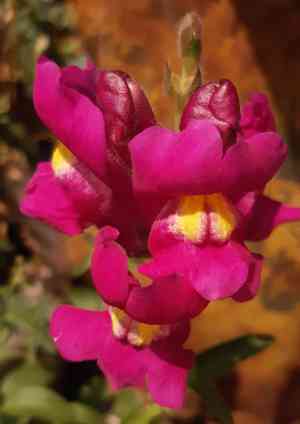
Broadbeard beardtongue (Penstemon angustifolius)
Also known as: Narrowleaf Penstemon, Narrow-leaved Beardtongue
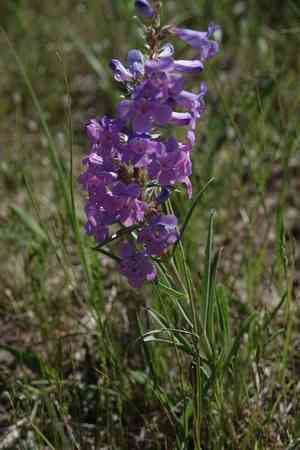
This perennial herb features thick, waxy, gray-green stems that can reach a height of 61 cm. Its flowers, appearing in shades of pink and purple, are known to attract hummingbirds.
In This Article
Attributes of Broadbeard beardtongue
Lifespan
Perennial
Plant Type
Herb, Shrub
Plant Height
0 mm to 30 cm
Spread
1 to 1.5 feet
Leaf Color
Green
Flower Size
0.5 to 1 inch
Flower Color
Blue, Purple
Images of Broadbeard beardtongue
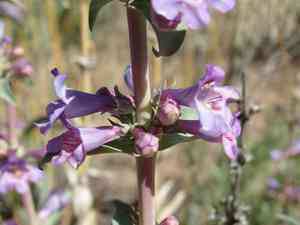
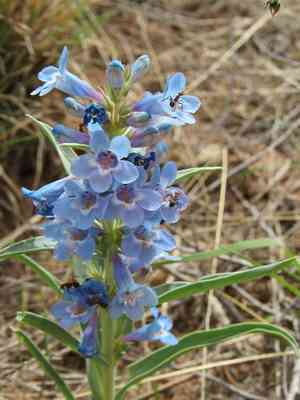
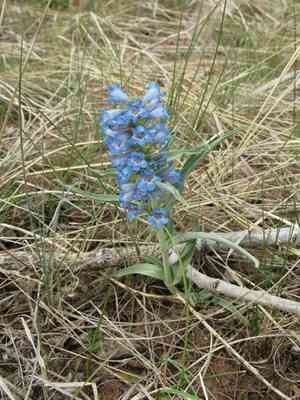
Quickly Identify Broadbeard beardtongue
1
Look for slender, narrow leaves and tubular flowers that range from blue to purple. The plant typically grows erect and has a woody base. Flowers are arranged on a spike, and the plant has a characteristic beard-like structure inside the flower.
Scientific Classification of Broadbeard beardtongue
Phylum
Vascular plants
Class
Dicotyledons
Order
Lamiales
Family
Plantain
Genus
Penstemon
Species
Broadbeard beardtongue
Planting and Growing of Broadbeard beardtongue
Care Difficulty
Easy
Watering Schedule
Every 4 days
Sunlight Requirements
Full sun
Sunshine Duration
10-12 hours
Ideal Temperature
68-77℉
Soil Type
Potting Mix, Peat Mix
Soil pH
6.5-7.5
Fertilizer Type
Balanced
Pruning Season
Spring, Summer
Pruning Area
Branches, Leaves
Pruning Frequency
2 times a year
Repotting Season
Spring
Pot Type
Ceramic, Plastic
 How to Water Broadbeard beardtongue?
For Penstemon angustifolius, it's vital to water thoroughly but infrequently. It prefers soil that dries out slightly between waterings, mimicking its natural arid habitat. Aim for about 250ml of water per session.
What are the symptoms of an underwatered Broadbeard beardtongue?
›
What should I do if my Broadbeard beardtongue is not getting enough water?
›
What are the symptoms of an overwatered Broadbeard beardtongue?
›
How to save an overwatered Broadbeard beardtongue?
›
 What Are the Sunlight Requirements for Broadbeard beardtongue?
Penstemon angustifolius ideally requires full sun exposure, which provides the necessary energy for optimal blossoming and robust health, reinforcing its resilience to pests and diseases.
What is the best light exposure for Penstemon angustifolius?
›
How to achieve optimal light for Penstemon angustifolius?
›
Benefits of ideal lighting conditions for Penstemon angustifolius?
›
 What Is the Ideal Temperature Range for Broadbeard beardtongue?
The ideal temperature range for growing Penstemon angustifolius is between 68°F and 77°F. This range supports optimal photosynthesis, leading to healthy foliage and vibrant blooms.
 What Soil is Best for Broadbeard beardtongue?
Penstemon angustifolius thrives in well-drained soils which prevent waterlogging detrimental to the plant. This characteristic helps to maintain healthy root systems, reducing the risk of root rot and promoting vigorous growth. This plant prefers soils with moderate fertility levels. Soils rich in organic matter provide essential nutrients, supporting robust blooming and maintaining the plant's innate resistance to pests and diseases. Soils with low water retention are ideal for Penstemon angustifolius. Such soils ensure excess water drains away swiftly, preventing overhydration and allowing the plant to thrive in conditions similar to its natural arid habitat.
 How to Fertilize Broadbeard beardtongue?
For Penstemon angustifolius, it's essential to apply a balanced fertilizer at a moderate rate. A 10-10-10 liquid fertilizer diluted to half strength is ideal for each application. For slow-release fertilizers, use a granular type at a rate of about 1 pound per 100 square feet once in early spring.
 How to Prune Broadbeard beardtongue?
Start by sterilizing your pruning shears to prevent disease spread. In early spring, cut back any dead stems to the base to encourage new growth. Focus on thinning central branches to improve air circulation. After flowering in autumn, remove spent blooms and trim back lightly to maintain a neat shape.
More About Pruning Techniques→
 How to Propagate Broadbeard beardtongue plant?
1
Before sowing, seeds may require stratification, which involves a period of cold treatment to simulate winter conditions. This can be done by placing seeds in a moist paper towel inside a sealed plastic bag and refrigerating them for 4 to 6 weeks.
2
Prepare a well-draining soil mix using a combination of sand, peat, and perlite. This ensures adequate drainage and aeration, crucial elements for seedling and cutting development. Fill seed trays or pots with this mixture before planting.
3
Plant seeds shallowly or place cuttings on the soil surface, ensuring proper contact with the soil. Water gently to avoid dislodging seeds or cuttings. Maintain consistent moisture without waterlogging the soil to encourage growth.
 How to Repot Broadbeard beardtongue plant?
1
Penstemon angustifolius should be repotted when you notice roots starting to emerge from the drainage holes of its current pot, indicating that it is beginning to become root-bound. Additionally, if the plant seems stunted or water is not being absorbed efficiently, it might be time for a new pot.
2
Select a pot that is slightly larger than the current one, ideally 1-2 inches in diameter larger. Ensure it has appropriate drainage holes to prevent waterlogging. A pot that is too large can retain excess moisture, potentially leading to root rot, so finding the right balance is key.
3
Opt for a well-draining sandy soil mix; Penstemon angustifolius thrives in conditions that mimic its natural habitat. Such soil ensures adequate aeration and prevents water from pooling around the roots, reducing the risk of fungal infections and promoting healthy root growth.
Learn More About Broadbeard beardtongue Diseases
Anthracnose
Bacterial Leaf Spot
Bacterial Wilt
Chemical Injury
Crown Gall
Cyst Nematode
Damping-off
Downy Mildew
Drought Stress
Fusarium Wilt
Gray Mold
Leaf Curl
Leaf Spot
Mosaic
Nutrient Deficiency
Nutrient Toxicity
Powdery Mildew
Root Rot
Root-knot Nematode
Rusts
Sooty Mold
Spider Mites
Temperature Stress
Thrips Damage
White Mold



