The Broadbeard beardtongue Plant Advantage: Maximizing Home and Office Appeal and Wellness
1
Broadbeard beardtongue thrives in dry conditions, perfect for water-wise landscaping.
2
Draws in diverse pollinators, boosting ecological variety.
3
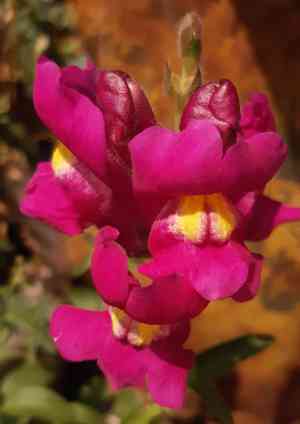
Provides beautiful, vibrant flowers that improve garden appearance.
Why Select Broadbeard Beardtongue for Your Garden?
What Makes Broadbeard Beardtongue Resistant to Drought?
A key characteristic of Broadbeard beardtongue is its remarkable drought resistance. Naturally suited to dry environments, this plant flourishes where water is scarce. It has developed features like deep root systems that allow it to access moisture from lower soil layers, ensuring survival during extended dry spells. This trait makes it an excellent choice for xeriscapingâdesigning landscapes to minimize water use.
How Does It Improve Garden Beauty?
Broadbeard beardtongue's vibrant and abundant blossoms are truly captivating. The colorful flowers come in shades of blue, pink, purple, and white, offering a burst of color during its active growth period. By incorporating Broadbeard beardtongue into your garden, you not only enhance visual appeal but also create an inviting habitat for crucial pollinators such as bees, butterflies, and hummingbirds. Its capacity to create a visually pleasing and ecologically beneficial garden environment is unmatched.
Ecological Advantages of Broadbeard Beardtongue
How Does Broadbeard Beardtongue Support Biodiversity?
Broadbeard beardtongue plays a vital role in fostering biodiversity. Its flowers are highly attractive to various pollinators, including bees, butterflies, and hummingbirds. By planting Broadbeard beardtongue, gardeners can help boost local biodiversity by providing a dependable food source for these essential species. In turn, these pollinators aid in the reproduction of other plants nearby, contributing to a balanced and flourishing ecosystem.
What Role Does Broadbeard Beardtongue Play in Soil Health?
Beyond its appeal to pollinators, Broadbeard beardtongue positively affects soil health. The plant's root system helps prevent erosion by stabilizing the soil. Furthermore, its organic matter contributions through decaying leaves and roots enrich soil fertility. This improvement in soil structure and nutrient content supports the overall health of garden ecosystems, making Broadbeard beardtongue a crucial addition to sustainable gardening practices.
Cultivating and Caring for Broadbeard Beardtongue
What Are the Optimal Growing Conditions?
Broadbeard beardtongue thrives in well-drained soil and full sun exposure. While it is drought-tolerant, ensuring proper soil drainage is essential to prevent root rot. It adapts well to various soil types, but sandy or rocky soils are particularly suitable. Watering should be moderate, especially during the initial establishment phase. Once mature, Broadbeard beardtongue requires minimal watering, reflecting its resilient nature.
How to Prune and Propagate Broadbeard Beardtongue?
Pruning Broadbeard beardtongue is straightforward and beneficial for maintaining its health and appearance. Removing spent blooms encourages more vigorous flowering and prevents disease. In late autumn, cutting back the plant prepares it for winter dormancy. Propagation is typically done using seeds or cuttings. Seeds should be sown in the fall or early spring, while stem cuttings can be rooted in a well-aerated medium to produce new plants.



