How to Prune Scentless geranium?
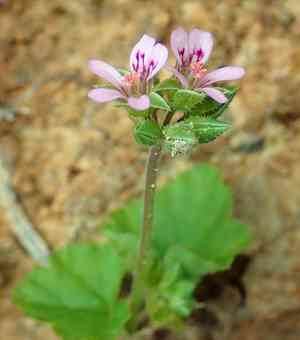
This fragrant decorative plant, frequently grown for its leaves instead of its blooms, thrives with appropriate pruning. For scentless geranium, regularly nip off the developing ends throughout its vigorous growth phase in spring and summer to foster a denser form. Removing faded flowers is generally not required, but eliminate any withered leaves or elongated stalks to preserve an appealing structure and vitality. Trimming just prior to the growing period can aid in revitalizing mature specimens. Refrain from extensive cutting in autumn or winter to avert strain during its resting phase.
Advantages of Trimming Scentless Geranium
Advantages of Trimming Scentless Geranium
Trimming scentless geranium promotes robust development and maintains its form. Eliminating old or overgrown branches encourages healthier, more vigorous growth and helps manage scentless geranium's dimensions, fostering a more attractive shape.
Optimal Period for Trimming Scentless Geranium
Optimal Period for Trimming Scentless Geranium
Trimming or cutting scentless geranium during late spring and early summer coincides with its post-dormancy growth surge. This timing allows the plant to recover swiftly and channel energy into new growth, cultivating a healthier and stronger structure. Furthermore, pruning before blooming aids in producing more flowers and encourages denser foliage. Late spring and early summer trimming also lowers the risk of pest and disease infestation, as open wounds on scentless geranium are less vulnerable to these threats in drier, warmer weather. This period avoids the intense heat of late summer, ensuring scentless geranium is not overstressed during recovery, and precedes the typical flowering season, enhancing the upcoming display.
Tools Required for Trimming Scentless Geranium
Bypass Hand Pruners
Crucial for making precise cuts on scentless geranium's stems, bypass pruners are ideal as they create clean cuts that help prevent disease.
Micro-Tip Snips
Scentless geranium may possess smaller stems and leaves that demand accuracy. Micro-tip snips can target these areas without harming adjacent stems or foliage.
Hand Shears
For shaping scentless geranium and managing its growth, hand shears offer a larger blade to assist in maintaining the desired form while efficiently cutting soft plant material.
Cleaning Cloth and Alcohol
Keeping tools sanitized is vital to prevent the spread of disease in scentless geranium. Clean the blades with cloth and alcohol after use.
How to Trim Scentless Geranium
Sanitize Tools
Before beginning, ensure all trimming tools are disinfected to prevent the spread of disease to scentless geranium.
Remove Diseased Leaves
Carefully inspect scentless geranium and use sharp pruning shears to snip off any diseased leaves at their base without damaging healthy parts.
Remove Withered Leaves
Identify and cut away all withered or yellowing leaves from scentless geranium to promote better airflow and light penetration, which can encourage new growth.
Trim Diseased Stems
Cut back any stems on scentless geranium that exhibit signs of disease, making cuts at a 45-degree angle just above a healthy leaf node to facilitate quick healing and new branching.
Cleanup
Gather and properly dispose of all trimmed material from scentless geranium, ensuring none remains on the surrounding soil to reduce the risk of disease recurrence.
Common Trimming Errors with Scentless Geranium
Excessive Trimming
Removing too much foliage or too many stems, which can weaken scentless geranium and diminish its ability to thrive.
Incorrect Cutting Technique
Cutting stems too close to the base or with a dull instrument, potentially harming the plant and hindering its growth.
Neglecting Diseased Or Dead Growth
Failing to remove unhealthy stems, which can spread disease or attract pests to scentless geranium.
Trimming For Shape Only
Focusing solely on the physical appearance rather than the health and natural structure of scentless geranium, which can lead to poor growth patterns.
General Trimming Advice for Scentless Geranium
Clean And Sharp Tools
Utilize sterilized and sharpened pruning shears to make clean cuts, helping to prevent disease and promote quick healing.
Selective Thinning
Remove only the necessary stems to improve air circulation and light penetration, which can enhance the health and aesthetics of scentless geranium.
Cutting Angle And Position
Make cuts at a 45-degree angle above a leaf node to promote healthy new growth and prevent water accumulation that could lead to rot.
Monitor Plant Health
Regularly check scentless geranium for signs of pest infestation or disease, and promptly trim affected areas to maintain overall plant vigor.



