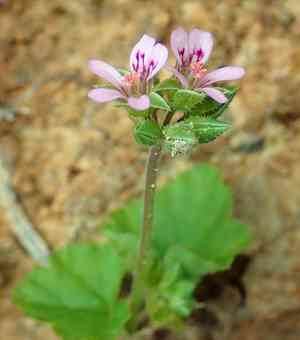
Scentless geranium (Pelargonium inodorum)
Also known as: Scentless Geranium
Scentless Geranium (Pelargonium inodorum) is an herb characterized by its hairy stem and small clusters of flowers. It thrives in diverse environments such as rocky areas, forests, and woodlands. Blooming mainly from spring to autumn, its flowers can be red, pink, or white.
In This Article
Attributes of Scentless geranium
Lifespan
Perennial, Annual
Plant Type
Herb
Plant Height
50 cm
Spread
70 cm
Leaf Color
Green
Flower Size
4 mm to 8 mm
Flower Color
White Purple Pink
Images of Scentless geranium
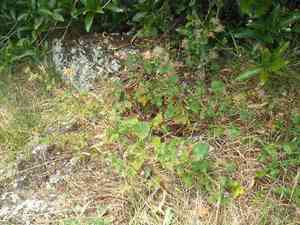
Quickly Identify Scentless geranium
1
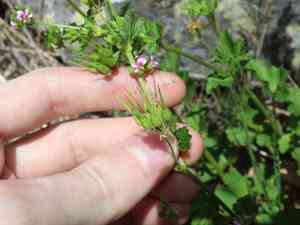
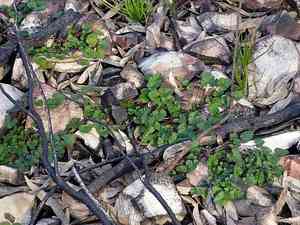
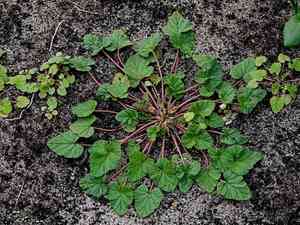
Pelargonium inodorum can be identified by its herbaceous growth habit, deeply lobed leaves, and small, white to pale pink flowers that lack the strong scent typical of other Pelargonium species.
Scientific Classification of Scentless geranium
Phylum
Vascular plants
Class
Dicotyledons
Order
Geraniales
Family
Geranium
Genus
Pelargoniums
Species
Scentless geranium
Planting and Growing of Scentless geranium
Care Difficulty
Easy
Watering Schedule
Every 2 days
Sunlight Requirements
Full sun
Sunshine Duration
4-8 hours
Ideal Temperature
60-75℉
Soil Type
Potting Mix, Peat Mix
Soil pH
6.5-7.5
Fertilizer Type
Balanced
Pruning Season
Spring, Summer
Pruning Area
Branches, Leaves
Pruning Frequency
2 times a year
Repotting Season
Spring
Pot Type
Plastic, Ceramic
 How to Water Scentless geranium?
When watering Pelargonium inodorum, aim to provide around 250 milliliters of water per session. This amount ensures the soil is adequately moist, but not waterlogged. The goal is to moisten the soil evenly without causing standing water at the plant's base.
What are the symptoms of an underwatered Scentless geranium?
›
What should I do if my Scentless geranium is not getting enough water?
›
What are the symptoms of an overwatered Scentless geranium?
›
How to save an overwatered Scentless geranium?
›
 What Are the Sunlight Requirements for Scentless geranium?
Partial to full sun exposure is ideal for Pelargonium inodorum, ensuring 6 to 8 hours of daily sunlight. This balance promotes flowering, healthy foliage, and reduces stress symptoms, leading to overall thriving of the plant.
More About Sunlight Requirements Techniques→
How much sunlight should Pelargonium inodorum ideally receive?
›
What solutions exist to provide the ideal lighting?
›
What are the benefits of perfect lighting for Pelargonium inodorum?
›
 What Is the Ideal Temperature Range for Scentless geranium?
Pelargonium inodorum thrives best between 60°F and 75°F. Consistent temperatures within this range promote optimal photosynthesis and metabolism, leading to healthy growth and vibrant blooms.
 What Soil is Best for Scentless geranium?
Pelargonium inodorum prefers well-draining soil to prevent root rot. A soil mixture that allows excess water to easily escape ensures the roots remain healthy and aerated, promoting vigorous growth. The plant thrives in nutrient-rich soil that provides essential minerals for growth. This not only supports robust foliage development but also enhances the plant's blooming potential. While well-draining, the soil should also retain some moisture to keep the plant hydrated. This balance is crucial in maintaining optimal growth without waterlogging.
 How to Fertilize Scentless geranium?
Pelargonium inodorum appreciates a balanced fertilizer mix that provides a moderate supply of nutrients. Typically, a diluted solution of liquid fertilizer at half the recommended strength is sufficient for its needs. Over-fertilizing should be avoided to prevent foliage burn.
 How to Prune Scentless geranium?
Before diving into the pruning process, ensure all your tools are clean and sharp. This reduces the risk of transferring diseases to your Pelargonium inodorum. Tools like pruning shears or scissors should be sterilized with alcohol or a bleach solution. First, identify any dead, brown, or diseased leaves and stems. Cut these parts back to healthy tissue or to the base, if necessary. This prevents the spread of disease and helps the plant to focus energy on healthy growth. Trim back any leggy or overly long stems to maintain a compact and attractive shape. This can be done by cutting just above a node (the point where leaves attach to the stem). Regularly doing this will encourage a denser growth habit and more abundant flowers. Pinch back the growing tips during the summer months to stimulate lateral branching and more blooms. Be cautious to avoid cutting back any flower buds unless necessary, as this is where the beautiful blossoms emerge.
More About Pruning Techniques→
 How to Propagate Scentless geranium plant?
1
Soak seeds overnight in water to increase germination rates. This step is crucial as it softens the seed coat, allowing moisture penetration and hastening the sprouting process.
2
Spread seeds lightly over a pre-moistened seed compost in trays. Cover them with a fine layer of soil, ensuring sufficient light reaches them for germination without being buried too deep.
3
Choose healthy stems and cut sections about 4-6 inches in length. Remove lower leaves to reduce moisture loss and dip cut ends in rooting hormone to enhance root formation.
 How to Repot Scentless geranium plant?
1
Repot Pelargonium inodorum when you notice its roots are filling up the current pot. This often shows as roots growing out of the drainage holes or a noticeable decrease in growth rate. These signals indicate it's time to give the plant more space and nutrients in a fresh pot.
2
Select a pot that is one size larger than the current one. Ensure it has adequate drainage holes to prevent waterlogged soil, which can lead to root rot. A slightly larger size helps accommodate root growth and prevents quick over-drying of the soil.
3
Opt for a well-draining potting mix with a slightly acidic pH balance. You might incorporate sand or perlite to improve drainage. This soil mix mimics the plant's natural habitat, allowing roots to breathe and reducing the risk of overwatering.
Learn More About Scentless geranium Diseases
Anthracnose
Bacterial Leaf Spot
Bacterial Soft Rot
Bacterial Wilt
Black Spot
Chemical Injury
Crown Gall
Damping-off
Downy Mildew
Drought Stress
Fusarium Wilt
Gray Mold
Leaf Curl
Leaf Spot
Mosaic
Nutrient Deficiency
Nutrient Toxicity
Powdery Mildew
Root Rot
Root-knot Nematode
Rusts
Sooty Mold
Spider Mites
Temperature Stress
Thrips Damage
White Mold



