How to Prune Sleeping combseed?
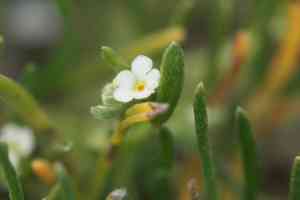
Sleeping combseed generally features delicate stems and tiny, fine foliage. The best periods for trimming are Spring, Summer, and Autumn. Begin by removing any lifeless or ailing branches. Sculpt and thin the specimen to guarantee adequate air movement and light exposure, fostering more robust development. Refrain from severe cutting, as this could cause distress to the plant. Consistent, gentle pruning stimulates thicker leaves and more abundant flowers. Always employ sanitized, keen implements to avert harm and the spread of pathogens.
What Are the Benefits of Pruning Sleeping Combseed?
What Are the Benefits of Pruning Sleeping Combseed?
Pruning Sleeping Combseed promotes vigorous development and helps maintain its form. Regular trimming encourages robust growth, keeps the plant manageable, and improves its overall look, assisting gardeners in cultivating an attractive and strong plant.
What Is the Best Time for Pruning Sleeping Combseed?
What Is the Best Time for Pruning Sleeping Combseed?
Spring is ideal for trimming Sleeping Combseed as it follows the plant's dormant winter phase, stimulating healthy growth as it enters its active season. Summer pruning can help manage the plant's size and shape, ensuring better air circulation to prevent illness. Autumn pruning, once flowering concludes, prepares Sleeping Combseed for winter dormancy, aiding energy conservation and reducing the risk of damage from cold weather.
What Tools Do I Need to Prune Sleeping Combseed?
Hand pruners
Perfect for small, accurate cuts, hand pruners are crucial for handling the delicate stems of Sleeping Combseed. They enable neat, clean cuts without harming the plant's structure.
Snips or trimming scissors
For more intricate, detailed tasks like deadheading or removing smaller growths, snips or trimming scissors offer the precision needed to maintain Sleeping Combseed's health.
Bypass loppers
If Sleeping Combseed grows larger or has thicker stems to manage, bypass loppers provide the necessary leverage to cut through without crushing plant tissue.
Pruning knife
Useful for slicing through finer stems or tidying up rough cuts, a pruning knife ensures smooth cuts that heal quickly.
How to Prune Sleeping Combseed
Inspect
Carefully examine Sleeping Combseed to identify any withered or unhealthy leaves.
Sanitize
Clean and disinfect pruning shears to prevent the spread of diseases.
Remove
Gently remove the withered leaves by cutting them at their base where they connect to the stem, ensuring a clean cut to encourage healthy growth.
Dispose
Properly discard pruned leaves to prevent any potential spread of pests or diseases.
Review
Review the plant after pruning to confirm all withered leaves have been removed and make any additional cuts as necessary.
Common Pruning Mistakes with Sleeping Combseed
Over-Pruning
Removing too much foliage at once can stress Sleeping Combseed, hinder growth, and reduce blooming.
Incorrect Cutting
Making improper cuts can result in jagged edges and potential entry points for diseases.
Pruning at the Wrong Nodes
Cutting above incorrect nodes can stunt growth or lead to undesirable shape irregularities.
Using Dull Tools
Pruning with unsharpened tools can crush stems instead of making clean cuts, which can cause damage and increase susceptibility to disease.
Neglecting Sanitation
Failing to clean tools between cuts or after pruning different plants can spread diseases.
Common Pruning Tips for Sleeping Combseed
Use Sharp and Clean Tools
Ensure your pruning shears are sharp and sanitize them before and after pruning to prevent disease transmission.
Make Clean Cuts
Always make precise cuts just above a node or a leaf bud to stimulate healthy new growth.
Prune for Shape and Health
Prioritize removing dead, damaged, or diseased branches first, then thin out dense areas to improve air circulation and light penetration.
Moderation is Key
Remove no more than one-third of the plant's foliage at a time to minimize stress on Sleeping Combseed and promote robust growth.
Monitor and Adjust
Regularly check Sleeping Combseed after pruning to assess its reaction and make necessary adjustments in subsequent pruning sessions.



