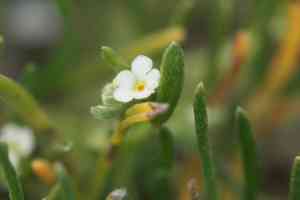
Sleeping combseed (Pectocarya penicillata)
Also known as: Northern pectocarya
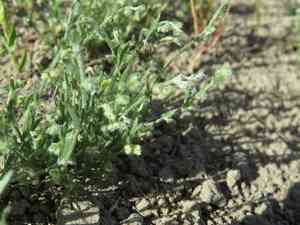
The sleeping combseed (Pectocarya penicillata) is a small annual plant with slender, spreading stems. Its distinctive feature is the presence of tiny, comb-like fruits along its stems. Adapted to arid environments, it has a deep taproot that helps it reach underground water. Additionally, its narrow leaves are designed to conserve water while still fulfilling photosynthetic requirements, showcasing its ability to thrive in desert conditions.
In This Article
Attributes of Sleeping combseed
Lifespan
Annual
Plant Type
Herb
Plant Height
2-8 inches
Spread
N/A
Leaf Color
Green
Flower Size
0.1-0.2 inches
Flower Color
White
Images of Sleeping combseed
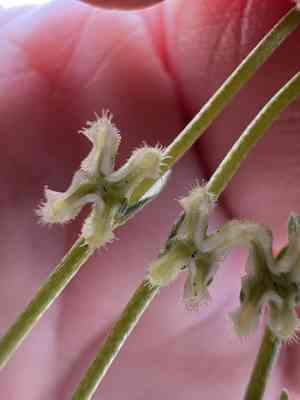
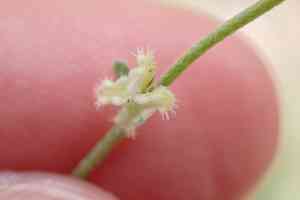
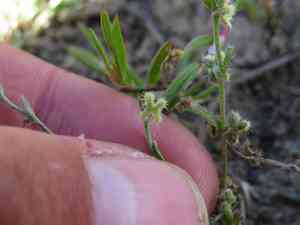
Quickly Identify Sleeping combseed
1
To identify Pectocarya penicillata, look for small, ground-hugging plants with tiny white flowers. The bristly seeds with wing-like appendages are a key distinguishing feature.
Scientific Classification of Sleeping combseed
Phylum
Vascular plants
Class
Dicotyledons
Order
Boraginales
Family
Borage
Genus
Pectocarya
Species
Sleeping combseed
Planting and Growing of Sleeping combseed
Care Difficulty
Moderate
Watering Schedule
Every 2 days
Sunlight Requirements
Partial sun
Sunshine Duration
6-10 hours
Ideal Temperature
60-75℉
Soil Type
Potting Mix, Peat Mix
Soil pH
6.5-7.5
Fertilizer Type
Balanced
Pruning Season
Spring, Summer
Pruning Area
Branches, Leaves
Pruning Frequency
2 times a year
Repotting Season
Spring
Pot Type
Plastic, Ceramic
 How to Water Sleeping combseed?
Pectocarya penicillata prefers its soil to be moderately moist but not waterlogged. Water with approximately 250 ml each time, ensuring that the soil is moistened evenly. Avoid letting water pool in the pot to prevent root rot.
What are the symptoms of an underwatered Sleeping combseed?
›
What should I do if my Sleeping combseed is not getting enough water?
›
What are the symptoms of an overwatered Sleeping combseed?
›
How to save an overwatered Sleeping combseed?
›
 What Are the Sunlight Requirements for Sleeping combseed?
Pectocarya penicillata thrives best in partial sun to full sun conditions, with 6-8 hours of light daily. This optimal range supports its growth, encourages flowering, and enhances its overall vitality by fulfilling its photosynthetic needs without overstraining.
How much sunlight is optimal?
›
Solution for optimal light conditions?
›
Benefits of ideal light exposure?
›
 What Is the Ideal Temperature Range for Sleeping combseed?
The ideal temperature range for growing Pectocarya penicillata is 60°F to 75°F. This range ensures optimal metabolic processes and growth rates within the plant. At these temperatures, the plant can effectively photosynthesize and absorb nutrients, ensuring healthy development.
 What Soil is Best for Sleeping combseed?
Pectocarya penicillata thrives in well-drained soil that prevents waterlogging, which can lead to root rot and other fungal diseases. Proper drainage ensures roots receive adequate oxygen, promoting healthy growth. This plant prefers soils with moderate fertility, avoiding both nutrient-poor and overly rich soils. This balances nutrients, supporting sustained growth and reducing the risk of excessive vegetative growth that could weaken the plant. Soils with an aerated structure allow for proper root expansion and breathability. This enhances water uptake and nutrient absorption, fostering robust plant health and preventing potential root stress.
 How to Fertilize Sleeping combseed?
For Pectocarya penicillata, the amount of fertilizer used should be just enough to encourage healthy growth without overwhelming the plant. Typically, using about a half-strength liquid fertilizer solution, or 5-10 ml per liter of water, ensures the plant receives adequate nutrients. For granular fertilizers, around 3 grams per liter of potting soil should suffice.
 How to Prune Sleeping combseed?
Begin by examining the plant to identify any dead or weak branches. It’s crucial to open up the structure to allow light penetration and air circulation, which supports overall plant vitality. Prioritize cutting back any branches that are dead or showing signs of disease. These are not contributing to the plant’s health and can be a vector for pests or pathogens. Proceed to prune back any crossing or overcrowded branches, focusing on maintaining a natural shape. Thinning out these areas can help prevent pest infestations and allows the plant to focus energy on thriving branches.
More About Pruning Techniques→
 How to Propagate Sleeping combseed plant?
1
Collect seeds from mature Pectocarya penicillata plants, ensuring they are dry and free from any sign of disease. This step is crucial to ensure high germination rates and healthy seedlings.
2
Sow the seeds evenly on the surface of moist potting soil, covering them lightly with a thin layer of soil. Ensure the soil remains moist but not waterlogged until germination occurs.
3
Place the pots or trays in a location with bright, indirect light and maintain a consistent temperature of around 20°C (68°F) to encourage germination. Avoid direct sunlight that can scorch young seedlings.
 How to Repot Sleeping combseed plant?
1
Pectocarya penicillata should be repotted when you notice growth stalling or roots peeking out of drainage holes. These signs indicate the plant has outgrown its current pot and needs a larger home to continue thriving. Ideal repotting time is during the start of its active growing season for minimal stress.
2
Select a pot that's one or two sizes larger than the current one with ample drainage holes. A larger pot provides space for root expansion and prevents overcrowding. Good drainage is crucial to prevent root rot and ensure excess water flows out efficiently.
3
Opt for a well-draining sandy soil mix for Pectocarya penicillata. This type of soil replicates the plant's natural environment, ensuring proper aeration and water retention balance. A suitable mix reduces the risk of root diseases and promotes healthy growth.
Learn More About Sleeping combseed Diseases
Bacterial Leaf Spot
Bacterial Soft Rot
Bacterial Wilt
Black Spot
Chemical Injury
Crown Gall
Cyst Nematode
Damping-off
Downy Mildew
Drought Stress
Fusarium Wilt
Gray Mold
Leaf Curl
Leaf Spot
Mosaic
Nutrient Deficiency
Nutrient Toxicity
Powdery Mildew
Root Rot
Root-knot Nematode
Rusts
Sooty Mold
Spider Mites
Temperature Stress
Thrips Damage
White Mold



