How to Prune Corkystem passionflower?
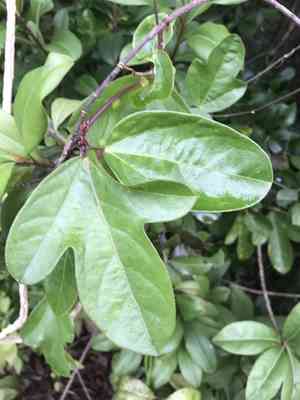
The Corkystem passionflower is characterized by its unique cork-like stems and vivid blossoms. Perform pruning in the early spring or late winter to encourage development, beginning with the removal of any deceased or frail stems. Prioritize preserving its form and ensuring adequate light exposure. Advantages encompass enhanced air movement and disease deterrence. Consistent trimming fosters abundant flowering and a more robust plant framework.
What Are the Benefits of Pruning Corkystem Passionflower?
What Are the Benefits of Pruning Corkystem Passionflower?
Pruning corkystem passionflower encourages robust development and helps maintain its form. Eliminating dead or diseased branches improves air circulation, lessens pest issues, and promotes abundant blooms and fruit.
What Is the Best Time for Pruning Corkystem Passionflower?
What Is the Best Time for Pruning Corkystem Passionflower?
Trimming or cutting back corkystem passionflower in early spring and late winter is advised because these periods coincide with the plant's inactive phase, reducing stress and disease risk. During this time, corkystem passionflower is not actively growing, allowing its energy to be preserved and directed towards new growth when warmer weather arrives. Additionally, pruning before the plant's active growth phase helps ensure vigorous flowering and fruiting, enhancing overall plant health and appearance.
What Tools Do I Need to Prune Corkystem Passionflower?
Hand Pruners
Hand pruners are crucial for cutting small branches and stems up to 1/2 inch in diameter. They offer accurate cuts, perfect for managing the shape and size of corkystem passionflower.
Loppers
Loppers are useful for severing thicker branches that hand pruners cannot manage, typically from 1/2 inch to 1 1/2 inches in diameter. Their extended handles provide greater leverage, simplifying the pruning of mature stems of corkystem passionflower.
Pruning Saw
A pruning saw is essential for cutting branches exceeding 1 1/2 inches in thickness. Its sharp, curved blade is ideal for making clean cuts on older, woody vines of corkystem passionflower.
Bypass Pruners
For routine upkeep and to stimulate healthy growth, bypass pruners are recommended. These tools are excellent for cutting live stems and preventing harm to the plant's tissues.
Protective Gloves
Wearing protective gloves is important to shield your hands from potential thorns or rough branches while handling and pruning corkystem passionflower.
How to Prune Corkystem Passionflower
Prep
Gather clean, sharp pruning shears to ensure precise cuts and minimize the risk of disease spread. Sanitize tools with a solution like rubbing alcohol or diluted bleach before use.
Inspect
Carefully examine corkystem passionflower to identify and mark diseased and withered leaves that require removal. Look for indicators such as discoloration, wilting, or spots.
Trim Diseased Leaves
Carefully cut any diseased leaves at their base where they connect to the stem. Ensure to cut back to healthy tissue, avoiding any visible signs of illness.
Trim Withered Leaves
Remove withered leaves by trimming them at the point where they meet the stem or branch. Make clean cuts to prevent damage to the plant's healthy sections.
Dispose
Dispose of all trimmed parts by placing them in a sealed bag and discarding them in the trash. Avoid composting diseased or withered leaves to prevent the spread of disease.
Common Pruning Mistakes with Corkystem Passionflower
Over-pruning
Many gardeners tend to remove too much foliage and stems when pruning corkystem passionflower, which can stress the plant and hinder its growth and flowering potential.
Incorrect tool usage
Using dull or unsuitable tools can harm the plant's tissues, leading to slow recovery and increased susceptibility to disease and pests.
Pruning at wrong angles
Improperly angled cuts can cause water to accumulate on the cut surface, potentially leading to rot and disease problems.
Removing too much at once
Pruning a significant portion of the plant in a single session can shock corkystem passionflower, potentially causing poor recovery and reduced vigor.
Common Pruning Tips for Corkystem Passionflower
Use sharp, clean tools
Always use sharp and sterilized pruning shears or scissors to make clean cuts. This minimizes plant damage and reduces disease risk.
Make precise cuts
Ensure cuts are made at a slight angle to prevent water from pooling on the cut surface, which can lead to rot.
Focus on dead or diseased wood
Regularly remove any dead, diseased, or damaged wood to promote healthy growth. This also helps improve air circulation within the plant.
Limit pruning sessions
Spread pruning activities over multiple sessions rather than doing extensive pruning all at once. This helps corkystem passionflower recover more efficiently without significant stress.
Prune for shape and space
Trim to maintain a desirable shape and ensure the plant has enough space to grow. Remove any overcrowded or crossing branches to improve light penetration and air flow.
Avoid heavy pruning during flowering
Light pruning during the flowering season can encourage more blooms, but avoid heavy cuts as it might reduce the plantâs flowering capacity.



