How to Propagate Corkystem passionflower?
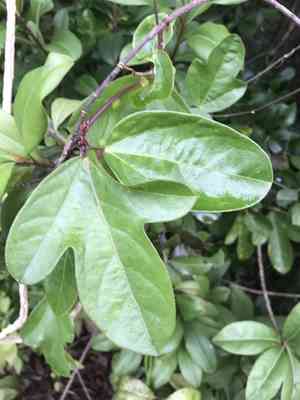
Passiflora suberosa, a robust climbing plant, is recognized for its distinctive corky stems and appealing blossoms. For multiplying this variety, choose stem sections. Verify that these sections are semi-mature and include a minimum of one joint. Employing a rooting stimulant can boost the likelihood of success. Insert the cuttings into a substrate that drains effectively, maintaining humidity and exposure to diffused light until a root system develops. This technique assists in preserving the plant's inherent characteristics.
When Is the Optimal Time to Propagate Corkystem Passionflower?
Propagation Type
Cutting
Propagation Season
Spring,Summer
What Equipment Is Utilized for Corkystem Passionflower Propagation?
Pruning Shears
Pruning shears are vital for obtaining clean, precise cuttings from corkystem passionflower. They help ensure smooth cut surfaces, reducing plant stress and boosting the likelihood of successful rooting.
Rooting Hormone
Rooting hormone is key for enhancing root development in cuttings. Applying this to the cut ends of corkystem passionflower before planting can significantly improve propagation success by stimulating root growth.
Propagation Trays
Propagation trays offer a controlled environment for cuttings to root. They ensure proper drainage and aeration, crucial for preventing fungal infections and promoting healthy root development in corkystem passionflower.
Humidity Dome
A humidity dome helps maintain a high-humidity environment around cuttings, essential for preventing desiccation. For corkystem passionflower, maintaining moisture levels is critical for rooting success.
Sterile Potting Mix
Using a sterile potting mix helps minimize disease risk and provides a clean medium for roots to develop. This is particularly beneficial for corkystem passionflower as young cuttings are susceptible to pathogens.
Heat Mat
A heat mat placed beneath propagation trays can provide consistent bottom heat, encouraging faster and more robust root growth. This is especially useful for corkystem passionflower, which may benefit from the added warmth during the rooting process.
How to Propagate Corkystem Passionflower?
Propagation Type
Moderately Difficult
How to Care for Your Newly Propagated Corkystem Passionflower?
How to Care for Your Newly Propagated Corkystem Passionflower?
After successful propagation, ensure corkystem passionflower is placed in a sunny spot with well-draining soil. Water the plant regularly, allowing the top inch of soil to dry between waterings. Fertilize with a balanced, water-soluble feed every 4-6 weeks. Provide support for climbing stems, such as a trellis or arbor, and prune regularly to maintain shape and encourage vigorous growth.
Common Errors to Avoid When Propagating Corkystem Passionflower
Overwatering
Excessive watering can lead to root rot, harming the plant and hindering propagation success.
Poor Soil Drainage
Using soil that drains poorly can retain too much water around roots, fostering disease and preventing proper root development.
Lack of Humidity
Failing to maintain adequate humidity levels can cause cuttings to dry out, making rooting difficult.
Incorrect Cutting Technique
Using dull tools or taking cuttings from unhealthy plant parts can decrease the chances of successful rooting.
Improper Light Conditions
Placing cuttings in direct sunlight can cause them to overheat and dry out, whereas too little light can significantly slow growth and rooting.
Tips For Propagating Corkystem Passionflower
Use Well-Draining Soil
Ensure the soil mix drains effectively to prevent waterlogging and root rot.
Maintain Consistent Humidity
Keep humidity high around cuttings by covering them with a plastic dome or using a misting system.
Choose Healthy Cuttings
Select healthy, disease-free cuttings from vigorous growth to increase the likelihood of successful rooting.
Sterilize Tools
Use sterilized, sharp tools for taking cuttings to prevent infection and ensure clean cuts.
Indirect Light
Place cuttings in bright, indirect light to provide sufficient energy for growth without causing heat stress or dehydration.



