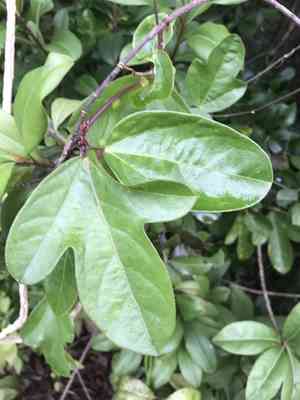
Corkystem passionflower (Passiflora pallida)
Also known as: Juniper-berry
The Corkystem passionflower (Passiflora suberosa) is a climbing vine celebrated for its captivating flowers, which display an intricate pattern of radial filaments. This species flourishes in tropical and subtropical regions, preferring locations with abundant sunlight and well-drained soil. Its rapid climbing ability is an evolutionary trait that enables it to seek out optimal light conditions. With its striking blooms and lush green leaves, it is a popular choice for ornamental gardening.
In This Article
Attributes of Corkystem passionflower
Lifespan
Perennial
Plant Type
Vine
Plant Height
3-5 meters
Spread
N/A
Leaf Color
Green
Flower Size
5-7 centimeters
Flower Color
Pale hues, often white or light pink
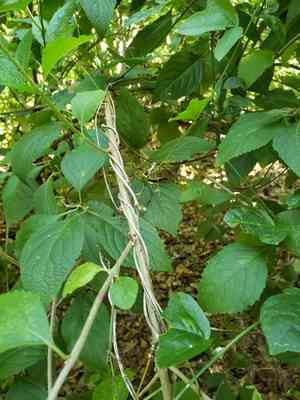
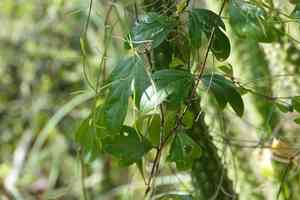
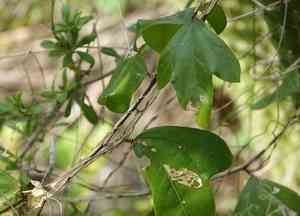
Images of Corkystem passionflower

Quickly Identify Corkystem passionflower
1
Passiflora pallida can be identified by its unique flowers which have a structure that includes five sepals and petals, and a central corona of filaments. The leaves are typically three-lobed and the vine can climb using tendrils.
Scientific Classification of Corkystem passionflower
Phylum
Vascular plants
Class
Dicotyledons
Order
Malpighiales
Family
Passionflowers
Genus
Passion flowers
Species
Corkystem passionflower
Planting and Growing of Corkystem passionflower
Care Difficulty
Easy
Watering Schedule
Every 3 days
Sunlight Requirements
Full sun
Sunshine Duration
6-10 hours
Ideal Temperature
70-85℉
Soil Type
Potting Mix, Peat Mix
Soil pH
6.5-7.5
Fertilizer Type
Balanced
Pruning Season
Spring, Summer
Pruning Area
Branches, Leaves
Pruning Frequency
2 times a year
Repotting Season
Spring
Pot Type
Plastic, Ceramic
 How to Water Corkystem passionflower?
Watering Passiflora pallida requires a balance, typically around 300 ml per session. The key is to ensure the soil remains consistently moist but not soggy. Deep watering that moistens the soil to a depth of about 6 inches is ideal, ensuring that water reaches the root zone without causing waterlogging.
What are the symptoms of an underwatered Corkystem passionflower?
›
What should I do if my Corkystem passionflower is not getting enough water?
›
What are the symptoms of an overwatered Corkystem passionflower?
›
How to save an overwatered Corkystem passionflower?
›
 What Are the Sunlight Requirements for Corkystem passionflower?
Partial to full sun is ideal, ensuring Passiflora pallida receives ample light for vigorous growth and flowering. This level of sun exposure helps maintain a healthy, thriving plant with vibrant flowers.
What is the optimal light condition for Passiflora pallida?
›
How to achieve ideal lighting for Passiflora pallida?
›
What are the benefits of ideal lighting for Passiflora pallida?
›
 What Is the Ideal Temperature Range for Corkystem passionflower?
For Passiflora pallida, maintaining an ideal temperature range between 70°F and 85°F is crucial. This temperature range supports optimal photosynthesis and growth, ensuring the plant's metabolic processes function efficiently. Keeping within this range helps prevent stress symptoms and encourages robust health.
 What Soil is Best for Corkystem passionflower?
Passiflora pallida thrives in well-draining soil that prevents water from stagnating around the roots. This condition helps avoid root rot, ensuring the plant remains healthy and vibrant with optimal growth. Providing nutrient-rich soil is essential for this plant to flourish. It requires a good balance of organic matter, which promotes robust growth and enhances its beautiful, intricate flowers. Soil with moderate moisture retention is ideal for this species. It helps maintain adequate moisture levels in the root zone, ensuring the plant does not dry out or become waterlogged.
 How to Fertilize Corkystem passionflower?
For Passiflora pallida, the fertilizer amount should be balanced to promote healthy growth without causing nutrient burn. Use approximately 1/4 to 1/2 teaspoon of liquid fertilizer per gallon of water. For slow-release fertilizers, distribute 1 to 1.5 ounces per plant annually, distributed across different stages of growth.
 How to Prune Corkystem passionflower?
Start by inspecting the vine for any dead, damaged, or diseased stems. Use sharp, sterilized pruning shears to make clean cuts. Trim these off at a 45-degree angle to prevent water from collecting on the wound. This not only improves the plant’s appearance but also promotes new growth. To foster lush foliage and an abundance of blooms, focus on pruning back about a third of the oldest stems. This method channels the plant’s energy into producing new shoots. Cutting back to a bud or side shoot encourages branching and fuller growth. Avoid cutting too much at once to reduce stress.
More About Pruning Techniques→
 How to Propagate Corkystem passionflower plant?
1
Collect seeds from mature Passiflora pallida fruits. Ensure that the seeds are fully ripened by checking the fruit for a slightly wrinkled appearance before harvest.
2
Select a healthy branch from the parent plant and cut a 4-6 inch section just below a node. Remove the lower leaves to reduce water loss.
3
Plant seeds in seed trays about 0.5 inches deep. For cuttings, dip the cut end in rooting hormone and place them in a pot of well-draining soil mixture.
 How to Repot Corkystem passionflower plant?
1
For Passiflora pallida, look for signs like roots growing out of the drainage holes or the plant appearing too large for its pot, creasing nutrient delivery. Spring or summer is perfect for repotting this climber as its growth is most vigorous then, allowing it to settle well.
2
Select a pot 1-2 inches larger in diameter than the current one, featuring adequate drainage holes. This ensures roots have room to expand, preventing waterlogging—a crucial factor considering Passiflora pallida’s preference for well-aerated soil.
3
Opt for a well-draining potting mix that retains some moisture yet doesn’t stay soggy. A combination of peat, perlite, and sand works effectively. This composition mimics the plant's native environment, facilitating healthy growth and minimizing root rot.
Learn More About Corkystem passionflower Diseases
Anthracnose
Bacterial Leaf Spot
Bacterial Soft Rot
Bacterial Wilt
Crown Gall
Cyst Nematode
Damping-off
Downy Mildew
Drought Stress
Fusarium Wilt
Gray Mold
Leaf Spot
Mosaic
Nutrient Deficiency
Nutrient Toxicity
Powdery Mildew
Root Rot
Root-knot Nematode
Rusts
Sooty Mold
Spider Mites
Temperature Stress
Thrips Damage
White Mold



