How to Prune Mexican passionflower?
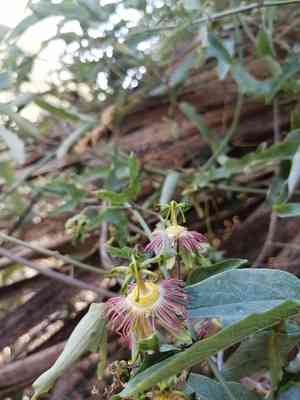
Distinguished by its brilliant flowers and climbing nature, mexican passionflower enriches gardens with its lively presence. Trimming ought to concentrate on eliminating deceased or excessively long stems to foster robust development. The most suitable periods are early spring or late winter, aligning with the plant's inactive phase. Judicious thinning aids air circulation and light access, thereby boosting bloom production. Key advantages encompass regulated growth, refined plant form, and the deterrence of illness propagation. Consistent upkeep guarantees the passionflower's decorative charm and extended lifespan.
Advantages of Trimming Mexican Passionflower
Advantages of Trimming Mexican Passionflower
Trimming mexican passionflower encourages robust development and helps maintain its desired form. Strategic cuts improve air circulation, lowering disease risk and fostering new, healthy shoots for a fuller, more appealing plant.
Optimal Time for Pruning Mexican Passionflower
Optimal Time for Pruning Mexican Passionflower
Pruning or trimming mexican passionflower in late winter or early spring offers significant benefits. This timing coincides with the end of mexican passionflower's dormant phase, just before new growth begins, allowing the plant to quickly recover from cuts and direct energy into developing fresh shoots and future blooms. This also prevents damage to new growth, which is more likely if pruning occurs later in spring or during active growth. Furthermore, pruning in late winter or early spring enables gardeners to easily identify and remove dead or diseased wood without leaf obstruction, leading to a healthier and more attractive plant structure. This practice stimulates mexican passionflower to produce vigorous growth and abundant flowers or fruit, as resources are channeled into fewer, stronger stems instead of numerous weaker ones. Pruning during these recommended seasons helps manage mexican passionflower's size and shape, ensuring optimal air circulation and sunlight exposure, crucial for minimizing fungal infections and other diseases.
Tools Required for Pruning Mexican Passionflower
Hand Pruners
Essential for making clean cuts on stems and small branches, hand pruners should be sharp and high-quality to ensure precise trimming of mexican passionflower's delicate vines without causing damage.
Pruning Saw
A pruning saw might be necessary for thicker, woodier stems that hand pruners cannot easily cut. This ensures smooth removal of larger growth without harming mexican passionflower's overall vigor.
Loppers
For hard-to-reach areas or thicker branches requiring more leverage, loppers are useful. They provide extended reach and power, making mexican passionflower pruning more efficient.
Gloves
Though not a cutting tool, gloves protect the gardener from thorns and are vital for safely handling mexican passionflower during the pruning process.
Cleaning Solution
To prevent disease spread, it's crucial to clean all pruning tools before and after use on mexican passionflower. A simple solution can be made from diluted bleach or alcohol.
Secateurs
Also known as hand pruners, secateurs are recommended for more delicate, precise work on mexican passionflower, especially when shaping the plant or removing spent flowers.
How to Prune Mexican Passionflower
Sanitize
Before beginning, ensure all pruning tools are clean and sterilized to prevent disease transmission when trimming mexican passionflower.
Inspect
Carefully examine mexican passionflower for diseased and withered leaves, identifying specific parts that require removal.
Excise Diseased
Using sharp pruning shears, gently cut away diseased leaves from mexican passionflower at the stem's base, taking care not to harm healthy tissue.
Remove Withered
Remove any withered leaves from mexican passionflower by cutting them at the base near the main stem to encourage healthy growth and airflow.
Disposal
Properly dispose of all diseased and withered leaves to prevent contamination or the spread of disease back to mexican passionflower or other plants.
Common Pruning Errors with Mexican Passionflower
Overpruning
Removing too much growth at once can stress mexican passionflower, leading to poor plant health and reduced flowering. It's important to avoid cutting more than a third of the plant's growth.
Incorrect Cut Placement
Cutting too far from a bud can result in dead stubs, while cutting too close can damage the bud. Ensure cuts are made just above a healthy bud or branching point.
Using Dull Tools
Dull pruning tools can crush stems and branches, resulting in jagged cuts that may invite pests and diseases. Always use sharp, clean tools for clean cuts.
Pruning Without A Plan
Mexican passionflower may become misshapen if pruned without a goal. Gardeners should have a clear vision for the desired shape and structure before starting to prune.
Neglecting Diseased Material
Failing to promptly remove diseased or damaged material can allow issues to spread through mexican passionflower. Unhealthy growth should be removed as soon as it's noticed.
General Pruning Advice for Mexican Passionflower
Selective Pruning
Focus on removing only dead, diseased, or overgrown stems to maintain plant health. Target these areas to improve air circulation and light penetration.
Encourage New Growth
Prune just above a bud facing the outside of the plant to encourage new growth in that direction, which helps mexican passionflower maintain an open, attractive form.
Support Structure
Mexican passionflower may need support for optimal growth. When pruning, consider how the plant's structure will be supported, whether by trellises, fences, or other means.
Retaining Flower Sites
Be mindful of where mexican passionflower typically develops flowers. Only prune areas that will not remove upcoming buds, unless renewal pruning is needed to rejuvenate the plant.
Staggered Pruning
For larger plants, stagger pruning over multiple seasons to avoid shock. This allows for gradual shaping and rejuvenation without compromising plant vitality.



