Enhancing Your Garden Design with the Mexican passionflower Plant: A Landscaping Guide
1
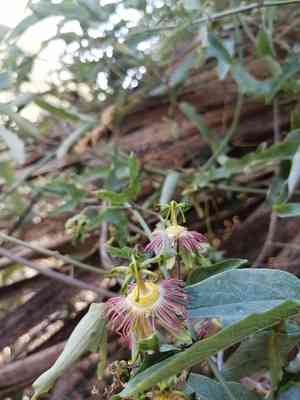
The Mexican passionflower is a adaptable plant suitable for diverse garden designs, ranging from tropical to contemporary minimalist.
2
Consistent trimming and proper seasonal attention guarantee the Mexican passionflower retains its beauty year-round.
3
Beyond enhancing your garden's look, the Mexican passionflower also benefits local fauna, including pollinators.
Introducing Mexican Passionflower in Garden Design
Key attributes of Mexican passionflower beneficial for landscaping
For a garden that is both aesthetically pleasing and environmentally friendly, the Mexican passionflower is an excellent selection. Renowned for its striking blossoms and abundant foliage, it can serve as a focal point or a complementary element in various garden schemes. Its vibrant flowers provide a burst of color, while its climbing habit allows for creative use in vertical gardens or as a natural privacy screen. Furthermore, its hardiness and adaptability make it an easy-care option for both new and experienced gardeners.
Preferred regions for cultivating Mexican passionflower
Although adaptable to diverse climates, Mexican passionflower flourishes best in areas with mild winters and warm, humid summers. It is commonly grown in USDA hardiness zones 8-11, encompassing parts of the southern U.S., Latin America, and sections of Asia and Africa. In these locales, its natural growth patterns allow it to thrive, creating vibrant gardens with minimal upkeep. However, with proper attention, it can also be cultivated in slightly cooler climates, where it might be treated as an annual or brought indoors during colder periods.
Incorporating Mexican Passionflower into Your Garden Layout
Fundamental principles of garden design featuring Mexican passionflower
Integrating Mexican passionflower into your garden design requires understanding a few basic concepts. First, consider its growth patternâit's a climbing plant, making it ideal for trellises, arbors, and fences, adding vertical interest. Position it where its vivid flowers are easily visible, such as near seating areas or pathways. Also, consider its light needs; it thrives in full sun to partial shade, so a spot with adequate sunlight is crucial. Balancing these factors ensures it enhances both the visual appeal and functionality of your garden.
Innovative applications of Mexican passionflower in various garden styles
The adaptability of Mexican passionflower offers numerous creative possibilities. In a tropical garden, combine it with lush ferns and bright bromeliads for an exotic feel. For a minimalist, modern garden, use it to add a pop of color against monochrome stone or metal. It can also create romantic, whimsical settings; imagine a pergola adorned with its blooms as a dreamy garden retreat. Moreover, it can grow in containers, making it suitable for small patios or urban gardens with limited ground space. Experimenting with different styles allows you to showcase its beauty in diverse and exciting ways.
Companion Planting with Mexican Passionflower
Optimal companion plants for Mexican passionflower and their rationale
Selecting suitable companions for Mexican passionflower can enhance its beauty and improve your garden's ecological balance. Consider pairing it with plants that offer contrasting yet complementary foliage and flower hues. For instance, combining it with sun-loving plants like lavender or lantana creates a visually appealing contrast. These plants not only share similar light and soil preferences but also attract beneficial pollinators, supporting a healthy garden ecosystem. Additionally, ground covers or low-growing perennials like sedum or creeping thyme can help suppress weeds and retain soil moisture, benefiting the garden's overall health.
Considerations for plant compatibility and visual equilibrium
Achieving harmony and balance in your garden involves more than just grouping plants with similar requirements. Think about the height, texture, and color of your plants to create a cohesive design. For example, combining the vertical growth of Mexican passionflower with medium-height shrubs and low ground covers creates layered interest. Pay attention to bloom times to ensure continuous color throughout the seasons. Avoid overcrowding by ensuring each plant has sufficient space to grow and thrive; this not only preserves individual plant health but also contributes to a well-balanced and aesthetically pleasing garden.
Caring for Mexican Passionflower in Your Garden
Seasonal maintenance routines
Consistent seasonal care ensures the Mexican passionflower remains healthy and vibrant year-round. During spring and summer, regular watering and feeding with a balanced fertilizer promote vigorous growth and flowering. Pruning in late winter or early spring helps manage its size and encourages new shoots. In colder regions, mulching around the base can protect its roots from freezing. Additionally, monitoring for pests and diseases, such as aphids or fungal infections, allows for timely treatment, ensuring the plant's long-term health and beauty.
Resolving common issues when cultivating Mexican passionflower
While generally low-maintenance, Mexican passionflower can encounter some problems. Over-watering or poor drainage can lead to root rot, so ensure well-drained soil and avoid waterlogged conditions. Pests like aphids and spider mites can be controlled with insecticidal soap or by encouraging natural predators like ladybugs. If your plant isn't blooming, it might need more sunlight or fertilizer. Addressing these common issues promptly will help your Mexican passionflower thrive and continue to enhance your garden.
The Environmental Impact of Mexican Passionflower
Benefits of Mexican passionflower for local wildlife and ecosystems
Mexican passionflower is not only visually attractive but also advantageous for the local ecosystem. Its flowers draw pollinators such as bees, butterflies, and hummingbirds, which are vital for the pollination of many plants. This support for pollinator populations helps maintain the biodiversity and health of the local environment. Furthermore, its dense foliage offers shelter for small animals and birds, creating a mini-ecosystem within your garden. By planting Mexican passionflower, you contribute to the ecological stability and vibrancy of your local area.
Adapting your landscaping to foster ecological sustainability with Mexican passionflower
Making your garden more ecologically sustainable with Mexican passionflower involves thoughtful landscaping practices. Choose organic fertilizers and pest control methods to minimize chemical impact. Planting native species alongside Mexican passionflower can promote a more resilient garden adapted to local conditions. Rainwater harvesting for irrigation and implementing composting practices further support sustainability. By integrating these eco-friendly practices, you not only cultivate a beautiful garden with Mexican passionflower but also contribute to broader environmental conservation efforts.



