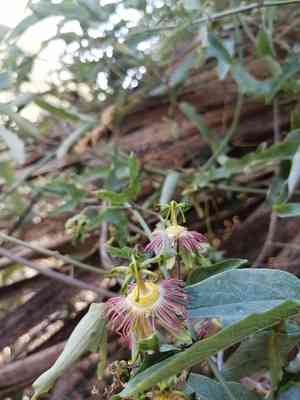
Mexican passionflower(Passiflora mexicana)

Mexican passionflower (Passiflora mexicana)

Also known as: Mexican Passionflower, Passiflora

The Mexican passionflower (Passiflora mexicana) is a striking vine known for its elaborate and colorful blooms. Here are its primary characteristics and optimal growing conditions:

### Characteristics:
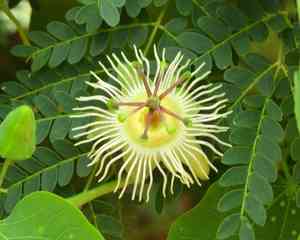
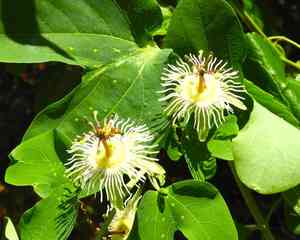
- **Flowers**: Intricate, with a mix of vibrant purple and white filaments, often highlighted by green bracts with red tips.
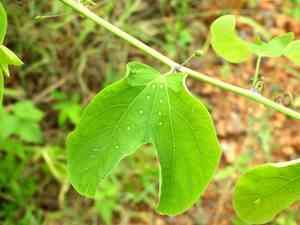
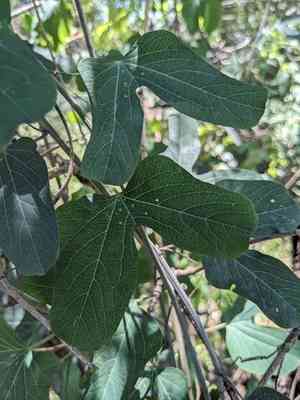
- **Leaves**: Evergreen, deeply lobed, and glossy green.
- **Aroma**: The blooms emit a sweet fragrance that attracts numerous pollinators.
- **Shape**: The flowers are distinguished by their unique bell shape.
- **Growth Habit**: Vigorous climber, capable of reaching 10-15 feet (3-4.5 meters) or more.

### Ideal Growing Conditions:
- **Climate**: Prefers subtropical regions but demonstrates resilience in a range of conditions.
- **Sunlight**: Grows best in full sun to partial shade.
- **Soil**: Requires well-draining, fertile soil with a slightly acidic to neutral pH (around 6.0-7.0).
- **Watering**: Needs regular watering to maintain soil moisture without becoming waterlogged.
- **Temperature**: Sensitive to frost, it thrives in warm climates.
- **Humidity**: Benefits from high humidity levels.
- **Support**: Should be provided with a trellis or similar structure to support its climbing nature.

### Maintenance Tips:
- **Pruning**: Regular pruning helps control its vigorous growth and promotes blooming.
- **Fertilization**: Apply a balanced, slow-release fertilizer during the growing season for best results.

These conditions will ensure that the Mexican passionflower grows robustly and enhances its surroundings with its vibrant, fragrant flowers.

Attributes of Mexican passionflower

Lifespan
Perennial
Plant Type
Vine, Herb
Plant Height
Up to 20 feet
Spread
N/A, as it is a vine
Leaf Color
Green
Flower Size
3 to 5 inches
Flower Color
Purple, white

ForwardPlant - Identify plants with a snap

Identify and diagnose plants, get toxicity alerts, and explore safety guides for all types of fungi.

Try for Free

Images of Mexican passionflower

Mexican passionflower(Passiflora mexicana)

Quickly Identify Mexican passionflower

1
Look for its distinctive five-petaled flowers, typically with a combination of purple and white hues. The plant\'s leaves are deeply lobed and its tendrils assist in climbing.

Scientific Classification of Mexican passionflower

Phylum
Vascular plants
Class
Dicotyledons
Order
Malpighiales
Family
Passionflowers
Genus
Passion flowers
Species
Mexican passionflower

Planting and Growing of Mexican passionflower

Care Difficulty
Easy
Watering Schedule
Every 4 days
Sunlight Requirements
Partial sun
Sunshine Duration
6-10 hours
Ideal Temperature
68-77℉
Soil Type
Potting Mix, Peat Mix
Soil pH
6.5-7.5
Fertilizer Type
Balanced
Pruning Season
Spring, Summer
Pruning Area
Branches, Leaves
Pruning Frequency
2 times a year
Repotting Season
Spring
Pot Type
Plastic, Ceramic

water icon How to Water Mexican passionflower?

For Passiflora mexicana, aim to thoroughly moisten the soil without saturating it. Pour about 250 ml of water around the base of the plant. Make sure the water reaches the root zone without causing puddles or standing water.
What are the symptoms of an underwatered Mexican passionflower?
What should I do if my Mexican passionflower is not getting enough water?
What are the symptoms of an overwatered Mexican passionflower?
How to save an overwatered Mexican passionflower?

sunlight icon What Are the Sunlight Requirements for Mexican passionflower?

Sunlight Requirements: Partial sun, Full sun
Duration of light: 4 to 6 hours
Partial sun exposure, involving about 4 to 6 hours of consistent sunlight, supports optimal photosynthesis and growth cycles, ensuring robust flowering and greener foliage.
Optimal Sunlight Timing?
Balancing Direct and Indirect Light?
Benefits of Ideal Sunlight?

temperature icon What Is the Ideal Temperature Range for Mexican passionflower?

Ideal Temperature: 68 ~ 77℉
What is the ideal temperature range for growing Passiflora mexicana? Passiflora mexicana thrives best in temperatures between 68°F and 77°F. This range supports its metabolic processes, including photosynthesis, respiration, and transpiration, which are crucial for its overall health and growth.

soil icon What Soil is Best for Mexican passionflower?

Soil type: Loam, Sandy loam
Soil PH: 6.5 ~ 7.5
Passiflora mexicana thrives in soil that provides good drainage to prevent root rot. Well-drained soil ensures that water can move through easily, allowing oxygen to reach the roots, which is crucial for healthy plant growth. A nutrient-rich soil supports vigorous growth and beautiful blooms. The addition of organic matter enhances soil fertility, providing the essential nutrients needed for the plant's development. The soil should retain moisture without becoming waterlogged. This characteristic helps maintain consistent moisture levels, supporting the plant's overall health and reducing water stress.

fertilize icon How to Fertilize Mexican passionflower?

Fertilizer type: Balanced
Passiflora mexicana, like many other passionflowers, requires a balanced approach to fertilizing. For liquid fertilizers, use approximately half to one teaspoon per gallon of water, depending on the concentration. For slow-release fertilizers, lightly sprinkle about 0.5 to 1 tablespoon around the root zone, ensuring even coverage.

prune icon How to Prune Mexican passionflower?

Pruning Time: Spring, Summer
Ensure your pruning tools are clean and sharp before use to make clean cuts and avoid spreading disease. Dull tools can damage the plant more than help, leaving jagged edges that can be entry points for pathogens. During pruning, take care not to disturb any pollinators such as bees that may be visiting your Passiflora mexicana flowers. These creatures are beneficial for your garden and play a crucial role in pollination, ensuring the long-term success of your plant and surrounding flora. Avoid removing more than one-third of the plant at any one time. Over-pruning can stress the plant, potentially reducing flowering and growth. It’s vital to maintain enough foliage for photosynthesis and overall vigor. More About Pruning Techniques

propagate icon How to Propagate Mexican passionflower plant?

Propagate Time: Late spring, Early summer
1
Obtain fresh Passiflora mexicana seeds and soak them in warm water for 24 hours to aid germination. This step helps to soften the seed coat and enhance the chances of successful germination.
2
Using sterile pruning shears, take 6- to 8-inch cuttings from healthy, mature stems. Remove any leaves from the lower half of the cutting, as this prevents rot during propagation.
3
Plant the cuttings or seeds in well-draining soil, ensuring moderate moisture until roots develop. Place them in a location with indirect sunlight to avoid scorching and ensure consistent warmth.
More About Propagating Techniques

repot icon How to Repot Mexican passionflower plant?

Repotting frequency: Every 1-2 years
1
Passiflora mexicana should be repotted when you notice roots growing out of the drainage holes, or if the plant appears too large for its pot. Early spring or summer is ideal, as the plant enters its active growth phase, offering the best chance for a swift recovery after repotting.
2
Select a pot that allows for approximately 2 inches of space around the root ball. This provides enough room for growth while avoiding water stagnation. Ensure the pot has drainage holes to prevent root rot, a common issue with too much retained water.
3
A well-draining soil mix, rich in organic material, is essential for Passiflora mexicana. Consider using a combination of potting soil, perlite, and a small amount of sand. This blend ensures that the soil retains enough moisture for plant health, while still allowing excess water to drain away easily.

ForwardPlant - Identify plants with a snap

Find the best spots for them to optimize their health, simply using your phone.

Try for Free

Toxicity

Ingestion or contact

Identify toxic plants for your safety

Learn which plants are harmful to you and your pets, and make informed choices for a safer home!

Try for Free
WARNING
The judgment on toxicity and danger is for reference only. We DO NOT GUARANTEE any accuracy of such judgment. Therefore, you SHALL NOT rely on such judgment. It is IMPORTANT TO SEEK PROFESSIONAL ADVICE in advance when necessary.