How to Prune Passionflower?
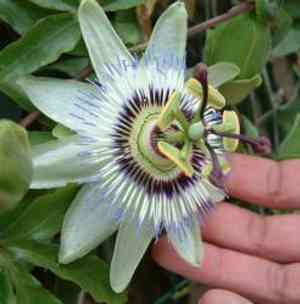
Passiflora, recognized for its impressive blossoms and climbing nature, significantly thrives with consistent trimming to boost vitality and flowering excellence. The best periods for pruning are late winter to early spring, before the emergence of new shoots. Essential methods involve eliminating deceased or excessively long branches and molding the climber to facilitate proper air movement and light penetration. Such actions not only preserve preferred visual appeal but also deter ailments.
What Are the Benefits of Pruning Passionflower?
What Are the Benefits of Pruning Passionflower?
Trimming passionflower encourages robust development and maintains its desired form. Regular cutting fosters a healthier, stronger plant by eliminating overgrown or dead sections, ensuring peak health and visual appeal.
What Is the Best Time for Pruning Passionflower?
What Is the Best Time for Pruning Passionflower?
Pruning passionflower in late winter or early spring is optimal as it prepares the plant for vigorous spring growth by removing dead or overgrown branches, thereby improving light exposure and air circulation. This timing coincides with the end of passionflower's dormant period and just before new growth begins, ensuring cuts heal quickly without stressing the plant. Furthermore, pruning before the spring growth spurt directs energy towards producing healthy new shoots and flowers, maximizing health and bloom potential.
What Tools Do I Need to Prune Passionflower?
Bypass Pruners
Perfect for making clean, precise cuts on the softer, green stems of passionflower. Their scissor-like action allows for exact control, crucial for maintaining the plant's health and appearance.
Pruning Saw
Essential for removing thicker, woodier stems that bypass pruners cannot handle. This tool helps manage older growth of passionflower, stimulating new growth and flowering.
Telescoping Pruner
Useful for reaching higher or less accessible parts of passionflower, allowing the gardener to maintain the plant's shape and manage its extensive growth without needing a ladder.
Gloves
Important for protecting hands from thorns and rough stems while handling passionflower, ensuring a safe pruning process.
How to Prune Passionflower
Identify
Thoroughly inspect passionflower to locate diseased or withered leaves. Focus on leaves showing discoloration, spots, or those completely dried out.
Sanitize
Before beginning the pruning process, disinfect your pruning tools using a bleach solution or rubbing alcohol to prevent disease spread.
Cut
Using sharp, clean pruning shears, carefully snip off diseased and withered leaves at their base, close to the stem. Ensure cuts are clean and precise to avoid damaging healthy parts of passionflower.
Dispose
Immediately discard removed leaves in a sealed bag or bin to prevent any potential spread of pathogens to other plants or back to passionflower.
Inspect
After pruning, regularly check passionflower for new signs of disease or wilting. Repeat the pruning process as needed to maintain plant health and vigor.
Common Pruning Mistakes with Passionflower
Overpruning
Removing too much growth at once can stress passionflower, leading to weaker plants and reduced flowering. It's important to prune no more than one-third of the plant at a time.
Improper tool use
Using dull or dirty pruning shears can damage the stems of passionflower, leading to frayed or jagged cuts susceptible to diseases. Always use clean, sharp tools.
Pruning healthy growth
Sometimes, gardeners accidentally remove healthy, vibrant growth instead of focusing on dead or diseased stems. This mistake can limit the plant's potential for abundant flowering.
Common Pruning Tips for Passionflower
Selective pruning
Focus on removing only the dead, diseased, or overgrown stems of passionflower. This encourages healthier growth and more prolific flowering by improving air circulation and light penetration throughout the plant.
Encourage branching
Make cuts about 1/4 inch above a bud that faces the direction you want new growth to take. This technique helps shape passionflower and promotes denser, more controlled growth.
Post-flowering trim
After passionflower has finished flowering, give it a light trim to remove spent flowers and any overgrown tendrils. This not only keeps your plant looking tidy but also encourages another round of blooms.



