
Passionflower (Passiflora antioquiensis)
Also known as: Vanilla banana passionfruit, Vanilla passionfruit
Passiflora antioquiensis, commonly known as the red banana passionfruit, belongs to the Passifloraceae family. This species is indigenous to Colombia and derives its name from the Antioquia Department, where the original specimen was found. It was first described by Gustav Karsten in 1859.
In This Article
Attributes of Passionflower
Lifespan
Perennial
Plant Type
Vine
Plant Height
5 m
Spread
1 m
Leaf Color
Green Blue
Flower Size
4-5 inches (10-12 cm)
Flower Color
Pink Red
Images of Passionflower
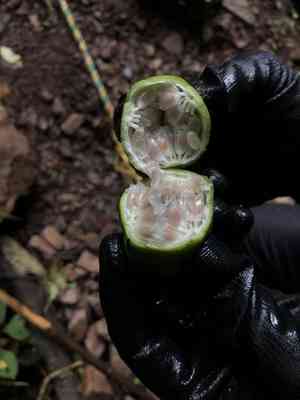

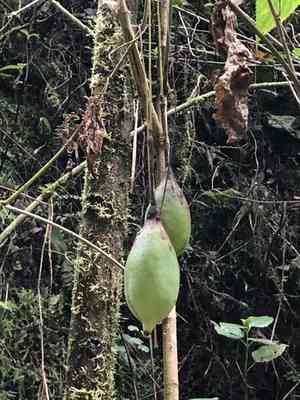
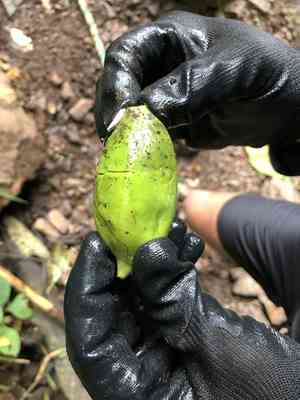
Quickly Identify Passionflower
1
Passiflora antioquiensis can be identified by its unusual, long, tubular red flowers and the distinctive shape of its leaves, which are three-lobed and serrated. The fruit is oblong and yellow when ripe, resembling a small banana.
Scientific Classification of Passionflower
Phylum
Vascular plants
Class
Dicotyledons
Order
Malpighiales
Family
Passionflowers
Genus
Passion flowers
Species
Passionflower
Planting and Growing of Passionflower
Care Difficulty
Easy
Watering Schedule
Every 8 days
Sunlight Requirements
Partial sun
Sunshine Duration
4-8 hours
Ideal Temperature
65-75℉
Soil Type
Potting Mix, Peat Mix
Soil pH
6.5-7.5
Fertilizer Type
Balanced
Pruning Season
Spring, Summer
Pruning Area
Branches, Leaves
Pruning Frequency
2 times a year
Repotting Season
Spring
Pot Type
Terracotta, Plastic
 How to Water Passionflower?
When watering Passiflora antioquiensis, aim for about 500 milliliters per session. The soil should be moist but not waterlogged, mimicking its natural environment. The top layer should begin to dry slightly before the next watering session.
What are the symptoms of an underwatered Passionflower?
›
What should I do if my Passionflower is not getting enough water?
›
What are the symptoms of an overwatered Passionflower?
›
How to save an overwatered Passionflower?
›
 What Are the Sunlight Requirements for Passionflower?
The ideal light range for Passiflora antioquiensis is partial sun to full sun, facilitating strong growth and consistent flowering while maintaining foliage health.
What is the ideal lighting condition for Passiflora antioquiensis?
›
How can I achieve these conditions?
›
What are the benefits of ideal lighting?
›
 What Is the Ideal Temperature Range for Passionflower?
Passiflora antioquiensis thrives best within a temperature range of 65°F to 75°F. This range provides an optimal balance for metabolic processes, encouraging healthy growth and blooming. Maintaining this consistent temperature range ensures that the plant experiences minimal stress.
 What Soil is Best for Passionflower?
Why does Passiflora antioquiensis prefer well-drained soil? It ensures that excess water doesn't accumulate, preventing root rot, a common problem for many passionflowers. The plant's roots thrive in a slightly moist environment where they can breathe easily without being waterlogged. Passiflora antioquiensis benefits from a nutrient-rich soil. This not only supports its vigorous growth but also enhances its stunning blooms. A soil enriched with organic matter can provide the essential nutrients required for optimal flowering. Why is soil pH important for Passiflora antioquiensis? The pH range of 6.5 to 7.5 is ideal as it ensures the availability of necessary nutrients. The plant performs best in a pH-balanced environment, which minimizes nutrient lockout, promoting healthy growth.
 How to Fertilize Passionflower?
For Passiflora antioquiensis, the ideal fertilizer amount depends on the type and age of the plant. Typically, use a water-soluble balanced 10-10-10 fertilizer for young plants, mixed at half the recommended concentration to avoid burning the roots. As the plant matures, you can increase the concentration to the full recommended dose during the growing season.
 How to Prune Passionflower?
Begin by examining the Passiflora antioquiensis for any discolored or wilting leaves. Such foliage should be the first target for pruning as it may inhibit the growth of healthier sections. Prune back overgrown vines to redirect the plant’s energy towards flowering and ultimately fruiting, ensuring better yield and a tidy appearance.
More About Pruning Techniques→
 How to Propagate Passionflower plant?
1
Sow seeds in a high-quality seed-starting mix. Keep them consistently moist and warm, ideally around 75°F (24°C), in a bright location but out of direct sunlight. Germination may take several weeks.
2
Select semi-hardwood cuttings with at least two nodes. Trim leaves to reduce water loss, dip in rooting hormone, and place in a well-draining potting mix. Keep the soil moist and maintain high humidity.
3
Grafting should be done with a compatible rootstock. Use a cleft or whip grafting technique, ensuring the cambium layers align. Secure with grafting tape and provide a humid environment for healing.
 How to Repot Passionflower plant?
1
Passiflora antioquiensis signals the need for repotting when roots start coming out of drainage holes, or the plant appears root-bound. The ideal time to repot is during active growth periods in spring and summer when the plant can recover quickly.
2
Select a pot that is one to two inches larger in diameter than the current one, ensuring it has adequate drainage. This provides room for root growth and prevents waterlogging, promoting healthier root systems which are crucial for vibrant flowers.
3
Opt for a well-draining potting mix, ideally with added perlite or sand for aeration. This soil choice helps prevent root rot and ensures that the plant receives appropriate nutrients and oxygen to thrive vigorously.



