How to Propagate Passionflower?
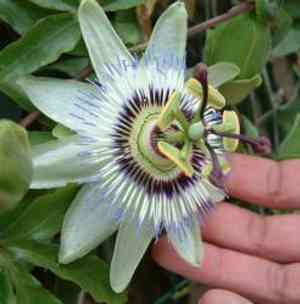
Passionflower flourishes when reproduced via cuttings, a technique that facilitates its swift expansion and maturation. Initiate the process by choosing a robust, non-blooming stem, severing it at a node to optimize root formation. The severed sections should be situated in a porous growing medium, ensuring consistent moisture and placement in a warm, diffused light setting to encourage root development. A rooting stimulant can elevate success rates, solidifying growth prior to relocation.
Optimal Time for Passionflower Propagation
Propagation Method
Cutting
Propagation Period
Spring,Summer
Essential Tools for Passionflower Propagation
Sharp Pruning Shears
Utilized for taking stem cuttings from passionflower, sharp pruning shears ensure a clean and precise cut, minimizing harm to the parent plant and enhancing the likelihood of successful rooting in the cuttings. Their sharpness facilitates quick, non-fraying cuts that promote faster healing of cut wounds.
Rooting Hormone
Applied to the base of passionflower stem cuttings, rooting hormone accelerates root development and boosts the probability of propagation success. This compound stimulates root cell formation and aids in better establishment, which is vital for a plant like passionflower that might otherwise take longer to root.
Sterile Potting Mix
Offers a clean and regulated environment for passionflower cuttings to root. The sterile nature of the mix prevents the presence of diseases and pests that could harm the cuttings before they become established. This is particularly important for passionflower, ensuring the young plants have the healthiest start possible.
Propagation Trays
Used to arrange and maintain passionflower cuttings during their initial growth phases. Propagation trays assist in retaining moisture around the cuttings, which is crucial for the rooting process. These trays also simplify managing multiple cuttings in a confined area.
Heat Mats
Positioned beneath propagation trays, heat mats help maintain an ideal temperature range, which is critical for the root development of passionflower. This is especially beneficial in cooler climates or during less sunny periods when ambient temperatures might not be suitable for propagation.
Propagating Passionflower Guide
Propagation Difficulty
Moderately Difficult
Caring for Your Newly Propagated Passionflower
Caring for Your Newly Propagated Passionflower
Once roots are established, gradually acclimatize passionflower to less humid conditions by removing the plastic cover over a week. Move passionflower to its permanent spot where it can receive partial to full sunlight. Consistent watering should be maintained, allowing the soil to dry slightly between waterings. Fertilize with a balanced, water-soluble fertilizer every 2-4 weeks during the growing season. Monitor for pests and diseases and manage them as needed to maintain the health of passionflower.
Common Errors to Avoid When Propagating Passionflower
Over-watering
Excessive watering can lead to root rot and fungal diseases for passionflower. This is particularly damaging as passionflower requires well-drained soil to flourish.
Using inappropriate soil mix
Employing a heavy or non-porous soil mix can impede root growth and water drainage, crucial aspects for the well-being of passionflower.
Neglecting humidity requirements
Passionflower thrives in a humid environment. Failing to provide adequate humidity can result in poor growth and propagation failure.
Advice for Propagating Passionflower
Use healthy parent plant
Ensure the parent plant is healthy and free from disease. This increases the chances of successful propagation and vigorous growth of passionflower.
Appropriate cutting length
Cuttings should be approximately 4-6 inches long with several nodes. Nodes are vital as these are the points from which roots will emerge.
Use a rooting hormone
Applying a rooting hormone to the cut ends can significantly enhance the rooting success rate by promoting faster and healthier root development.
Provide indirect light
Place passionflower in a location with bright, indirect light. Direct sunlight can be too intense and cause harm to young plants.
Maintain ambient humidity
Maintain ambient humidity by misting the plants regularly or using a humidity tray. This mimics passionflower's natural humid environment and aids in successful propagation.



