How to Prune Panicum gymnocarpon?
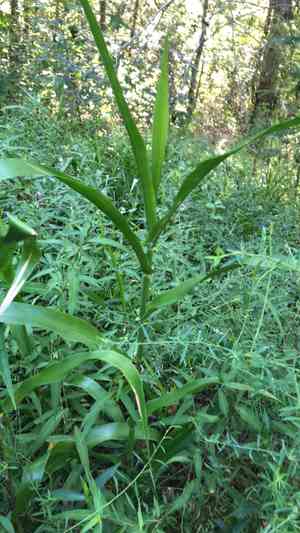
The ideal period for trimming Panicum gymnocarpon is during early spring or the winter season. To preserve its form and stimulate robust development, eliminate any deceased or compromised stalks, and reduce density in congested zones to enhance airflow. Gentle trimming can aid in boosting seasonal flowering, whereas more substantial pruning revitalizes mature specimens. Always employ sanitized, keen implements to execute accurate cuts directly above a bud or foliar node. Consistent pruning improves the plant's general well-being and fosters lively, energetic growth in Panicum gymnocarpon.
What Are the Benefits of Pruning Panicum Gymnocarpon?
What Are the Benefits of Pruning Panicum Gymnocarpon?
Trimming panicum gymnocarpon encourages robust development, maintains its form, and prevents excessive density. It boosts overall plant vitality by improving air flow and light penetration, thereby lowering the chance of pests and illnesses. Regular trimming helps panicum gymnocarpon thrive and appear visually appealing.
What Is the Best Time for Pruning Panicum Gymnocarpon?
What Is the Best Time for Pruning Panicum Gymnocarpon?
Trimming or cutting panicum gymnocarpon in early spring or winter is ideal primarily due to the plant's growth cycle and dormant period. Pruning at these times supports healthy regeneration and minimizes plant stress. Early spring pruning allows panicum gymnocarpon to recover quickly and promotes strong growth as the plant enters its active season. Winter pruning takes advantage of the plant's inactive state, reducing disease and pest risk while maintaining plant health. Additionally, these seasons ensure that pruning does not interfere with blooming or fruiting, preserving panicum gymnocarpon's ornamental and functional aspects.
What Tools Do I Need to Prune Panicum Gymnocarpon?
Hand Pruners
Perfect for delicate trimming and removing small, individual stems or leaves without harming the rest of the plant.
Bypass Loppers
Useful for cutting through thicker stems that hand pruners can't handle, offering greater leverage and cutting power.
Pruning Shears
Best for shaping and maintaining the plant's overall form, allowing for more precise cuts on medium-sized branches.
Pruning Saw
Essential for cutting through very thick stems or branches that cannot be managed by loppers or shears.
How to Prune Panicum Gymnocarpon
Inspection
Start by thoroughly examining panicum gymnocarpon to identify diseased and withered leaves. This helps you focus on areas needing immediate attention.
Tool preparation
Clean and sanitize your pruning tools. This step is vital to prevent disease spread and ensure clean cuts.
Cutting diseased leaves
Carefully remove any diseased leaves at their base, near the main stem. Make sure to dispose of these leaves away from the plant to prevent contamination.
Removing withered leaves
Trim the withered leaves by cutting them off just above the next healthy leaf node or base. This encourages new growth and maintains the plant's appearance.
Disposal and cleanup
Properly dispose of all removed leaves and clean your tools again. Ensure the pruned area is free of debris to minimize disease risks.
Common Pruning Mistakes with Panicum Gymnocarpon
Improper Tools
Using dull or unsuitable pruning tools can damage the plant's stems and create entry points for disease.
Over-Pruning
Removing too much foliage at once can stress the plant, reducing its vigor and potentially hindering growth.
Pruning at Incorrect Angles
Cutting stems at improper angles can lead to water accumulation on the cut surface, increasing the risk of rot.
Ignoring Plant Structure
Failing to understand the natural growth pattern can result in a misshapen plant that doesn't develop optimally.
Pruning During Wet Conditions
Wet conditions can spread diseases more easily, so pruning during or after rainfall should be avoided.
Common Pruning Tips for Panicum Gymnocarpon
Use Sharp, Clean Tools
Always use sharp, sterilized tools to make clean cuts that heal quickly and reduce the risk of infection.
Prune Strategically
Focus on removing dead, diseased, or damaged stems first, followed by thinning out overcrowded areas to improve air circulation.
Make Angled Cuts
Ensure cuts are made at an angle to allow water to run off, reducing the likelihood of rot.
Understand Growth Habits
Study panicum gymnocarpon's natural growth pattern and prune in a way that maintains its natural shape and encourages healthy new growth.
Prune Gradually
If significant pruning is necessary, carry it out in stages rather than all at once to avoid shocking the plant.



