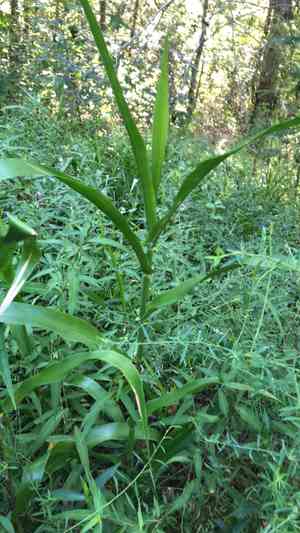
Panicum gymnocarpon (Panicum gymnocarpon)
Also known as: None
Panicum gymnocarpon is a perennial grass that thrives in arid and semi-arid regions, often in sandy or rocky soils. It is well-suited to environments with low rainfall and high temperatures. The grass features narrow, flat leaves and small, open seed heads, which aid in efficient seed dispersal. Its unadorned fruits are a testament to its simple yet resilient nature in challenging landscapes.
In This Article
Attributes of Panicum gymnocarpon
Lifespan
Perennial
Plant Type
Grass
Plant Height
0.2 m to 1 m
Spread
Typically not specified
Leaf Color
Green
Flower Size
Small, typically 2-4 mm
Flower Color
Green to purplish
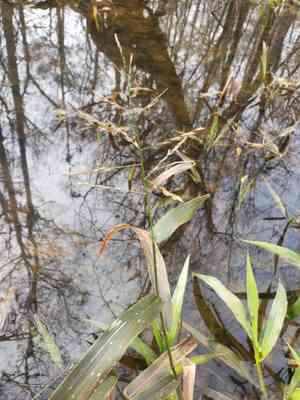
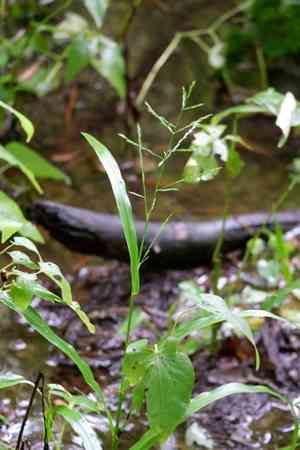
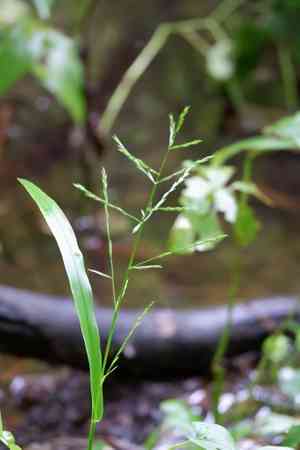
Images of Panicum gymnocarpon
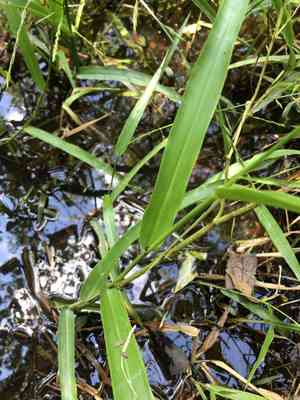
Quickly Identify Panicum gymnocarpon
1
Identify Panicum gymnocarpon by its slender stems, narrow leaves, and distinctive flower spikes that bear small, rounded grains.
Scientific Classification of Panicum gymnocarpon
Phylum
Vascular plants
Class
Monocotyledons
Order
Poales
Family
Grass
Genus
Panicgrasses
Species
Panicum gymnocarpon
Planting and Growing of Panicum gymnocarpon
Care Difficulty
Easy
Watering Schedule
Every 2 days
Sunlight Requirements
Full sun
Sunshine Duration
4-8 hours
Ideal Temperature
60-75℉
Soil Type
Potting Mix, Peat Mix
Soil pH
6.5-7.5
Fertilizer Type
Balanced
Pruning Season
Spring, Summer
Pruning Area
Branches, Leaves
Pruning Frequency
2 times a year
Repotting Season
Spring
Pot Type
Plastic, Ceramic
 How to Water Panicum gymnocarpon?
Panicum gymnocarpon requires about 250 ml of water each session. The plant prefers its soil to be moderately moist but not waterlogged. This ensures that the roots are sufficiently hydrated without causing root rot. You should aim to water until you see some excess water draining out of the bottom of the pot, indicating the soil has absorbed enough moisture.
What are the symptoms of an underwatered Panicum gymnocarpon?
›
What should I do if my Panicum gymnocarpon is not getting enough water?
›
What are the symptoms of an overwatered Panicum gymnocarpon?
›
How to save an overwatered Panicum gymnocarpon?
›
 What Are the Sunlight Requirements for Panicum gymnocarpon?
Panicum gymnocarpon thrives in full to partial sun. Ideal lighting promotes lush, healthy growth, enables efficient photosynthesis, and enhances bright foliage colors. Proper light ensures the plant remains vigorous and disease-resistant.
Optimal Growth
›
Maximizing Photosynthesis
›
Preventing Disease
›
 What Is the Ideal Temperature Range for Panicum gymnocarpon?
The ideal temperature range for cultivating Panicum gymnocarpon is between 60°F and 75°F. Within this range, the plant experiences optimal growth rates and health. Temperatures below 60°F or above 75°F may lead to stress or inhibit growth. Maintaining a consistent temperature within this range is crucial for sustained plant vitality.
 What Soil is Best for Panicum gymnocarpon?
Panicum gymnocarpon thrives in well-drained soil, preventing root rot by allowing excess water to escape easily. This characteristic is essential for maintaining healthy root systems and promoting optimal growth conditions. A nutrient-rich soil supports vigorous growth of Panicum gymnocarpon, providing essential minerals and organic matter that fuels development and aids in the plant's overall health. Such nourishment is key for lush, vibrant foliage. Maintaining moderate moisture levels in the soil ensures Panicum gymnocarpon does not dry out or become waterlogged, which could stress the plant. This balance is crucial for sustaining its resilience and vitality.
 How to Fertilize Panicum gymnocarpon?
For Panicum gymnocarpon, use a balanced 10-10-10 NPK fertilizer. For liquid fertilizers, apply a solution at one-quarter strength, ensuring the nutrients are not too concentrated for the plant.
 How to Prune Panicum gymnocarpon?
Start by inspecting the plant for dead or unhealthy stems. Make clean cuts at a 45-degree angle just above a node or bud. This encourages new growth. Avoid removing more than a third of the plant at once to prevent shock. After pruning, water the plant thoroughly to help it recover. Apply a balanced fertilizer to support new growth if needed. Monitor the plant over the following weeks to ensure it shows signs of healthy regeneration.
More About Pruning Techniques→
 How to Propagate Panicum gymnocarpon plant?
1
Begin by preparing well-drained, fertile soil for seed propagation. For division, identify healthy parent plants and gently prepare the surrounding soil to ease division.
2
Seeds should be sown approximately 0.5 cm deep in prepared soil. Ensure even spacing to prevent overcrowding and provide optimal growth conditions during early stages.
3
Carefully divide the clumps of the parent plant using a sharp, clean tool. Ensure each divided section has sufficient roots for successful regrowth.
 How to Repot Panicum gymnocarpon plant?
1
Panicum gymnocarpon requires repotting when you notice signs of overcrowding roots, such as roots growing out of the pot's drainage holes or reduced growth rate. The ideal time to repot is during its active growing season in spring or early summer when the plant can recover quickly from the shock.
2
Select a pot that is one size larger than the current one, ensuring it has adequate drainage holes. This allows the roots more space to grow and aids in preventing root rot, promoting a healthier plant overall.
3
Opt for a well-draining sandy soil mix that provides a balanced mixture of nutrients and excellent drainage. Such a soil type prevents waterlogging and ensures the roots receive enough aeration, crucial for the plant's vitality.
Learn More About Panicum gymnocarpon Diseases
Anthracnose
Bacterial Leaf Spot
Bacterial Soft Rot
Bacterial Wilt
Chemical Injury
Cyst Nematode
Damping-off
Downy Mildew
Drought Stress
Fusarium Wilt
Gray Mold
Leaf Spot
Mosaic
Nutrient Deficiency
Nutrient Toxicity
Powdery Mildew
Root Rot
Root-knot Nematode
Rusts
Sooty Mold
Spider Mites
Temperature Stress
Thrips Damage
White Mold



