How to Prune Black-seeded panic?
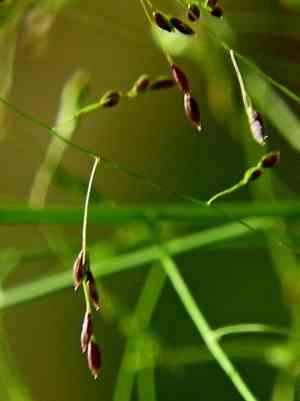
A robust grass recognized for its durability and dark seeds, black-seeded panic flourishes with little upkeep. Trim black-seeded panic in spring to eliminate withered leaves, in summer to stimulate new development, and in autumn to ready it for its dormant phase. Consistent cutting improves air movement and discourages unwanted insects. Employ sharp clippers to reduce the top third, fostering thicker foliage. Refrain from winter pruning to safeguard the root system. A timely cut boosts the plant's general health and visual attractiveness.
Advantages of Trimming Black-seeded Panic
Advantages of Trimming Black-seeded Panic
Trimming black-seeded panic promotes robust development and assists in maintaining its desired form, both crucial for the plant's visual appeal and well-being.
Optimal Timing for Trimming Black-seeded Panic
Optimal Timing for Trimming Black-seeded Panic
Trimming black-seeded panic in early spring stimulates vigorous new growth as the plant emerges from dormancy, aligning with its natural growth cycle. Late summer trimming aids in removing spent seed heads and revitalizes the plant for a burst of autumn growth. Early fall trimming ensures that any dead or damaged growth is eliminated before winter, fostering overall plant health and preventing disease spread. Trimming during these periods also avoids disrupting the late spring and summer flowering phase, ensuring that the natural life cycle and seed production are not negatively impacted.
Necessary Tools for Trimming Black-seeded Panic
Hand Pruners
Perfect for snipping slender stems and grass blades, hand pruners offer the precision and control needed for black-seeded panic's delicate structures without causing undue harm to the plant.
Grass Shears
For shaping and tidying the fine foliage of black-seeded panic, grass shears provide a quick and simple method for cutting without disrupting the plant's inherent growth pattern.
Pruning Saw
Should black-seeded panic develop thicker, woodier stems, a pruning saw might be necessary to selectively remove these sections without harming the rest of the plant.
How to Trim Black-seeded Panic
Sanitize tools
Before commencing the trimming process for black-seeded panic, cleanse and disinfect all trimming implements. This minimizes the risk of transmitting diseases or pests to black-seeded panic.
Identify withered parts
Examine black-seeded panic closely, and pinpoint the withered leaves that need removal. These are typically dry, brown, or visibly damaged leaves.
Cut withered leaves
Using the disinfected trimming shears, carefully snip the withered leaves at their base where they connect to the stem or the next healthy part of the leaf blade. Make clean and sharp cuts to prevent unnecessary injury to black-seeded panic.
Gather debris
Gently remove the cut withered leaves from black-seeded panic and clear any fallen debris around the plant's base to deter potential fungal growth or pest infestations.
Post-trimming care
After trimming, assess the overall health of black-seeded panic, and water it if required to ensure that black-seeded panic is stress-free and can recover efficiently from the trimming process.
Common Trimming Errors with Black-seeded Panic
Excessive trimming
Removing too much foliage from black-seeded panic, which can weaken the plant and diminish its vitality.
Incorrect cutting technique
Making jagged or torn cuts on black-seeded panic's stems, which can lead to disease and pest infestation.
Neglecting tool sanitation
Using unsanitized tools on black-seeded panic can spread pathogens from one plant to another, potentially causing illness.
Trimming without a strategy
Cutting black-seeded panic haphazardly without a clear objective can result in uneven growth and a less attractive shape.
Ignoring dead material removal
Failing to regularly remove dead or diseased materials, which can compromise the health and appearance of black-seeded panic.
Disregarding plant shape
Not considering the natural form of black-seeded panic when trimming, which may lead to a loss of its inherent shape and character.
General Trimming Advice for Black-seeded Panic
Sharp clean tools
Always trim black-seeded panic with sharp and sanitized cutting instruments to ensure clean cuts that heal quickly and reduce the risk of disease.
Consider plant health
Assess the health and structure of black-seeded panic before trimming to determine the extent of trimming required and to customize the approach accordingly.
Gradual trimming
Trim black-seeded panic gradually, removing no more than one-third of the total growth at a time to prevent shock and preserve the plant's integrity.
Cutting angle
Make angled cuts on black-seeded panic just above a bud or branching point to promote healthy new growth and prevent water accumulation on the cut surface.
Remove damaged material
Promptly remove dead, damaged, or diseased materials from black-seeded panic to maintain its health and prevent the spread of issues.
Follow natural growth pattern
When shaping black-seeded panic, adhere to its natural growth pattern to enhance its appearance while preserving its innate structure.



