The Black-seeded panic Plant Advantage: Maximizing Home and Office Appeal and Wellness
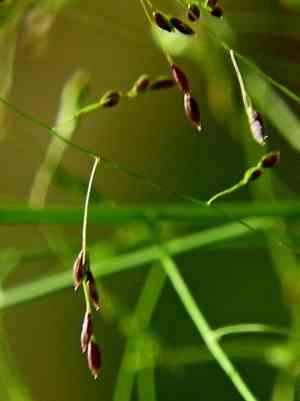
1
Black-seeded panicgrass excels at preventing soil loss because of its strong root network.
2
This particular plant variety demonstrates remarkable resilience in moist conditions.
3
Black-seeded panicgrass contributes significantly to regional ecosystems by offering shelter to various animals.
Why is Black-seeded panic Important for Soil Health?
Mitigating Soil Erosion
A key advantage of Black-seeded panic is its capacity to lessen soil erosion. This plant's extensive root network binds soil particles, effectively decreasing topsoil loss during heavy rainfall or floods. By preserving soil structure, Black-seeded panic ensures vital nutrients remain, fostering a healthier growth environment for other plants.
Enhancing Soil Structure
Black-seeded panic plays a crucial role in improving soil structure. The fibrous root system of this plant creates pathways in the soil, which boost aeration and water penetration. This structural improvement leads to better root development for nearby plants, thereby cultivating a more robust and resilient ecosystem.
How Does Black-seeded panic Adapt to Wet Environments?
Thriving in Moisture-Rich Areas
Black-seeded panic is uniquely suited to flourish in damp areas, making it an excellent choice for gardens with poor drainage or wetlands. It can withstand waterlogged conditions that would typically impede the growth of other plant species. This adaptability not only makes Black-seeded panic a dependable option for challenging landscapes but also aids in water conservation efforts.
Supporting Wetland Restoration
The adaptability of Black-seeded panic to wet conditions significantly contributes to wetland restoration projects. By planting Black-seeded panic, conservationists can stabilize wetland soil, promoting the establishment of other native vegetation. This restoration process is essential for maintaining the health and biodiversity of wetland ecosystems.
What Role Does Black-seeded panic Play in Biodiversity?
Providing Habitat for Wildlife
One of the less discussed but equally important benefits of Black-seeded panic is its role in offering habitat for wildlife. Its dense foliage provides shelter and breeding grounds for various insects, birds, and small mammals. By integrating Black-seeded panic into your garden or restoration project, you can actively support local wildlife populations.
Fostering Plant Diversity
Black-seeded panic also contributes to plant diversity by creating microhabitats favorable for the growth of other species. Its presence can facilitate the colonization of native plants, thereby enhancing the overall diversity and resilience of the ecosystem. This diversity is crucial for the stability and sustainability of both natural and managed landscapes.
Can Black-seeded panic Enhance Aesthetic Value and Garden Design?
Incorporating Black-seeded panic in Landscape Design
Beyond its ecological benefits, Black-seeded panic can significantly boost the aesthetic appeal of your garden. Its graceful, arching stems and lush green foliage provide a visually pleasing backdrop that complements a wide range of garden styles. Whether used as a ground cover or integrated into mixed borders, Black-seeded panic adds both texture and movement to garden compositions.
Low Maintenance Requirements
Another appealing aspect of Black-seeded panic is its minimal maintenance needs. Once established, this plant species requires little care, making it an excellent choice for gardeners seeking to create sustainable and easy-to-manage landscapes. Its ability to thrive with minimal intervention ensures long-term beauty and functionality without demanding constant attention.
How Does Black-seeded panic Benefit Agricultural Practices?
Improving Crop Yields
Black-seeded panic can play a supportive role in agricultural practices by improving soil conditions, thereby enhancing crop yields. Its presence in agricultural landscapes helps in maintaining soil moisture levels and reducing soil compaction, which are critical factors for healthy crop production.
Promoting Sustainable Farming
Incorporating Black-seeded panic into agricultural systems aligns with sustainable farming practices. By reducing the need for chemical inputs and enhancing natural soil fertility, Black-seeded panic supports eco-friendly farming that benefits both the environment and farmers. This approach fosters a more harmonious relationship between agriculture and nature.



