How to Prune Chinese ginseng?
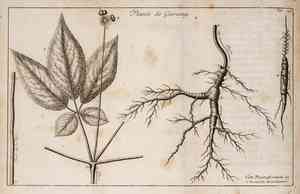
Celebrated for its therapeutic roots, chinese ginseng needs only light trimming to eliminate deceased or discolored foliage and sculpt its form. Perform pruning in early spring prior to new shoots emerging, or during summer to reduce dense sections for improved airflow. Strategic pruning deters ailments and can foster root expansion. Make sure cuts are precise to prevent harm, thereby bolstering the well-being and robustness of chinese ginseng.
What Are the Benefits of Pruning Chinese Ginseng?
What Are the Benefits of Pruning Chinese Ginseng?
Trimming chinese ginseng promotes a stronger root system, leading to robust development. Strategic cutting helps maintain an attractive form, ensuring chinese ginseng stays compact and well-defined.
What Is the Best Time for Pruning Chinese Ginseng?
What Is the Best Time for Pruning Chinese Ginseng?
Pruning or trimming chinese ginseng during late spring to early summer aligns with the plant's post-dormancy period when new growth begins. This is after any risk of frost has passed, reducing the chance of damage to new shoots. Additionally, pruning at this time allows chinese ginseng's active growth season to repair any cuts and encourages a more robust root system before entering the dormant winter season. It ensures that chinese ginseng can recover quickly and divert energy to developing the vital parts for ginseng's valued root growth. Avoid pruning during fall as this can interfere with the natural dormancy process and reduce chinese ginseng's vitality.
What Tools Do I Need to Prune Chinese Ginseng?
Bypass Pruners
Ideal for making clean cuts on chinese ginseng's smaller stems, as they create a clean cut that promotes healthy regrowth.
Pruning Shears
Effective for shaping chinese ginseng and trimming away any unwanted or dead foliage, without harming the main structures of the plant.
Gardening Gloves
Protects hands from scratches and provides a better grip on tools when tending to chinese ginseng.
Rubbing Alcohol or Bleach Solution
Used to sterilize pruning tools before and after use to prevent the spread of diseases to or from chinese ginseng.
How to Prune Chinese Ginseng
Disinfect tools
Before starting the pruning process, disinfect all cutting tools to prevent the spread of disease. Use a solution of one part bleach to nine parts water or rubbing alcohol to sterilize the tools.
Identify
Examine chinese ginseng thoroughly to identify the diseased leaves, withered leaves, and diseased stems that require removal. Look for leaves and stems that show signs of discoloration, spots, or decay.
Prune diseased leaves
Carefully remove diseased leaves by cutting them at their base, close to the stem, using sharp scissors or pruning shears. Avoid tearing to prevent any unnecessary damage to chinese ginseng.
Prune withered leaves
Prune any withered leaves, which are dry and brown. Gently cut them away from the stem of chinese ginseng to maintain its health and aesthetic appeal.
Prune diseased stems
If you find diseased stems on chinese ginseng, cut them back to healthy tissue. Make the cut just above a leaf node or bud to encourage new growth. Dispose of all diseased plant material immediately and sanitize your tools after finishing.
Common Pruning Mistakes with Chinese Ginseng
Overpruning
Removing too much growth from chinese ginseng at once can stress the plant, hinder root development, and reduce vigor.
Improper Tool Selection
Using dull or dirty tools can cause damage and disease to chinese ginseng, impeding healthy regrowth.
Neglecting Plant Structure
Chinese ginseng has a unique growth pattern; failing to recognize and follow its natural structure when pruning can lead to poor growth and plant shape.
Ignoring Health Checks
Not inspecting chinese ginseng for signs of pests and diseases before pruning can result in the further spread of afflictions.
Pruning Blindly
Lack of understanding of chinese ginseng's growth cycle can lead to cutting back the plant at the wrong time, affecting its ability to rejuvenate.
Uneven Cuts
Making jagged or slanted cuts on chinese ginseng can prevent proper healing and open up avenues for infection.
Excessive Thinning
While thinning chinese ginseng can be beneficial, excessive thinning may compromise the plant's energy reserves and its ability to produce ginsenosides.
Common Pruning Tips for Chinese Ginseng
Sharp Tools
Use sterilized, sharp pruning shears for clean cuts that heal quickly, minimizing stress on chinese ginseng.
Gentle Approach
Prune sparingly, as chinese ginseng does not require heavy pruning; focus on removing only dead or diseased foliage to promote health.
Follow Natural Shape
Understand the natural architecture of chinese ginseng and prune accordingly to maintain its structure and support its growth habit.
Clean Cuts
Make cuts at a slight angle away from buds or branches to avoid water accumulation on the cut surface and foster rapid healing.
Aftercare
Post-pruning, ensure to water chinese ginseng adequately and consider a balanced fertilizer to aid in recovery and stimulate healthy new growth.
Health Inspection
Regularly check chinese ginseng for any signs of pests or diseases before and after pruning, taking action to address any issues promptly.



