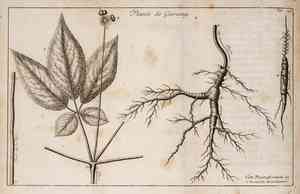
Chinese ginseng(Panax ginseng)

Chinese ginseng (Panax ginseng)

Also known as: Asian ginseng, Asiatic ginseng

Chinese ginseng (Panax ginseng) is a highly prized plant known for its medicinal properties and is often cultivated for commercial purposes. It thrives in cool, shaded environments that mimic its native habitat in China. For optimal growth, the soil should be well-drained, loamy, and rich in organic material, with a pH between 5.5 and 6.5. A shady location with 70-90% shade, such as under a forest canopy, is ideal.

When planting by seed, the best time is in the fall, from late September to early November, to allow natural stratification over the winter. This cold period is essential for breaking seed dormancy, enabling spring germination. It typically takes 3 to 6 years for the roots to mature enough for harvesting.

In summary:
- Environment: Cool, shaded areas
- Soil: Well-drained, loamy, organic-rich, pH 5.5-6.5
- Shade: 70-90%
- Planting time: Fall (late September to early November)
- Germination: Requires winter stratification
- Maturity: 3 to 6 years for harvestable roots

Attributes of Chinese ginseng

Lifespan
Perennial
Plant Type
Herb
Plant Height
60 cm
Spread
N/A
Leaf Color
Green
Flower Size
3-4 mm
Flower Color
White

ForwardPlant - Identify plants with a snap

Identify and diagnose plants, get toxicity alerts, and explore safety guides for all types of fungi.

Try for Free

Images of Chinese ginseng

Chinese ginseng(Panax ginseng)

Quickly Identify Chinese ginseng

1
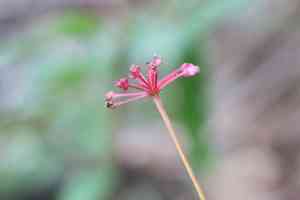
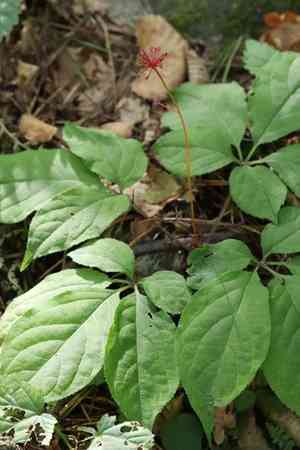
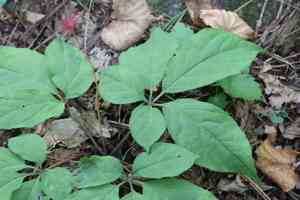
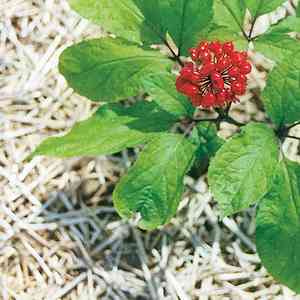
Panax ginseng can be identified by its leafy stem with 3 to 5 leaves arranged in a whorl. The leaves are palmately compound with serrated edges. The plant produces small, greenish-yellow flowers and red berries. The mature root, often resembling a human figure, is also a key identifying feature.

Scientific Classification of Chinese ginseng

Phylum
Vascular plants
Class
Dicotyledons
Order
Carrots, ivies and allies
Family
Ivy
Genus
Ginseng
Species
Chinese ginseng

Planting and Growing of Chinese ginseng

Care Difficulty
Hard
Watering Schedule
Every 4 days
Sunlight Requirements
Partial sun
Sunshine Duration
4-6 hours
Ideal Temperature
60-75℉
Soil Type
Potting Mix, Peat Mix
Soil pH
6-6.5
Fertilizer Type
Balanced
Pruning Season
Spring, Summer
Pruning Area
Branches, Leaves
Pruning Frequency
2 times a year
Repotting Season
Spring
Pot Type
Plastic, Ceramic

water icon How to Water Chinese ginseng?

Water Panax ginseng with about 500 milliliters per session. Ensure soil is damp but not waterlogged; excess water can cause root rot. Check the top inch of soil; if dry, it's time to water.
What are the symptoms of an underwatered Chinese ginseng?
What should I do if my Chinese ginseng is not getting enough water?
What are the symptoms of an overwatered Chinese ginseng?
How to save an overwatered Chinese ginseng?

sunlight icon What Are the Sunlight Requirements for Chinese ginseng?

Sunlight Requirements: Partial sun, Full shade
Duration of light: 3 to 6 hours daily
Panax ginseng thrives best in partial sun to full shade. Adequate filtered light improves leaf growth and supports root development, maximizing the plant's medicinal strengths.
What is the best light condition for Panax ginseng?
How can I achieve ideal lighting for Panax ginseng?
What are the benefits of providing optimal light to Panax ginseng?
More About Sunlight Requirements Techniques

temperature icon What Is the Ideal Temperature Range for Chinese ginseng?

Ideal Temperature: 60 ~ 75℉
The ideal temperature range for cultivating Panax ginseng is between 60°F to 75°F. This range ensures optimal photosynthesis and metabolic activities. Maintaining temperatures within this range provides the necessary environmental conditions that resemble their natural habitat, which is crucial for their root development and overall health.

soil icon What Soil is Best for Chinese ginseng?

Soil type: Loam, Sandy loam, Acidic soil
Soil PH: 6 ~ 6.5
Panax ginseng thrives in nutrient-rich soil, which provides essential minerals and organic matter crucial for robust growth and vitality. Ensuring the soil is well-fertilized promotes healthy root development and boosts the plant's immune system against diseases. The soil must retain moisture to keep the roots hydrated yet drain adequately to prevent waterlogging. This balance ensures the plant absorbs necessary water without the risk of root rot, which can severely impact health. Soil rich in organic matter supports beneficial microbial activity, enhancing nutrient availability. This boosts ginseng growth and development while maintaining soil health long-term, preventing nutrient depletion.

fertilize icon How to Fertilize Chinese ginseng?

Fertilizer type: Balanced
Panax ginseng requires careful attention to fertilizer amounts. Generally, a balanced fertilizer with equal proportions of nitrogen, phosphorus, and potassium is recommended. Typically, about 0.5 ounces of liquid fertilizer per gallon of water is suitable during the growing season. For slow-release fertilizers, around 1-1.5 pounds per 100 square feet annually provides sufficient nutrients. However, adjustments may be needed based on soil testing and growth conditions.

prune icon How to Prune Chinese ginseng?

Pruning Time: Spring, Summer
Begin with clean, sharp pruning shears to ensure precise cuts and prevent damage to the plant. Remove any dead or yellowing leaves to improve air circulation around the plant, reducing the risk of disease and promoting healthy growth. Focus on trimming any weak or thin stems that might be competing for resources. Cut these stems close to the base, making sure to maintain the plant’s natural shape. This encourages the Panax ginseng to allocate nutrients effectively and boosts vigorous growth. After pruning, consider applying a balanced, organic fertilizer to support the plant's recovery and stimulate new growth. Ensure consistent watering, especially if pruning is done in warmer months, to keep the plant hydrated. More About Pruning Techniques

propagate icon How to Propagate Chinese ginseng plant?

Propagate Time: Early spring,Late autumn
1
To simulate natural conditions, ginseng seeds require stratification. Place seeds in a moist medium and refrigerate for a period of 12-18 months to break dormancy.
2
Once stratified, sow seeds in a prepared seed tray filled with a rich, well-draining soil. Cover seeds lightly and maintain moisture to assist germination in early spring.
3
Once seedlings have developed several true leaves, they can be carefully transplanted into a shaded garden bed. Ensure the soil is loose and humus-rich for healthy growth.

repot icon How to Repot Chinese ginseng plant?

Repotting frequency: Every 2-3 years
1
You should consider repotting your Panax ginseng when you notice roots circling the pot's perimeter or growing out of the drainage holes. Another sign it's time for a new pot is if the soil is not drying out as it used to or if the plant seems to be growing slowly despite optimal conditions. Spring is the ideal time to repot, as the plant is about to enter its active growth phase, allowing it to recover quickly from the repotting process.
2
Selecting a pot for Panax ginseng involves ensuring it has good drainage and is slightly larger than the old one, giving room for root expansion without overwhelming the plant. A pot that is 1-2 inches larger in diameter is usually ideal. This ensures the plant isn't over-potted, which can lead to slow growth and water retention issues, helping maintain stable environmental conditions for optimal root health.
3
The perfect soil for Panax ginseng should be well-draining yet capable of retaining some moisture. Opt for a mix that includes peat moss, perlite, and pine bark to maintain slight acidity and prevent waterlogging. This ensures roots have access to air, promoting healthy growth, and reduces the risk of root rot, a common issue in overly moist conditions.

ForwardPlant - Identify plants with a snap

Find the best spots for them to optimize their health, simply using your phone.

Try for Free