How to Prune Shrubby daisybush?
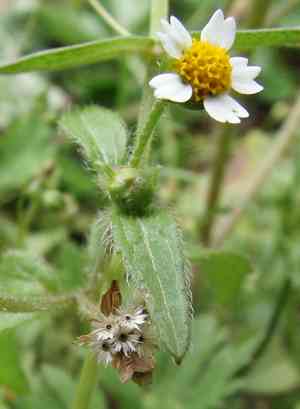
Originating from South Africa, this perennial evergreen is celebrated for its vivid, daisy-like blossoms and fleshy foliage. For shrubby daisybush, consistent removal of spent blooms encourages ongoing flowering and inhibits self-propagation. Trim elongated stems in late winter to preserve its form and foster a denser growth habit. Trimming can occur throughout the year, primarily targeting withered flowers and compromised stems. Pruning aids shrubby daisybush by revitalizing development, guaranteeing a dense structure, and boosting floral output.
What Are the Benefits of Pruning Shrubby Daisybush?
What Are the Benefits of Pruning Shrubby Daisybush?
Trimming shrubby daisybush promotes a denser, more compact form, enhancing flower production. It eliminates faded blooms, encouraging a second flush and vigorous development. Regular shaping helps maintain desired size and structure, crucial for aesthetics and plant vitality.
What Is the Best Time for Pruning Shrubby Daisybush?
What Is the Best Time for Pruning Shrubby Daisybush?
Pruning in late winter to early spring, just before shrubby daisybush's active growth period, maximizes its flowering potential and ensures a strong burst of development. This timing allows for the removal of frost-damaged or dead tissue from winter, preventing diseases and fostering new, healthy shoots that will produce flowers. Pruning after the initial spring blooms enables shrubby daisybush to set buds for the next season without stress.
What Tools Do I Need to Prune Shrubby Daisybush?
Bypass Pruners
Perfect for making clean cuts on the green stems and branches of shrubby daisybush, preventing harm to the plant's framework.
Gardening Shears
Suitable for trimming and shaping shrubby daisybush's foliage, ensuring a tidy look and promoting fresh growth.
Garden Gloves
Essential for protecting hands from thorns and rough stems while pruning shrubby daisybush.
Garden Waste Bag
Useful for collecting and disposing of trimmed material from shrubby daisybush for a clean work area.
Pruning Saw
Recommended for cutting through any older, woody stems of shrubby daisybush that may have developed, which are too thick for pruners.
How to Prune Shrubby Daisybush
Disinfect Tools
Sanitize all cutting implements with a bleach or alcohol solution to prevent disease spread during shrubby daisybush pruning.
Remove Diseased Parts
Cut off all diseased leaves and branches of shrubby daisybush at their origin to improve plant health and appearance, disposing of them properly to reduce infection risk.
Trim Dead Material
Remove dead branches and withered leaves from shrubby daisybush by cutting at the base or at the junction with healthy wood to promote better air circulation and light penetration.
Deadhead Flowers
Cut back faded flowers of shrubby daisybush to just above the first set of healthy leaves to encourage repeated blooming and redirect energy to new growth.
Shape Plant
Shape shrubby daisybush by selectively thinning out overcrowded branches, ensuring clean cuts to foster quick healing and maintain the desired form of the plant.
Common Pruning Mistakes with Shrubby Daisybush
Overzealous Pruning
Removing too much growth at once can shock shrubby daisybush, reducing its vitality and blooming potential. Aim for light, consistent pruning rather than heavy cuts.
Pruning Into Old Wood
Shrubby daisybush may not easily regenerate from old wood. Avoid cutting back plants into non-leafy, woody stems, as this can lead to poor regrowth.
Not Disinfecting Tools
Failing to sanitize tools before pruning can spread disease between plants. Always disinfect your tools before moving on to prune another shrubby daisybush or plant.
Ignoring Diseased Material
Not removing diseased or damaged material during pruning leaves shrubby daisybush vulnerable to pests and infections. Cut away any unhealthy portions to promote a healthy plant.
Uneven Cuts
Ragged or uneven cuts can hinder the healing process and open the door to pests or disease. Make clean, angled cuts for faster healing on shrubby daisybush.
Neglecting Deadheading
Forgetting to deadhead, or remove spent flowers, can result in shrubby daisybush investing energy into seed production rather than new growth and blooms.
Common Pruning Tips for Shrubby Daisybush
Consistent Light Pruning
Regularly pinch out the tips of shrubby daisybush during the active growth period to encourage bushiness and more prolific blooming.
Clean Cut Technique
Use sharp, clean pruning shears to make precise cuts, which aid in quicker recovery and lessen stress on shrubby daisybush.
Post-Bloom Pruning
Prune shrubby daisybush shortly after its blooming cycle to maintain shape and encourage the next seasonâs growth, focusing on removing spent blooms and any leggy growth.
Balance Shape And Health
Shape shrubby daisybush through pruning, aiming for a balanced appearance, but prioritize the removal of dead, damaged, or diseased stems.
Thin Out Center
Thin out the center of shrubby daisybush to improve air circulation, which can help prevent fungal diseases and promote a robust plant structure.
Encouraging New Flowers
Deadhead spent flowers to direct shrubby daisybush's energy back into producing new blooms and foliage rather than developing seeds.



